
Image credits: Pexels
Artificial intelligence is no longer confined to research labs or elite technology teams. It is now a widely accessible operational force, available to organizations of every size. As these systems move from experimentation to infrastructure, leadership is entering a new phase. The companies that endure will not be defined by scale, but by how quickly and intelligently their leaders adapt.
This shift is not merely technical. It is behavioral, cultural, and deeply human.
A Human Plus AI Model
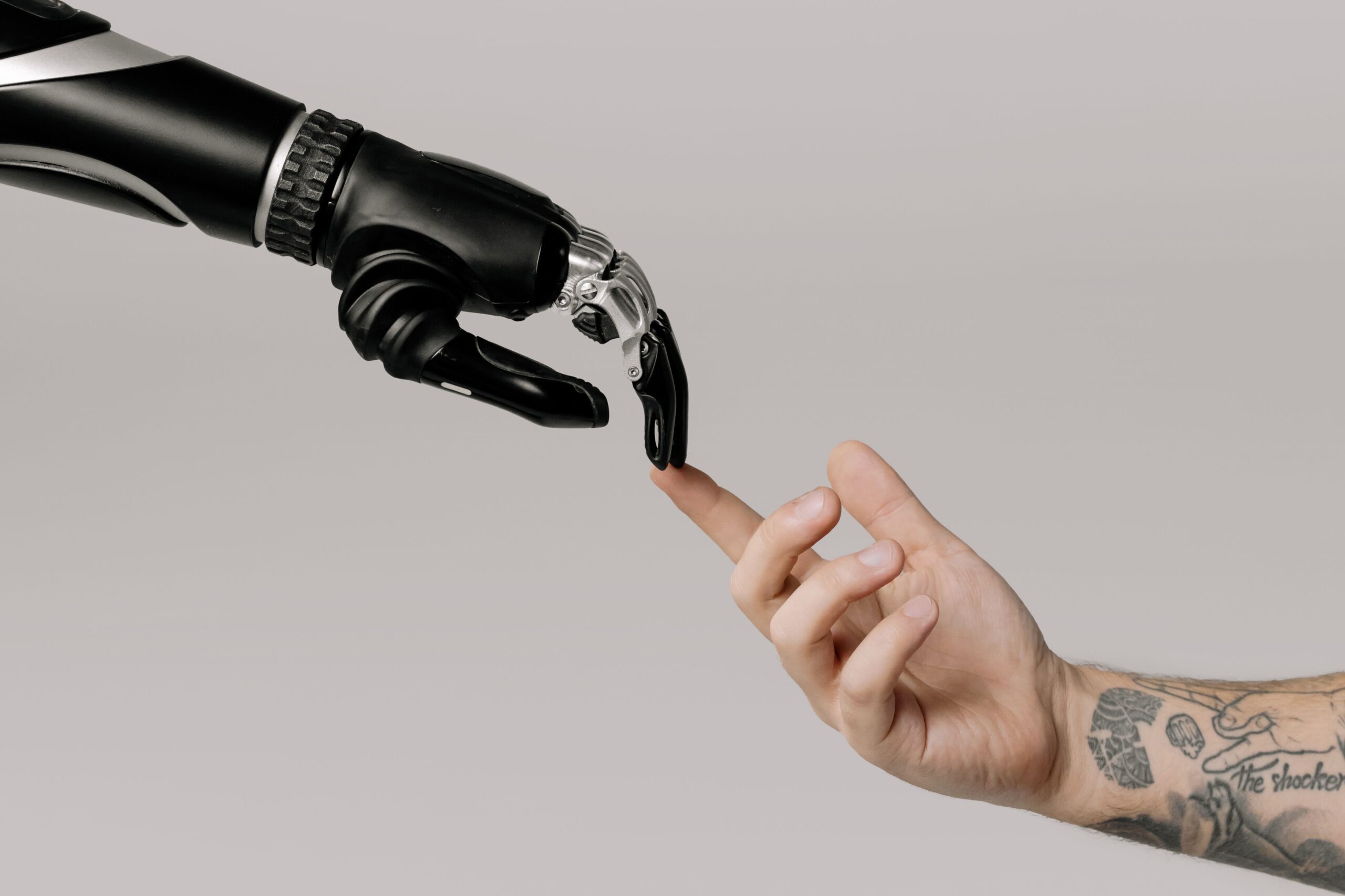
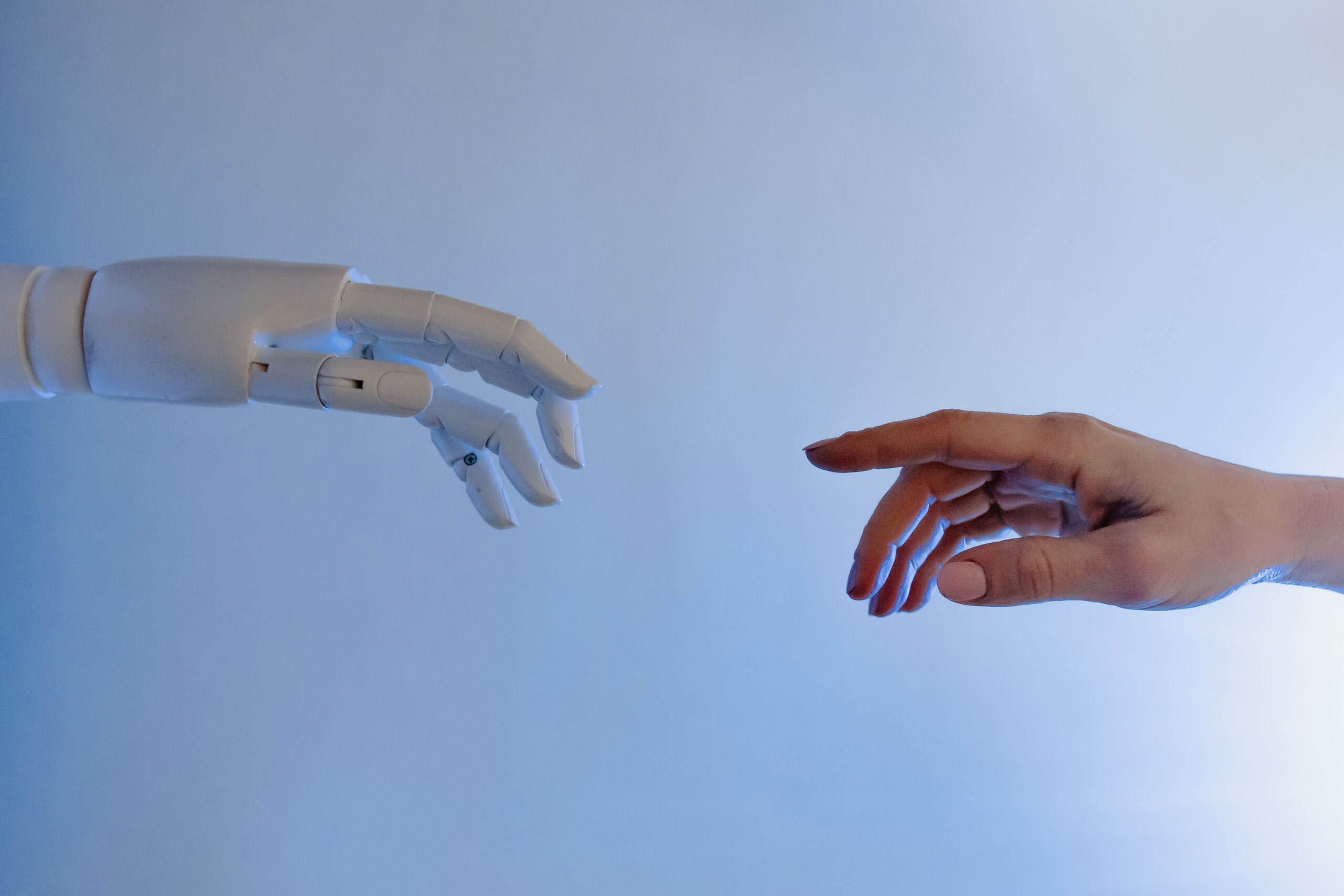
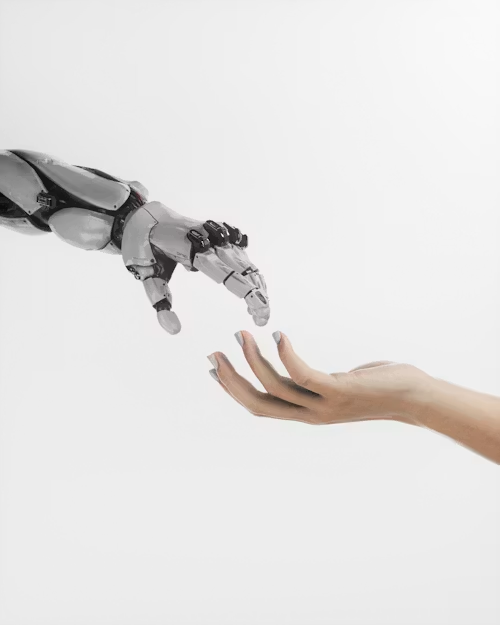
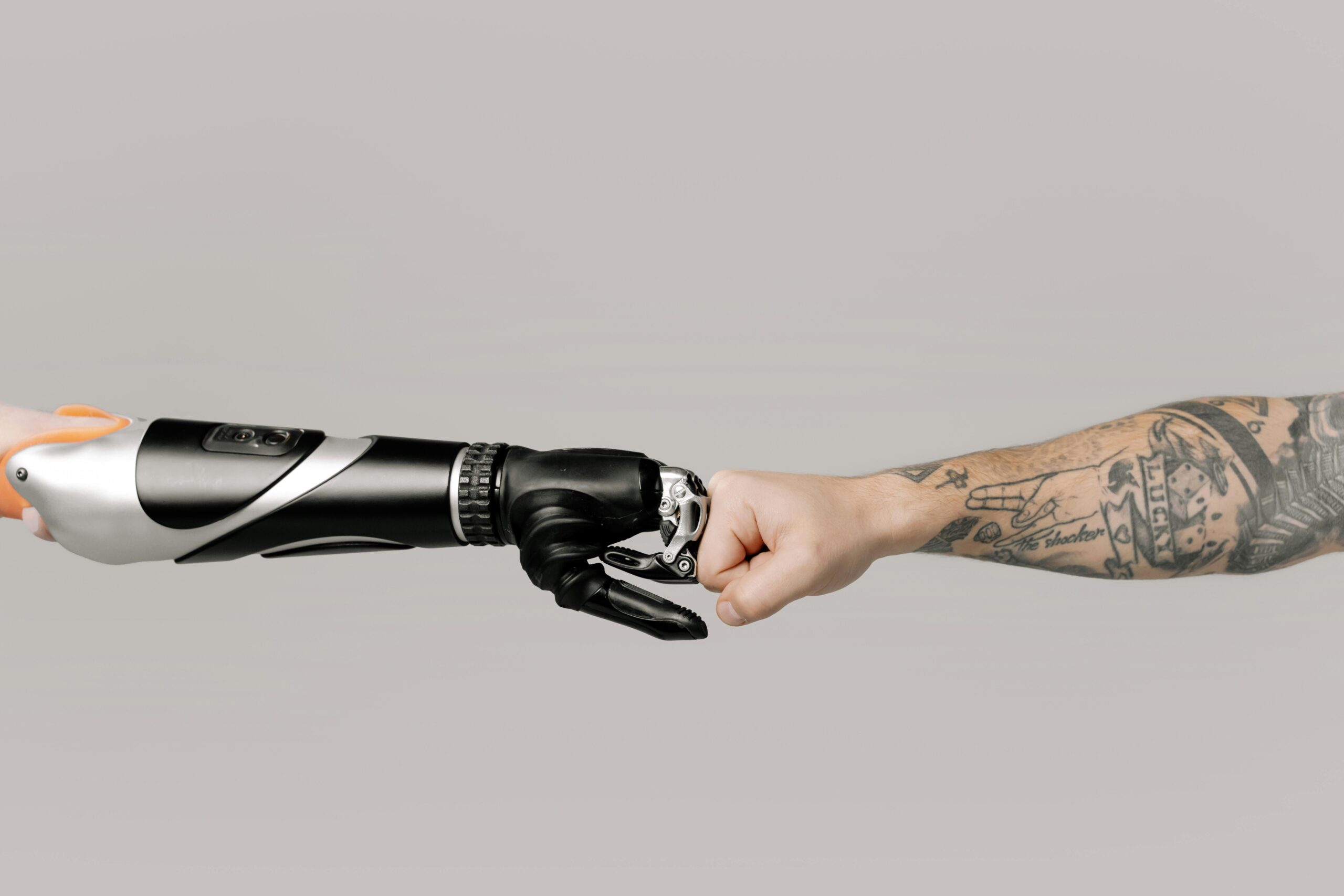
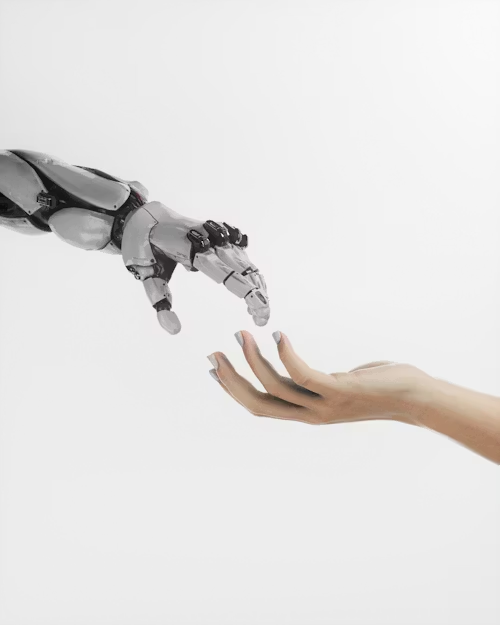
Just as the most effective leaders know how to rely on their teams, modern CEOs are learning to blend human judgment with artificial intelligence. Systems without human oversight struggle to create meaning or trust, while organizations that cling to traditional workflows risk being outpaced. The long-term model, increasingly, is neither fully automated nor purely human, but deliberately hybrid.
“Our business processes depend on people and AI,” said Jeremy Rodgers, founder of Contentifai. “Not one or the other, but both together.”
In practice, this means allowing AI to handle repetitive or data-heavy work such as SEO analysis, early drafts, and operational research, while humans remain responsible for interpretation, emotional intelligence, and direction. Rodgers emphasized that the real leadership challenge emerges after efficiency gains are achieved. When AI compresses production timelines, leaders must unlearn the idea that time spent equates to quality delivered.
“There was a moment where I caught myself thinking, why am I waiting a week to send this to the client?” Rodgers explained. “The work was already strong. The delay was just habit.”
As execution accelerates, strategy becomes the true differentiator. AI can help leaders see options faster, but it cannot decide what matters. That responsibility remains human.
Achieving Digital Fluency
Digital fluency is no longer optional for leadership. While past executives could delegate technical understanding, today’s CEOs are expected to engage directly with how technology reshapes decision-making, collaboration, and customer experience.
“CEOs are giving more importance to experience, which is multidimensional compared to process improvements,” said Anirvan Sen, CEO of Fifth Chrome. “That’s where the rubber meets the road from an innovation perspective.”
Sen noted that many organizations still approach AI as an optimization tool rather than a transformational one. Adding features or marginal efficiencies misses the deeper opportunity. The companies that gain an edge are those that rethink how customers, employees, and partners experience the business as a whole.
From Sen’s advisory work, a recurring misstep is treating AI as something that enhances existing workflows instead of questioning whether those workflows should exist at all. “The real test is whether AI has changed how the business runs. If leadership decisions look the same as before, then AI hasn’t really been adopted,” he said.
Digital fluency also includes understanding generational shifts. As Gen Z moves into management and executive roles, leadership styles rooted in hierarchy and static processes are becoming less effective. Experience-driven thinking, cross-functional alignment, and experimentation are increasingly central to how companies compete.
A Shift at Every Level of Leadership
The effects of AI are not confined to the CEO’s office. They cascade through every layer of leadership. Managers are now expected to oversee not only human teams, but also autonomous systems that execute work continuously.
At Ultimo, CEO Steven Elsham leads an organization that includes 402 human employees alongside 38 AI agents. Rather than treating these agents as tools, Elsham has integrated them into the company’s operating structure as a form of digital labor.
“The AI era demands leaders embrace a beginner’s mindset,” Elsham said. “Success now hinges on vision, communication, and a commitment to continuously accelerating change.”
Elsham stressed that AI adoption is not primarily about reducing headcount. Instead, it is about increasing velocity. By allowing AI systems to interpret data, surface insights, and act on them, organizations can make better decisions faster, without sacrificing quality.
This shift requires managers to develop entirely new skills. Leaders must decide when to hire humans, when to deploy digital labor, and how to blend the two effectively. Employees, meanwhile, are increasingly becoming managers of their own AI agents, directing systems that amplify their output rather than replace it.
Perhaps counterintuitively, Elsham has found that experienced professionals often adapt fastest. Once freed from manual bottlenecks, they are able to operate at a level previously constrained by time and attention. AI, in this sense, becomes an accelerant for expertise rather than a substitute for it.
Risk and Resilience in an AI-Powered Environment
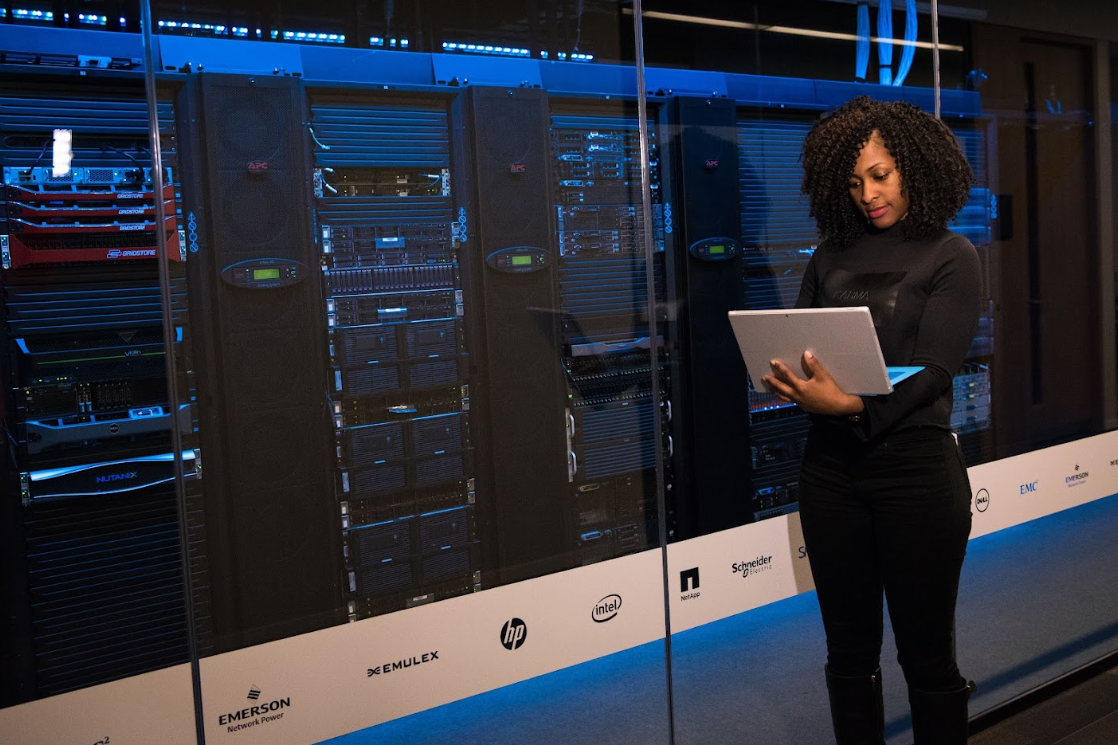
As AI systems become more autonomous, the question of trust grows more urgent. Automation can enhance performance, but it can also expose weaknesses in governance, security, and oversight.
TrustNet CISO Trevor Horwitz argues that trust, not speed or scale, is becoming the true currency of modern business. “You can strap a massive engine onto your organization, but without a steering wheel, you’re setting yourself up to fail,” he said.
Horwitz warned that many organizations have historically underinvested in cybersecurity and risk management, a gap that AI only widens. Autonomous systems can act faster than humans, but without proper controls, they can also amplify mistakes just as quickly.
A “human in the loop” remains essential, particularly as AI systems are still prone to hallucinations and unpredictable behavior. Horwitz pointed to recent legal and operational failures as evidence that unchecked automation carries real consequences.
“AI multiplies risk if leaders don’t understand it,” he said. “The responsibility of leadership now includes knowing where automation must stop.”
Resilience, in this context, is not about resisting AI, but about designing organizations that can recover when systems fail. Governance, education, and accountability are no longer support functions. They are central leadership responsibilities.
An AI Transformation Requires Change at All Levels
The CEOs who move fastest to adopt AI tools may gain an early advantage, but adoption alone is not enough. Without a human foundation, efficiency gains can hollow out culture, judgment, and trust. At the same time, leaders who view AI as a threat rather than a collaborator risk stagnation.
The next generation of CEOs will be defined less by technical mastery than by their ability to integrate technology with human insight. They will need to lead hybrid teams, redesign decision-making, and remain adaptable in an environment where the rules are still being written.
Those who strike that balance will not only keep pace with change. They will shape what leadership looks like in the years ahead.