
Image credit: Pexels.com
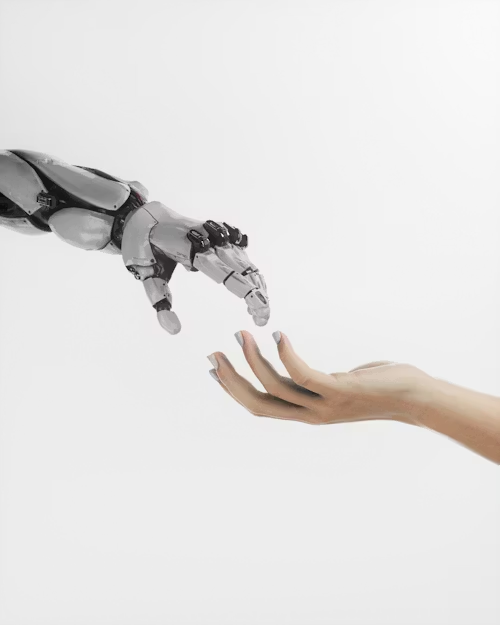
Flexible work has not evolved quietly. It has hardened into a baseline expectation for founders, executives, and knowledge workers alike. By 2026, remote teams, asynchronous collaboration, and distributed talent are operational defaults rather than experiments. Artificial intelligence has been the force that pushed work past the tipping point by compressing timelines, lowering coordination costs, and making small teams disproportionately powerful.
This acceleration has consequences. AI reduces the effort required to start work so dramatically that it also challenges the effort required to stop. When progress feels frictionless, attention stretches and boundaries weaken. Flexibility is no longer guaranteed by location or policy, and has become something leaders must actively design.
The founders navigating this shift most effectively are not chasing productivity for its own sake. They are redefining what productivity means, how presence shows up in modern work, and where human judgment still matters.
Output Over Presence: When One Founder Becomes a 12-Person Team
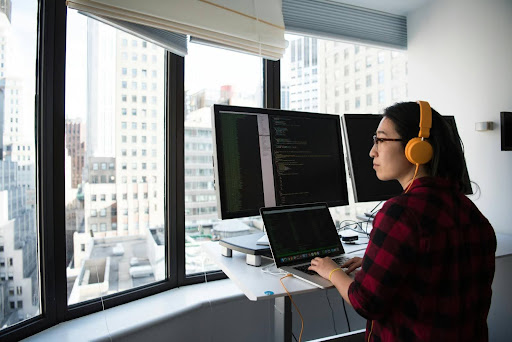
Ivan Bulut did not set out to make a statement about AI driven productivity. URLcut began as a practical experiment inspired by a technical article he read online. As the project evolved into a full SaaS platform, the real work revealed itself. Shipping software is rarely about the core feature, and usually involves security, payments, infrastructure, and decisions that hold up over time.
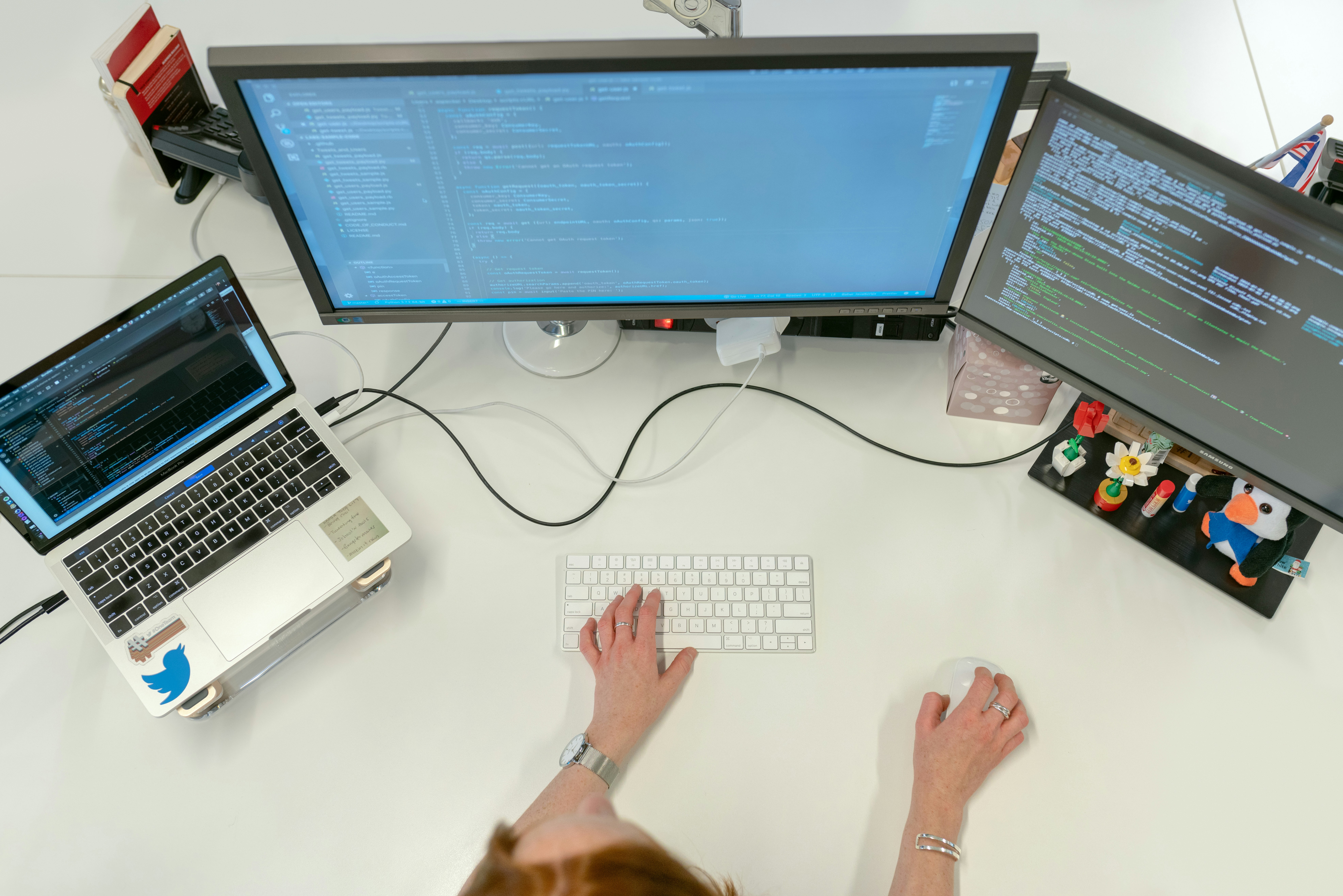
Traditionally, that scope would require a small engineering team working full time for a year. Bulut built it largely on his own. “With the help of AI, I managed to squeeze that time into a couple of weeks,” he said. Speed came from learning how to collaborate with AI rather than treating it as a shortcut.
Bulut describes his workflow as managing execution through AI while retaining control over judgment. AI handles implementation, testing, and pattern recognition. Human decision making governs tradeoffs, priorities, and quality. “You need to make educated decisions and compromises,” he explained. AI accelerates those decisions.
Trust plays a central role in this model. Bulut emphasizes that AI output must be verified through automated tests, structured reviews, and deliberate feedback loops. “It’s a game of trust,” he said, comparing AI to onboarding a new hire. Productivity gains only hold when systems are built to catch errors before they scale.
Now, there is a shift in how work is measured. Output becomes the unit of value rather than hours logged or visibility online. Productivity is tied to systems that consistently deliver results rather than presence on a schedule.
When Your Office Lives in a Backpack, Boundaries Blur
AI has untethered work from fixed locations and schedules. Ideas can be tested from a phone while waiting at a soccer practice. Problems can be solved late at night without opening a laptop. Work now follows the individual rather than the other way around.
That freedom introduces new risks. Bulut describes how problem solving can become an endless feedback loop of stimulation and small wins. “It gets out of hand really fast,” he admitted. Overwork is no longer driven by obligation alone, and is often driven by enjoyment and constant accessibility.
To counter this, Bulut deliberately designed constraints into his AI workflows. He defined what belonged in the MVP and what did not, then instructed his AI systems to enforce those limits. When he drifted toward unnecessary features, the system redirected him back to launch priorities. AI became a tool for restraint as much as acceleration.
This approach highlights a broader shift in flexible work. Sustainability is no longer a matter of discipline alone. It depends on systems that encode limits around time, scope, and attention. Founders who fail to design those constraints risk recreating an always-on culture under a different name.
From “Circle Back” to Decisions in the Moment
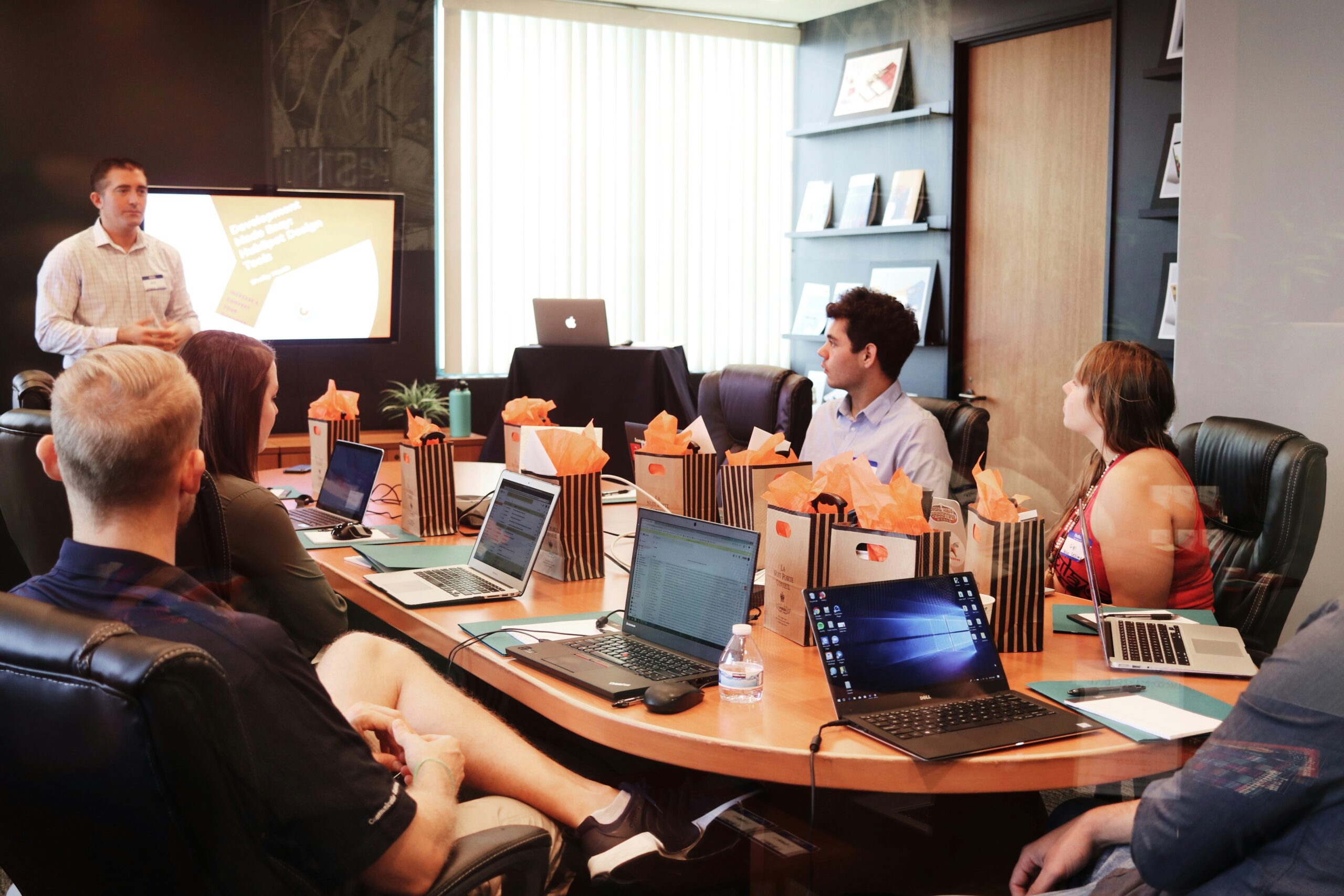
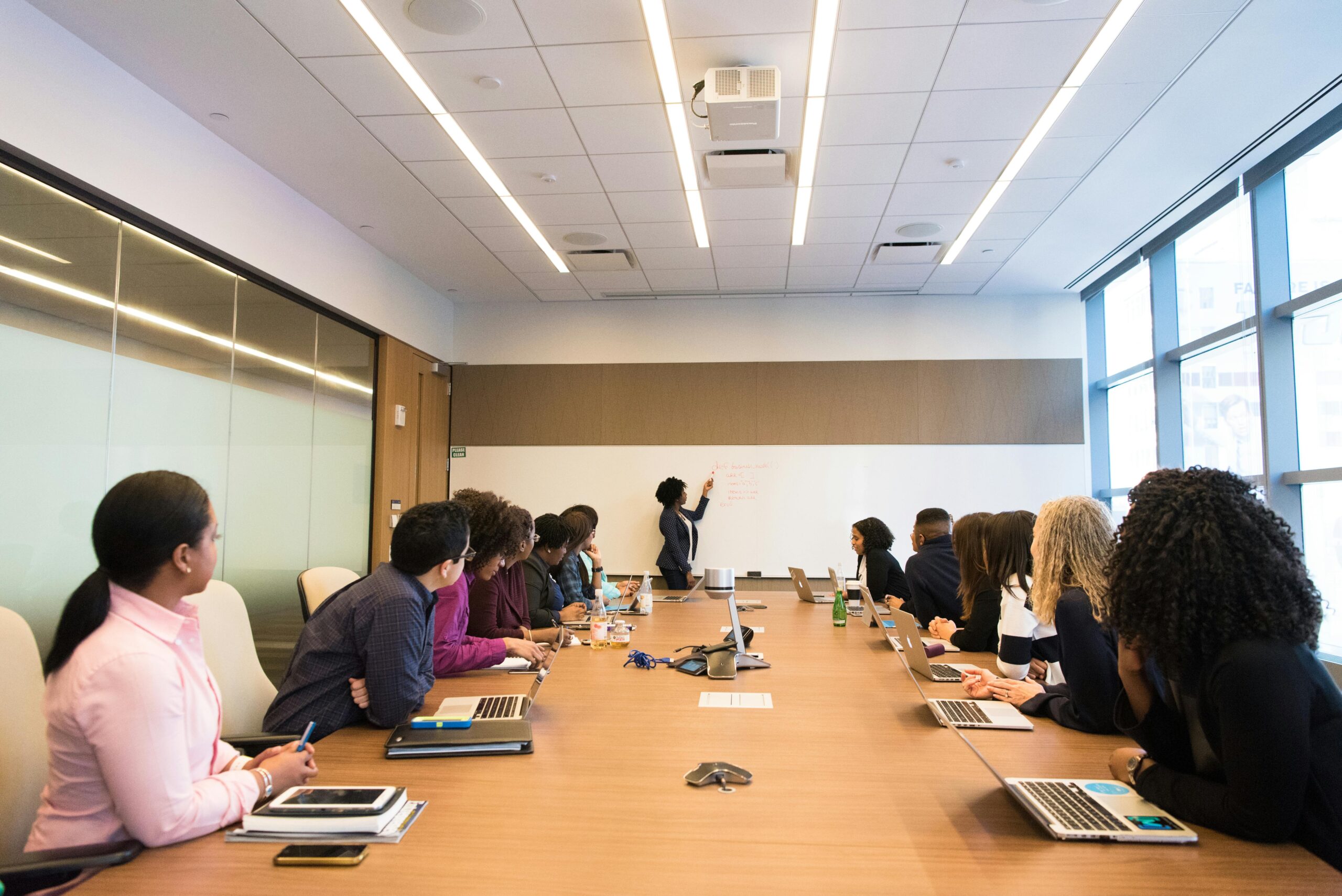
As productivity extends from solo builders to teams, the problem of context gaps in live collaboration emerges. Remote meetings often force participants into a trade-off between presence and understanding. Acronyms, internal jargon, or missing background push people to Google, Slack, or search documents mid-conversation, fragmenting attention.
Simplora AI addresses this through what it calls conversation-activated information retrieval. Its system surfaces relevant knowledge from internal tools like Slack while people are speaking, keeping participants engaged without breaking flow.
“Our thesis, right, is that you can make faster decisions with faster intelligence,” said Jimmy Lowery, Jr., Founder of Simplora AI.
For new hires, that means definitions appear on the fly instead of weeks spent “drinking from a firehose.” For sales teams, it means pre-approved answers surface the moment a prospect asks a question. Presence, in this model, is no longer about being in the room, but about staying in the conversation.
Jimmy Lowery Jr’s experience reflects the collaborative side of modern work. Simplora AI grew out of a frustration that persists across remote teams. Even seasoned professionals struggle to follow meetings filled with internal language, acronyms, and assumed knowledge.
“There was honestly no way for me to better comprehend what they were saying in real time,” Lowery said. Searching documents or messaging teammates during meetings came at the cost of attention and participation.
Simplora approaches the problem by surfacing relevant information during conversations rather than after them. Participation no longer depends on prior exposure or institutional memory. It depends on the ability to understand and contribute as conversations unfold. Context becomes shared rather than hoarded.
Lowery frames this as a human centered application of AI. The goal is not to replace interaction but to reduce the cognitive friction that prevents people from staying engaged and making decisions together.
Lean, Distributed, but Still Human
AI’s impact becomes most visible in lean, globally distributed teams. At Lemonet, AI tools such as ChatGPT and Perplexity compress market scoping and positioning work from two weeks to three days. Automation across Notion, Loom, and n8n reduces coordination overhead, allowing meetings to focus on decisions rather than status.
“I think in an AI-enabled environment for startups, the good thing about it is that you can pick the best talent from anywhere. So the talent has no borders,” said Clementine Clough, Founding COO of Lemonet.
Still, Lemonet draws clear lines. AI handles research, formatting, and coordination. Strategy, creative direction, and culture remain human-led. Guardrails such as time-blocking, defined off-hours, and regularly audited AI budgets replace the old instinct to hire for every task.
The time compression allows startups to compete without carrying oversized teams.
“You can do this positioning exercise in three days,” Clough said, noting that similar work once required long agency timelines and large budgets. Lean teams become viable when foundational work moves faster.
Clear boundaries define how Lemonet uses AI. Research, formatting, and coordination are automated. Strategy, creative direction, and cultural decisions remain human-led. “Decision making is still absolutely a human-level thing,” Clough emphasized.
Flexibility is intentionally structured. Time blocks protect focus. Off hours are respected. Tools are reviewed regularly to ensure they still serve the team. “You design your life around the spaces that make you the most productive and happy,” Clough said.
Lemonet also resists the idea that flexibility means permanent distance. In person moments remain essential for trust and culture. Distributed teams work best when human connection is treated as a strategic input rather than an afterthought.
Flexibility Is a Design Problem
Across these founders, a consistent pattern shows that AI enables individuals and small teams to operate at a scale that once required far more people. It also increases the need for intentional design around trust, boundaries, and judgment.
The next phase of flexible work will reward leaders who focus on systems rather than hours. The advantage will belong to those who use AI to create clarity, protect attention, and support human decision making. Flexibility will not be granted by tools alone. It will be built deliberately.