
Image credit: Pixabay
AI has been gradually transitioning from being a secondary option at work to the main player. The technology that was once used experimentally or applied only in rare applications has now become integrated into calendars, inboxes, project boards, hiring platforms, and creative workflows. Flexible work, such as remote, hybrid, or freelance careers, has also been a major factor in shifting from a bonus to a baseline expectation. The interaction between the two forces, however, is still undecided. Is it the case that AI introduces a certain degree of control, or does it inadvertently enhance the chaos?
This dilemma is worsening the tension between freedom and structure. Flexibility might promise autonomy, but without systems, it can quickly slide into chaos. This is where AI steps in as the bridge between the two.
Productivity vs. Chaos: The Myth of Efficiency
The present conversation around productivity often assumes people are already operating from a place of stability. However, the reality is that many workers, especially those in flexible or non-traditional roles, are still juggling fragmented schedules, multiple clients, and constant digital noise. In such an environment, efficiency tools alone fall short.
Matt Canning, Founder & CEO of NoPlex, argues that productivity is often misunderstood. “Before productivity, you need to manage life’s chaos,” he says. “Productivity is a luxury for people who have systems in place, have order, and feel like they’re not drowning.”
Canning’s perspective comes from years of working at the intersection of technology, leadership, and neurodivergent experience. After his daughter was diagnosed with ADHD, he began to notice a gap in the market: plenty of tools promised optimization, but very few addressed the cognitive overload that prevents people from reaching productivity in the first place.
In flexible work environments, this distinction becomes even more critical. Remote and hybrid roles blur the lines between professional and personal responsibilities, increasing the mental burden of context switching. According to Canning, AI can be powerful here, but only if it is used to reduce friction rather than amplify pressure.
“No one needs another dashboard telling them they’re behind,” he explains. “What they need is help managing the small, persistent tasks that quietly drain attention.” Tools that surface priorities, reduce decision fatigue, and simplify task capture help create the psychological safety required for sustained focus.
This reframes AI’s value. Rather than simply automating large tasks, AI’s most immediate impact may be in managing the million little things that overwhelm workers. Without this foundation, flexibility becomes unsustainable.
AI as an Augmenter, Not a Replacer
As AI capabilities expand, so does the temptation to outsource thinking entirely. The distinction between generative AI, which creates content, and agentic AI, which takes actions, is becoming increasingly important. Used carelessly, these tools can produce what many describe as “AI slop,” fast and polished output with little substance.
Daniel Burrus, futurist and technology advisor, cautions against an “AI-first” mindset. “AI is an augmenter, not a replacer,” he says. “It’s a first-draft digital assistant, not a last draft. It magnifies our thinking, but it doesn’t replace human wisdom.”
Burrus has spent decades advising leaders at global organizations, and his concern is not technological capability but human complacency. When people allow AI to do the thinking for them, critical judgment erodes. In flexible roles, where autonomy and trust are essential, this creates real risk.
He points out that AI excels at informing but struggles with trust, nuance, and ethical judgment. “There’s a reason we don’t call it artificial wisdom,” Burrus notes. “AI can’t establish or elevate trust, and trust is the foundation of all human relationships.”
In practice, this means AI works best when paired with human oversight. It can accelerate research, structure ideas, and suggest options, but the final decisions must remain human-led. In remote work especially, where visibility is limited, maintaining integrity and accountability becomes even more important.
AI-Powered Job Seeking and the New Career Models
AI’s influence extends beyond daily workflows into how people find and shape work itself. Job seeking, long criticized for inefficiency and opacity, is now witnessing a transformation through AI-powered resume tailoring, interview preparation, and role matching.
Sam Wright, Head of Partnerships at Huntr.co, notes a measurable shift. “People are learning how to get AI to work for them—especially to help them find flexible roles that give them more control over their lives,” he says. “AI-tailored resumes double interview conversion rates.”
Wright’s insights are grounded in data from millions of job applications and hundreds of conversations with job seekers. Many of these candidates are navigating return-to-office mandates after experiencing the autonomy of remote work. For them, AI becomes a leverage tool rather than a shortcut.
“Flexibility has become non-negotiable for a lot of people,” Wright explains. “Parents want to attend school events. Others want to travel or simply avoid hours-long commutes. AI helps them compete for roles that support that lifestyle.”
However, he emphasizes that tools alone are not enough. Successful candidates still need clear communication, ownership, and initiative. AI can translate experience into language recruiters understand, but it cannot replace accountability or curiosity.
As portfolio careers and long-term remote roles continue to coexist, AI is quietly reshaping how workers position themselves. Those who understand how to use it strategically gain access to more opportunities and greater autonomy.
The Entrepreneur’s AI Toolkit and Visibility Challenge
For entrepreneurs, AI has become more than a productivity aid. It is also a visibility engine. Tools that generate content, analyze audience behavior, and surface insights are changing how founders build credibility and reach markets.
Dr. Erin Jacques, Founder of ChatifyIT, views AI as a powerful equalizer. “AI lets people with limited resources overcome barriers through personalized, accessible knowledge,” she says. “But you need domain expertise to avoid garbage in, garbage out.”
Jacques’ work sits at the intersection of entrepreneurship, education, and AI research. She has been particularly focused on how AI reshapes authority and discoverability as search evolves beyond traditional engines.
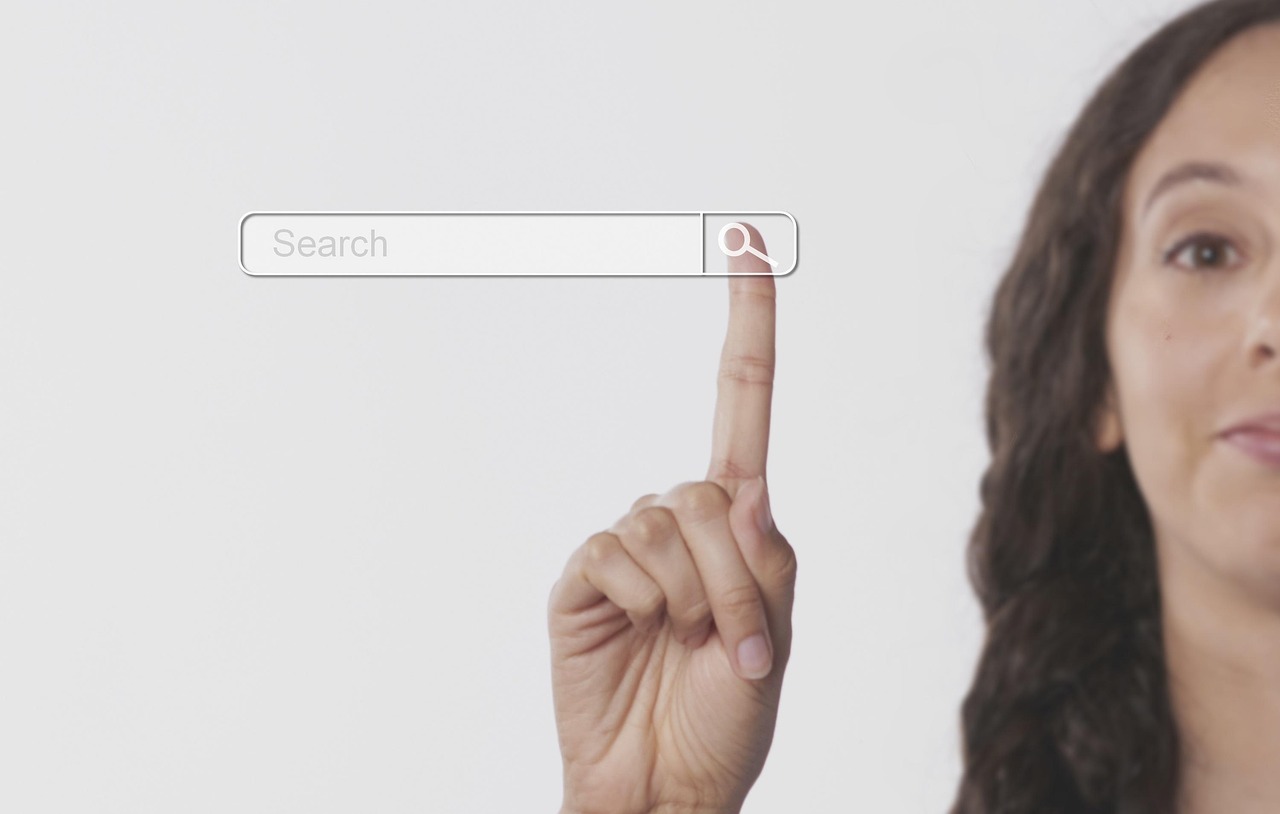
With the rise of Answer Engine Optimization and generative search, clarity and credibility matter more than volume. “This is the early days,” Jacques explains. “The people who understand how AI systems surface and cite information now will see compounding returns over time.”
For founders, this means thinking beyond tools and toward systems. AI can help capture leads, nurture audiences, and deliver value at scale, but only when paired with intentional strategy. Visibility without trust does not convert.
Designing a Human-First Future
The rapid adoption of AI has made work more flexible but also more complex. The technology enables autonomy, improves job mobility, and reduces friction, but only when paired with structure and intention.
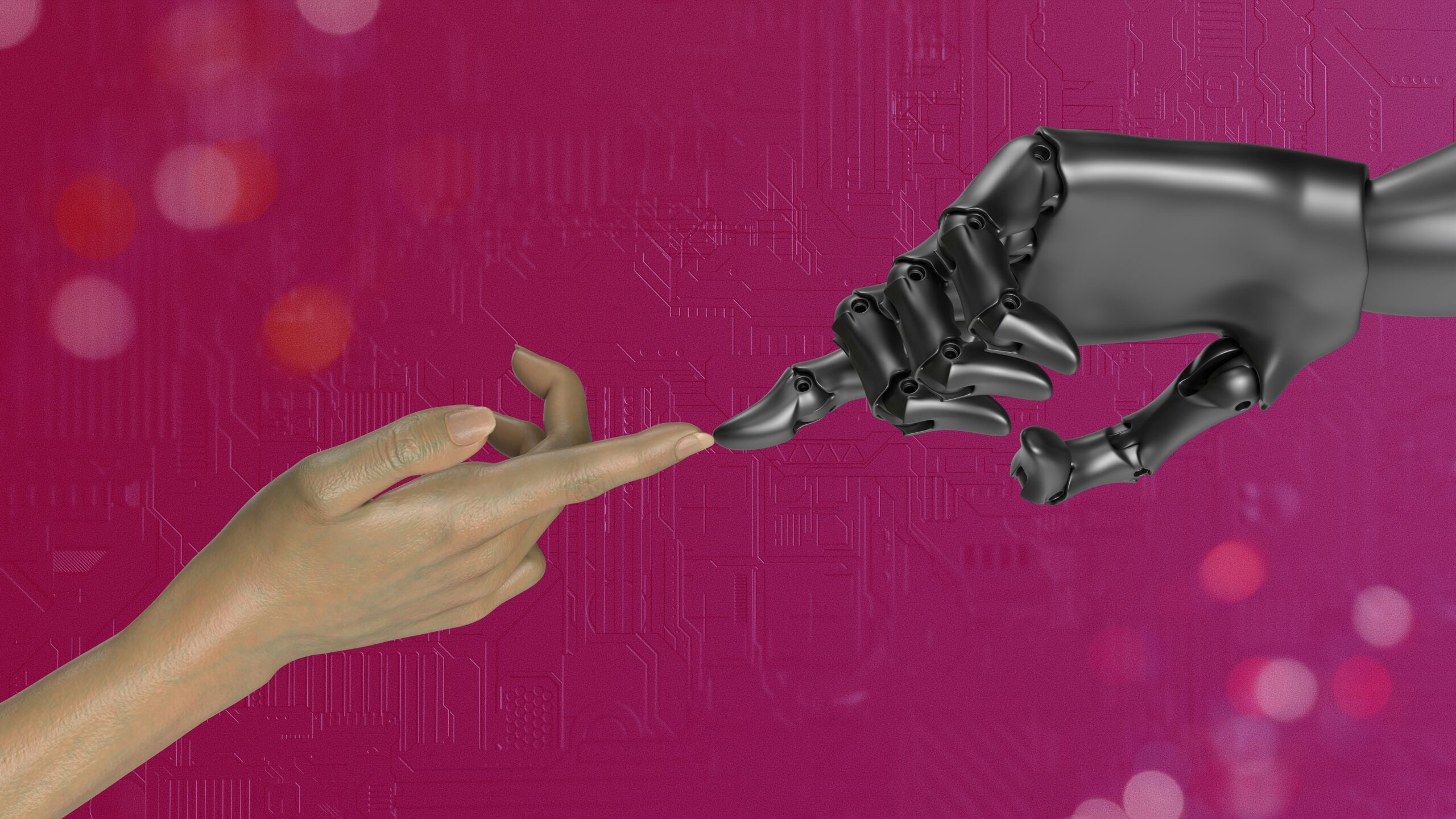
Across roles and industries, a common theme emerges. AI works best when it supports human judgment rather than replaces it. Whether managing daily chaos, navigating career transitions, or building entrepreneurial visibility, the most sustainable outcomes remain human-led.
The future of work will not be shaped by how powerful AI becomes, but by how deliberately people choose to integrate it into their lives.