
Image credit: Pexels
Customer support teams are adopting artificial intelligence at record speed. Call centers and digital help desks now use artificial intelligence to meet growing demands for continuous service delivery and rapid problem resolution, ultimately reducing operational expenses.
Organizations can achieve automatic system performance through 24-hour operational capabilities, which lead to cost savings, but this creates a challenge that executives must learn to control. The main challenge customers face with AI systems now is determining the best ways to implement this technology that preserve both customer trust and human interaction.
What Makes AI “Best” for Customer Support?
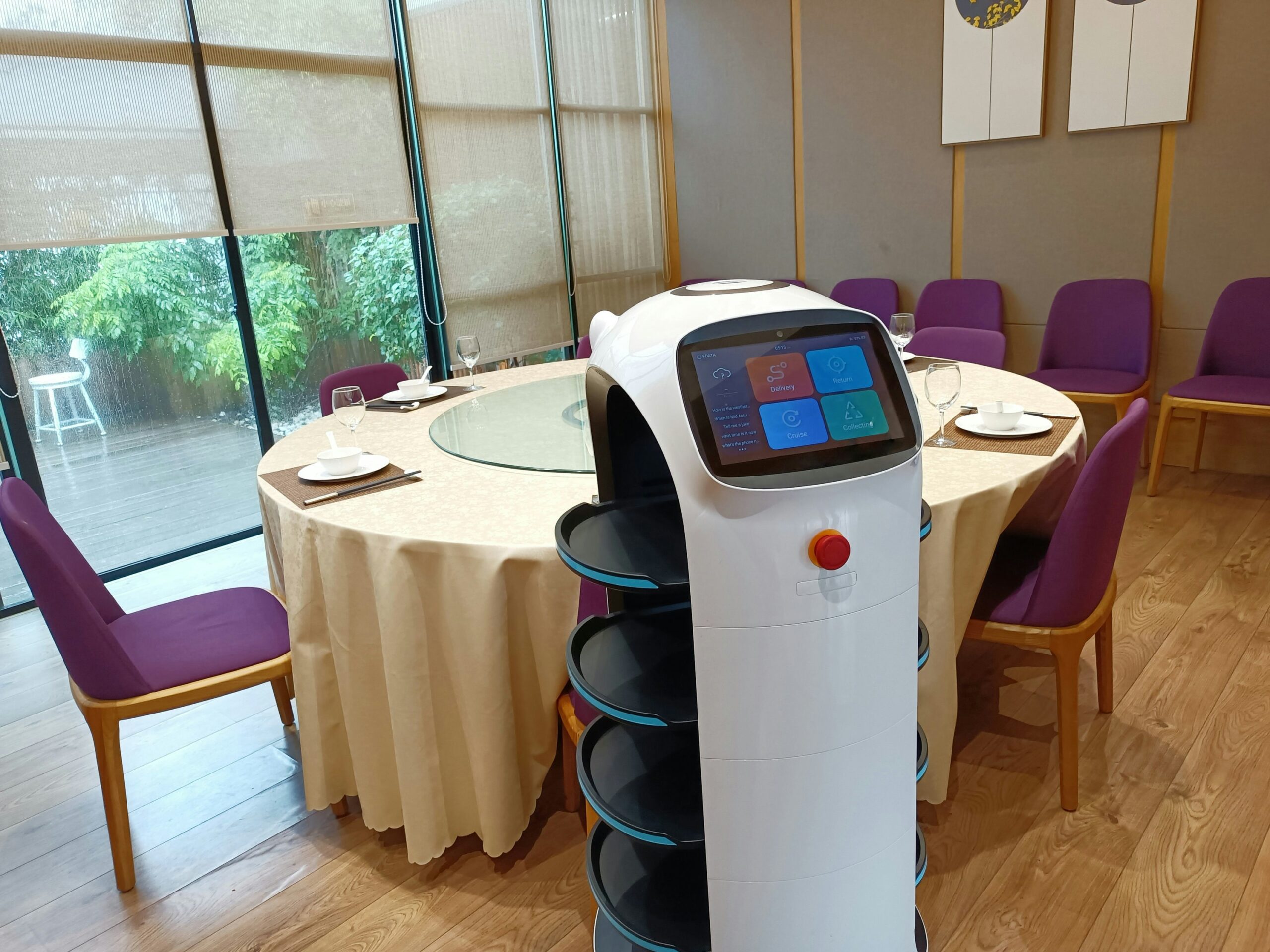
The most effective AI platforms focus on outcomes, not novelty. The system uses intelligent routing to match callers with appropriate agents, reducing friction during their initial contact. Predictive insights help anticipate customer needs, reducing the need for customers to make multiple contacts and repeat their inquiries. The system automates first-layer support, including FAQs, navigation, and basic troubleshooting, allowing human agents to focus on more important customer interactions.
Equally important is flexibility. AI tools that support hybrid and remote workforces allow leaders to deploy talent where and when it is most effective. The strongest systems integrate cleanly into existing leadership and operational structures, reinforcing accountability rather than bypassing it.
AI as the First Layer, Not the Final Word
In practice, AI works best as a navigational guide. Smart chatbots and advisory assistants surface patterns, flag risks, and streamline workflows across support and sales funnels. They inform decisions without making them.
The risks emerge when automation goes too far. Younger, AI-savvy audiences quickly recognize machine-generated interactions and disengage when responses feel scripted or impersonal.
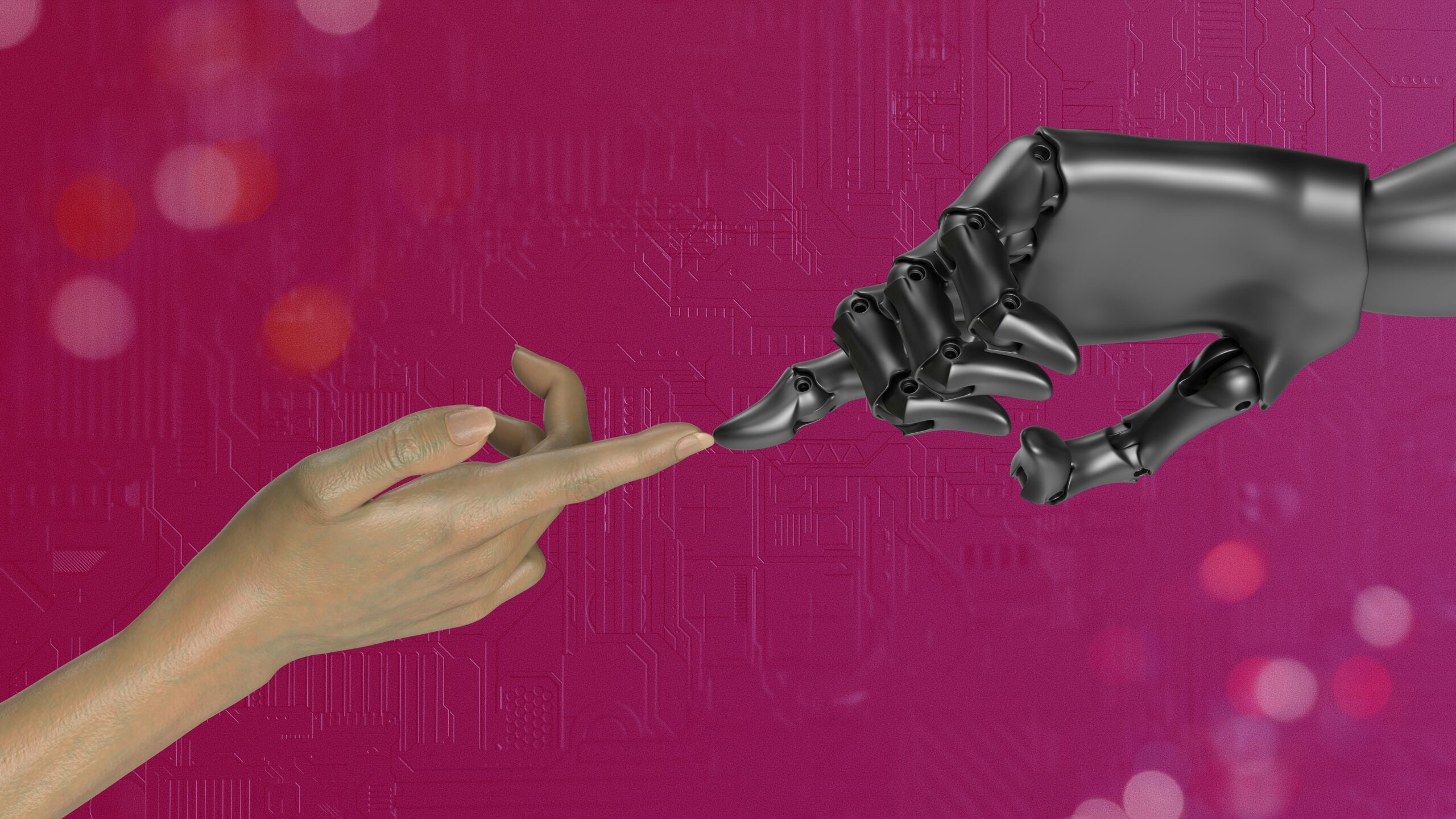
Anthony E. Tuggle, Founder & CEO of TAG US Worldwide, puts it: “AI is not replacing humans. AI insights help humans make better decisions at the end of the day.”
TAG US Worldwide works with organizations to pair AI capabilities with human decision-making, helping leadership teams build AI-ready cultures that translate insights relating to measurable results.
Leadership and Culture: The Hidden Variable
Many AI rollouts fail for reasons unrelated to technology. Without cultural alignment, tools remain underused or misapplied. Leadership development plays a central role in preparing teams to operate in AI-augmented environments, where judgment, emotional intelligence, and escalation skills matter more. Execution determines whether AI delivers sustainable transformation, not hype.
Flexibility, Efficiency, and the Future Workforce
AI-powered workforce models are changing utilization and morale. Flexible scheduling systems enable agents to manage their availability while maintaining service levels. When AI supports frontline teams rather than replacing them, organizations see fewer repeat calls, lower costs, and higher satisfaction among customers and employees alike.
Marketing, Trust, and the Authenticity Challenge
AI also influences how support connects to marketing and sales. Overreliance on AI-generated content can undermine credibility, particularly with younger audiences sensitive to automated tone.
Karina Tymchenko, Founder of Brandualist, notes: “AI should be used as the first layer of support, not the last.”
Brandualist integrates AI selectively, observing that although automation excels at guidance and simple answers, complex purchasing decisions still depend on human interaction.
What the Next 6–12 Months Will Bring
Organizations can expect deeper automation across chat and voice channels, improved learning from recorded interactions, and a gradual shift away from phone-heavy support toward intelligent chat systems. Workforce models will grow more flexible, but emotional intelligence and trust-building will remain essential in complex cases.
Final Thoughts: Technology Is Powerful, But People Win
The best AI software is defined by integration, not features. Human agents become more valuable as escalation specialists and trust builders. Companies that balance innovation with leadership, culture, and emotional intelligence will gain a durable competitive lead in the coming years.