
Image credit: Pixabay
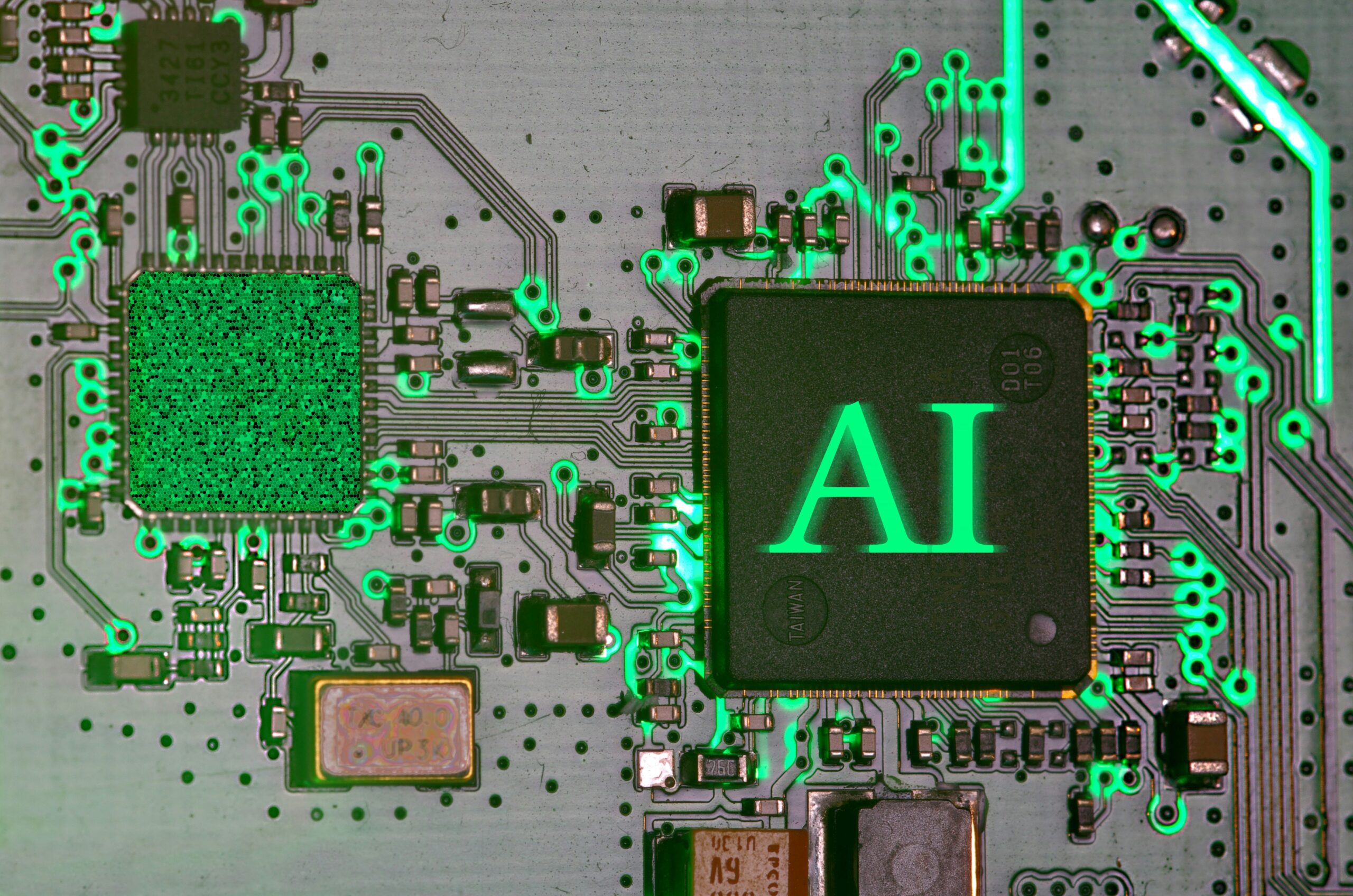
Artificial intelligence has moved beyond industry terminology to become a force that creates practical changes in sales operations. AI-powered tools now function as essential elements in successful sales organizations where they are used to support processes from onboarding and training through forecasting and customer engagement. These technologies do not eliminate human workers because they help to improve work processes while providing better information and maintaining essential human relationships that drive business growth.
From Buzzword to Business Backbone
The growing use of AI technology in sales operations shows a wider trend that supports decision-making based on data analysis. Sales teams use intelligent platforms to collect customer data, analyze it, and understand customer behavior throughout their interactions. Conversation intelligence tools such as GONG, Chorus, and Avoma show how this transition is setting in. The platforms record and analyze sales calls and meetings to provide insights about buyer patterns, competitor references, and sales techniques that lead to successful results.
This evolution has changed the way organizations approach sales enablement. Leaders now access detailed insights that they obtain from actual conversations instead of relying on anecdotal evidence and unconnected data. The result of this process enables training to become specialized while messaging achieves uniformity and execution reaches its highest level of accuracy. Organizations relying on AI tools now dedicate their resources to improving performance through forward-thinking methods rather than waiting to resolve issues as they occur.
Smarter Coaching and More Accurate Forecasting
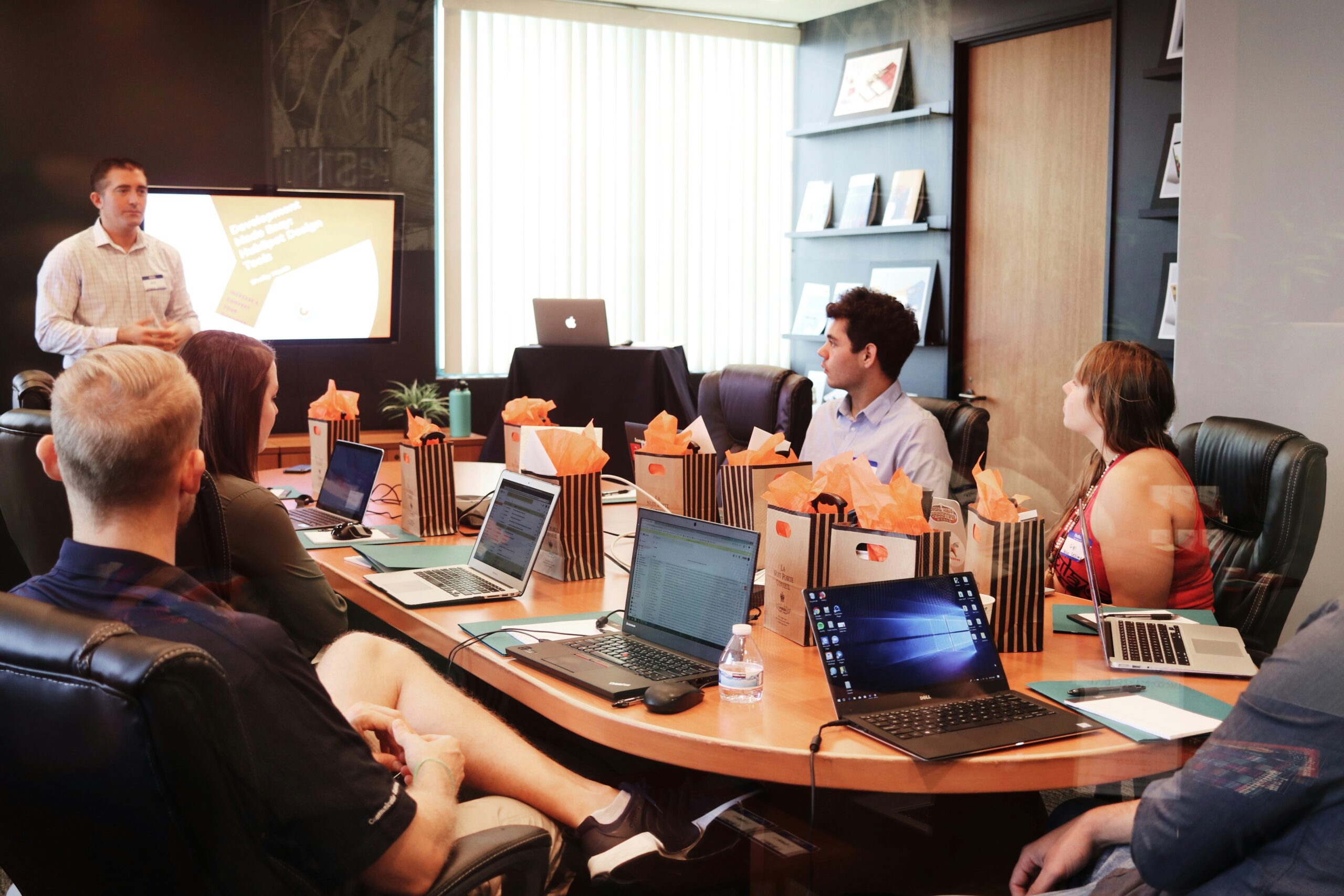
One of the most significant impacts of AI in sales lies in coaching and forecasting. AI-powered platforms provide real-time feedback and detailed call transcripts, allowing managers to flag critical moments, assess performance objectively, and guide representatives with clarity. This approach replaces instinct-driven coaching with evidence-based strategies, improving both individual and team outcomes.
Forecasting also benefits from these capabilities. AI systems use forecasting for analyzing trends across thousands of interactions to generate more reliable projections. This helps leaders anticipate deal outcomes and allocate resources effectively. The result is a more predictable pipeline, reduced revenue volatility, and stronger strategic planning.
AI tools are not just offering better oversight but also freeing sales leaders to focus more on mentorship and relationship-building. By automating data capture and analysis, AI allows human teams to dedicate more time to meaningful tasks like strategy development for long-term growth.
Preserving the Human Element
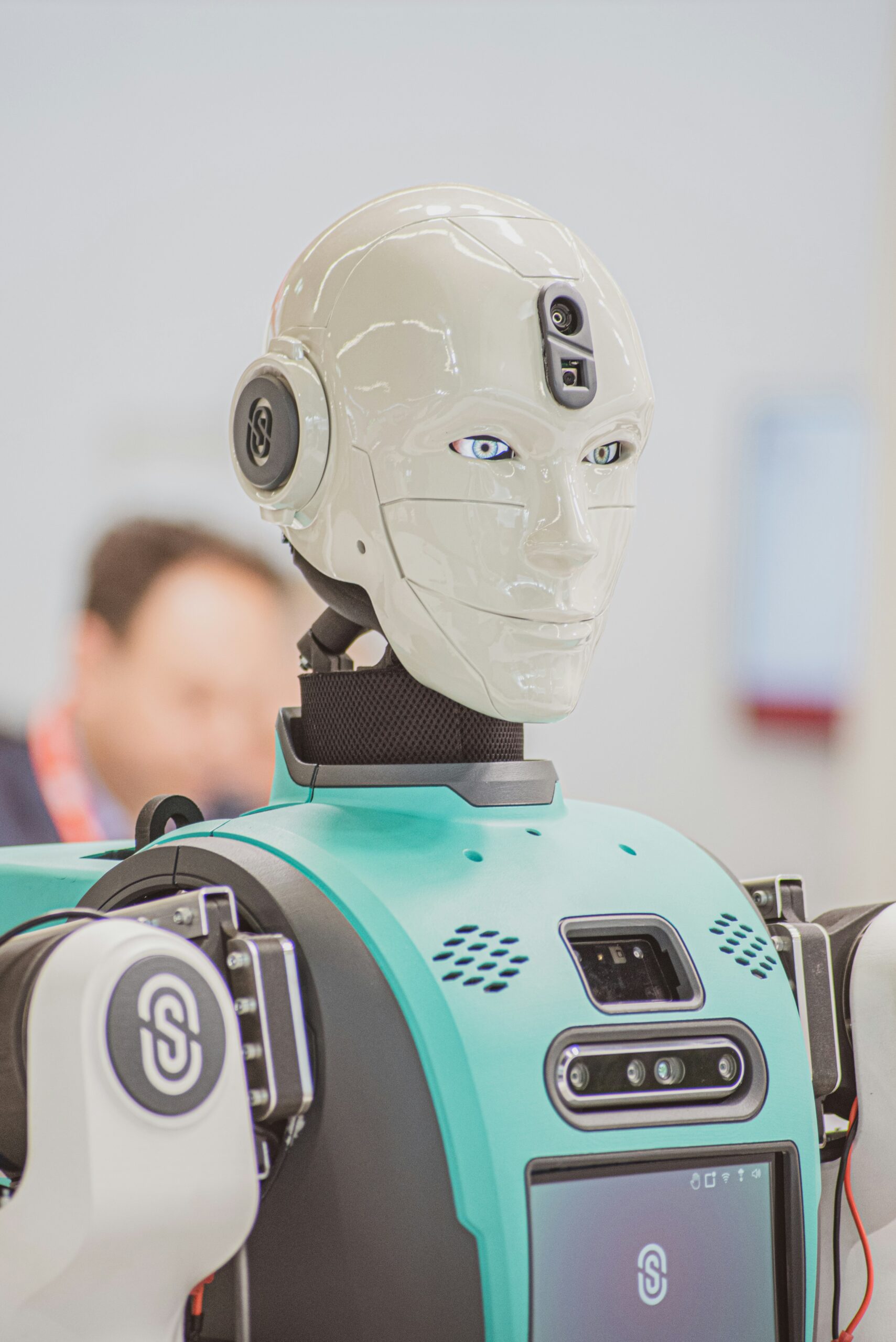
Despite growing automation, industry leaders emphasize that AI must complement and not replace the human aspects of sales. Trust, empathy, and rapport remain fundamental to meaningful client relationships. Technology can support these elements, but it cannot replicate them.
At Binalyze, the sales team has integrated GONG to enhance coaching and forecasting while maintaining a people-first approach. Rudy Ricci, VP of Sales, highlights this balance: “I do feel that GONG is the bridge for conversation intelligence… There are tools out there trying to replace humans throughout the sales cycle… but people want human connection. That’s what I have seen.”
His perspective reflects a broader industry consensus. AI succeeds when it works quietly in the background, empowering professionals with insights while allowing authentic conversations to remain at the forefront.
A Future Built on Synergy
The sales industry is fast adopting AI tools, harnessing their potential with responsibility. The purpose is to create intelligent systems that help teams work better instead of wasting precious time on repetitive tasks that can be automated. AI systems can handle data-driven work, allowing sales professionals to devote more time to learning about their clients and solving their problems, thereby strengthening customer relationships.
This emerging model reflects a future where humans and machines will collaborate to drive sustainable growth. In this environment, machines will manage complexity, and humans will cultivate relationships. Together, they will build a more efficient, insightful, and resilient sales ecosystem.