
Image credit: Pexels
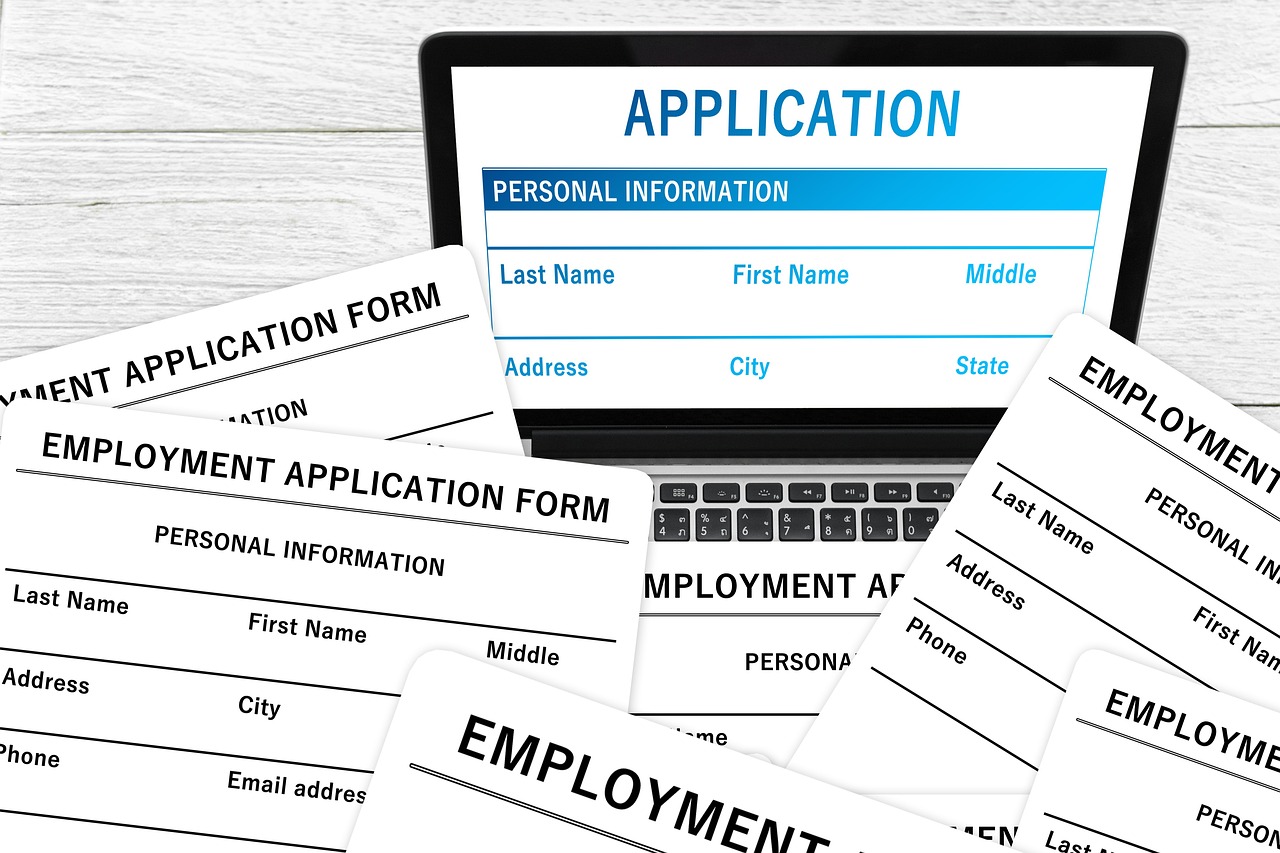
For many job seekers today, the work search no longer has a clear beginning or end. Notifications from job boards arrive at all hours. Application portals promise “one-click” submissions. Professional networking platforms constantly surface new opportunities. In an era where the hiring process relies heavily on automation and technology, the job search can feel like a never-ending task.
The pace of the job market has changed how people approach employment transitions. Fast application cycles, constant alerts, and algorithm-driven hiring systems force candidates to make instant decisions. Yet the emotional reality of the situation presents a different story. Applying for many positions often results in candidates experiencing extended periods of waiting for receiving job offers or facing immediate rejection, which creates an exhausting cycle of emotional distress.
Against that backdrop, career advisers and mental-health professionals are emphasizing a different approach. According to them, building sustainable job-search habits that protect energy, mental health, and everyday responsibilities is crucial.
Building a Sustainable Hiring System
Experts believe that people should stop viewing a job search as an endless task. They recommend choosing a specific time block instead of working through eight-hour sessions of application submission. The idea is to “containerize” job-search activities, setting clear boundaries for research, applications, and networking. This will leave white space in the day for rest, exercise, and other responsibilities, preventing burnout.
Career counselor and licensed mental health counselor Lynn Berger says the key is treating the process with the same discipline as a job itself. As she explains, “…the thing to remember is it’s work. You have to do the work… You need to create a plan for yourself.”
Energy as a Competitive Advantage
While job seekers often focus on résumé strategy or application numbers, advisers say energy management may matter just as much. Networking conversations and interviews demand presence, optimism, and clarity even when someone feels depleted.
Career transformation advisor Bohdana Pavlychko, founder of Dana Pavlychko Academy, emphasizes the importance of mental and emotional readiness during a job search. “…when you are searching for work, you have to really have your state in order to have energy, in order to have passion…” she says.
Networking Like a Human
Another shift that experts encourage is moving away from purely transactional job hunting. Submitting large volumes of applications may feel productive, but it rarely replaces the impact of real professional relationships. Instead, job seekers are encouraged to build connections through industry associations, professional events, and warm introductions. Informational conversations can often lead to insights or opportunities over time.
Pavlychko advises approaching these interactions with curiosity rather than urgency. “…reach out not with asking, give me a job, but reach out to people and ask questions.”
Separating Rejection From Identity
Even with careful planning, rejection remains an inevitable part of the hiring process. Mental-health professionals stress the importance of routines that prevent negative outcomes from becoming personal narratives.
Some job seekers limit when they check application responses, designating specific days to review emails. Others rely on structured reframing techniques, reminding themselves that hiring decisions involve numerous factors beyond their control.
Licensed clinical social worker Djuan Short of Dahlia Rose Wellness Center emphasizes the distinction. “…it doesn’t mean that just because they rejected you that you are a person who is rejected.”
Technology Helps But Also Complicates
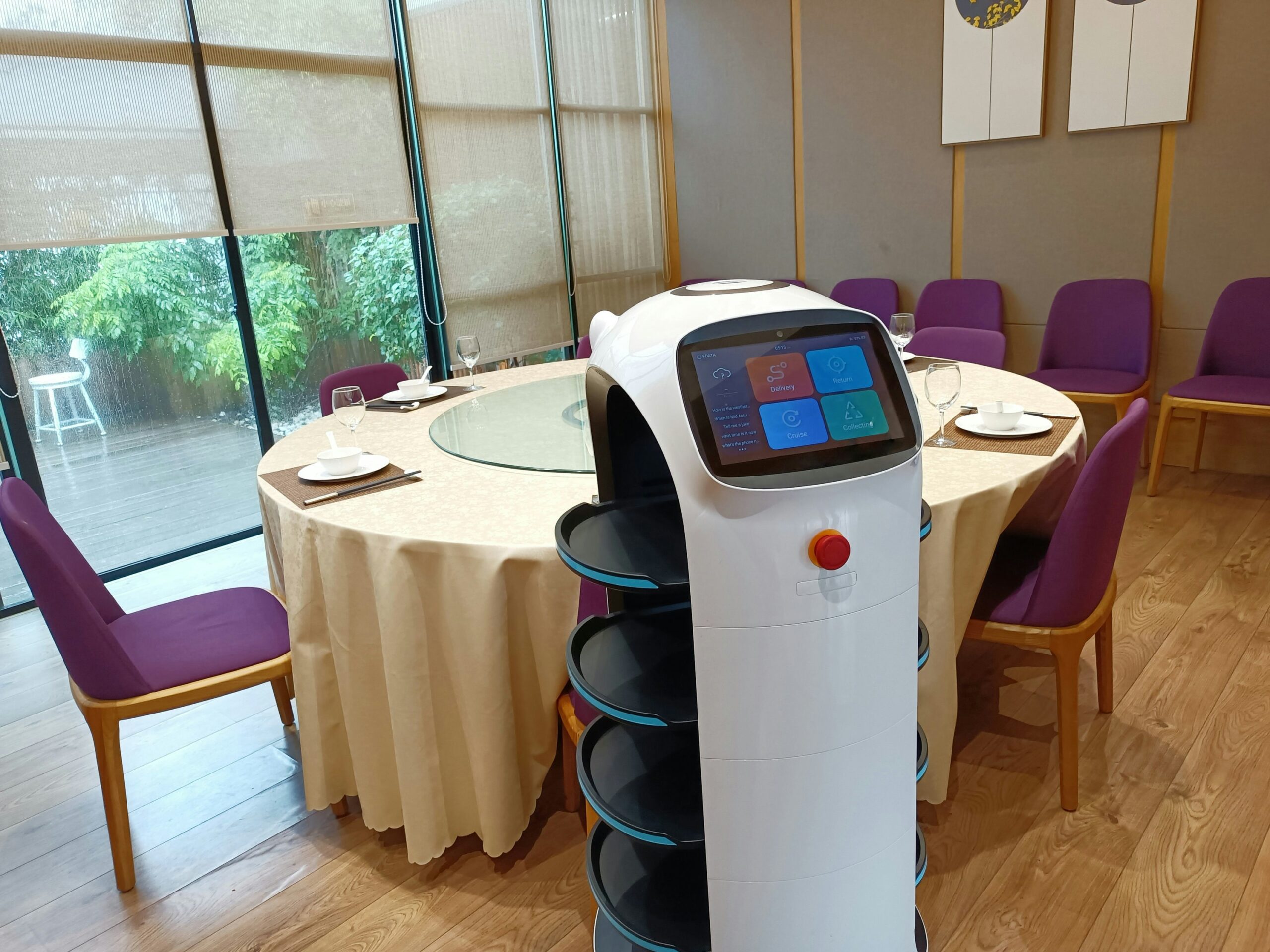
Technology has accelerated hiring but also introduced new complexities. Automated screening tools evaluate applications before a human recruiter sees them. Some candidates now use artificial intelligence to generate cover letters or résumé drafts, while recruiters increasingly scrutinize authenticity.
Michelle Coulson, founder of Remote Rebellion and a former recruiter, notes that hiring decisions often reflect timing rather than permanent judgment. “…if… they are not rejecting you, they are simply saying “no for now”.
The Creative Industry Example
Few sectors illustrate the unpredictability of job searching better than creative fields. Artists, designers, and freelancers often experience unpredictable work cycles in which opportunities cluster or disappear entirely.
Self-taught oil painter and muralist Stina Aleah candidly describes the pattern. “…it can genuinely be feast or famine.”
For professionals in those industries, maintaining visibility and consistent outreach becomes essential during slower periods.
Balance as Strategy
Across industries, career advisers increasingly frame balance not as a luxury but as a performance strategy. Structured schedules, energy protection, and relationship-driven networking help job seekers survive in a demanding system.