
Image credit: Pixabay
Imposter syndrome is no longer a hidden struggle; it is now a prominent issue at the highest levels of leadership. For centuries, professionals have struggled with the psychological toll of feeling they do not deserve their achievements, even as they break new ground, earn promotions, and guide teams to success. The gap between external accomplishment and internal self-doubt is stark, revealing a pervasive challenge for high performers.
The current business environment has heightened awareness of this term. As more leaders share experiences of burnout and anxiety, simply identifying imposter syndrome does not resolve it. Despite outward demonstrations of skill, the feeling persists for many.
A Long-Standing Pattern With a Modern Spotlight
Before KPIs and personal brands, ambitious individuals faced similar insecurities. What has shifted is the intensity. Social media, dashboards, and constant comparison heighten scrutiny and quicken feedback. Recognition is now more external and often fleeting.
Kevin Bam Smith, CEO of KBS Solutions, notes the disconnect leaders feel.
He says, “You have to be confident enough to know that you have enough skill set, enough knowledge, enough expertise to lead those people who are trusting you and doing your job.”
This underscores a shift: leaders must reconnect with why they were chosen. Selection reflects proven capability.
When Self-Development Turns Into Self-Attack
Imposter syndrome is often mistaken for a lack of ambition. In fact, it shadows those most committed to growth. High achievers can turn self-improvement into self-criticism, always chasing a moving target.
Mousaab Khaldi, Founder of 4 Empires Coaching, succinctly reframes the pattern: “Self-development becomes self-attack.”
When professionals chase credentials, titles, and metrics without a grounding in personal values, progress can erode self-worth rather than strengthen it.
Khaldi’s Four Empires: mindset, health set, heart set, and soul set offer a holistic approach. They help leaders excel while balancing ambition and psychological stability.
Trauma, Perfectionism, and Internal Criticism
Psychologists say achievement-based identity often comes from high-pressure backgrounds, including childhoods where success meant safety. Performance can become a coping mechanism.
Chloë Bean, Somatic Trauma Therapist and LMFT at Chloe Bean Therapy, normalizes imposter syndrome: “It’s really just such a human experience, imposter syndrome. So I just start with normalizing it.”
Normalization reduces shame and creates space for change.
Practical tools follow from that foundation. Parts work invites curiosity toward internal fears rather than suppression. Leaders can practice “internal organizing,” asking which voice is driving decisions.
Technology, AI, and the Confidence Paradox
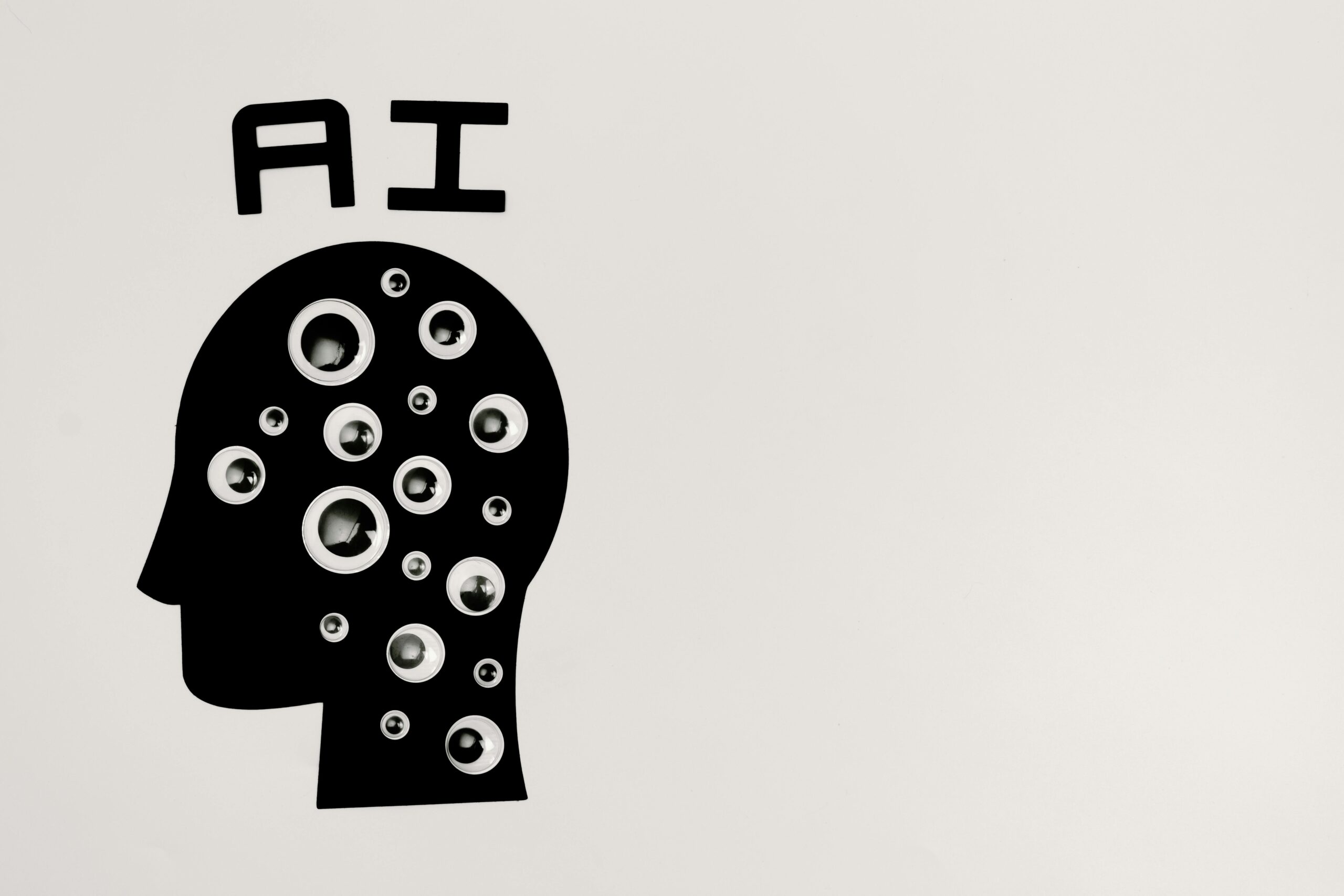
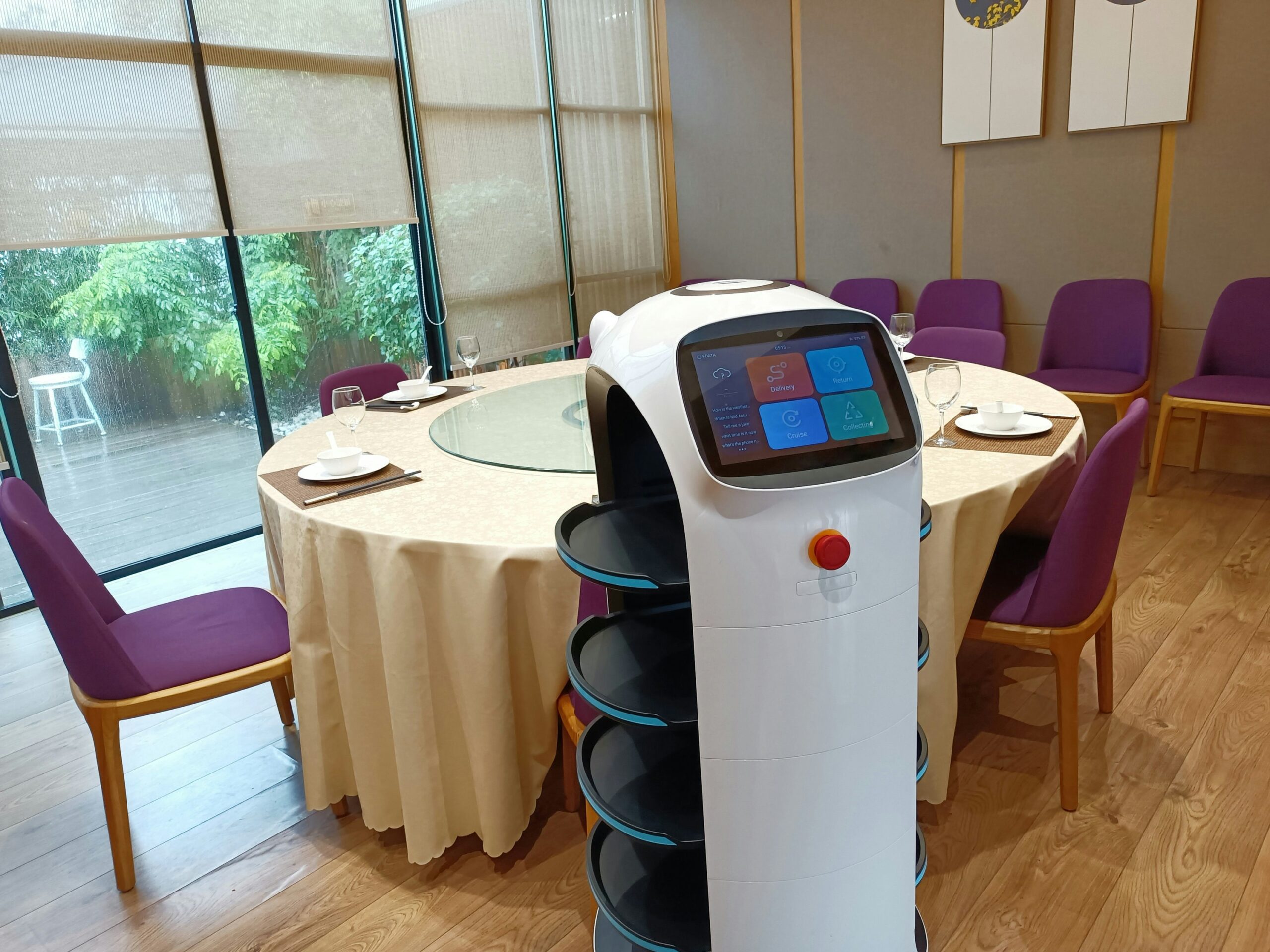
Automation and AI accelerate productivity across fields. Yet greater efficiency can undermine growth. When professionals delegate too much cognitive work, they can miss chances to hone true expertise, the bedrock of lasting confidence.
Experts caution against over-automation, particularly in creative and therapeutic spaces where depth and human nuance matter. The tension between speed and skill development is real. Sustainable leadership requires balance, achieved by leveraging technology while cultivating core competencies.
Leadership Culture and the Ripple Effect
Unchecked self-doubt does not stay internal. Leaders who question their legitimacy may micromanage or foster perfectionistic cultures. In contrast, regulated and self-led leadership promotes psychological safety.
Calm, secure leaders encourage experimentation, which strengthens retention, creativity, and innovation. Their confidence becomes contagious.
Practical Strategies for Resilient Leadership
Psychology-backed approaches offer structure:
- Celebrate small and large wins intentionally.
- Separate identity from outcomes; when performance fluctuates, worth does not.
- Conduct regular internal check-ins to determine whether their decisions are based on fear or strength.
- Revisit tangible reminders of past growth and earned opportunities.
- Prioritize internal healing before pursuing the next milestone.
Confidence Built From the Inside Out
Imposter syndrome will likely remain a constant in human experience. Doubt is part of our nature. Combining ongoing learning with self-reflection and conscious self-recognition weakens its hold.
Lasting leadership confidence does not emerge from curated online success or relentless productivity. The ability to lead oneself requires people to practice self-discipline while they develop both internal alignment and continuous self-awareness.