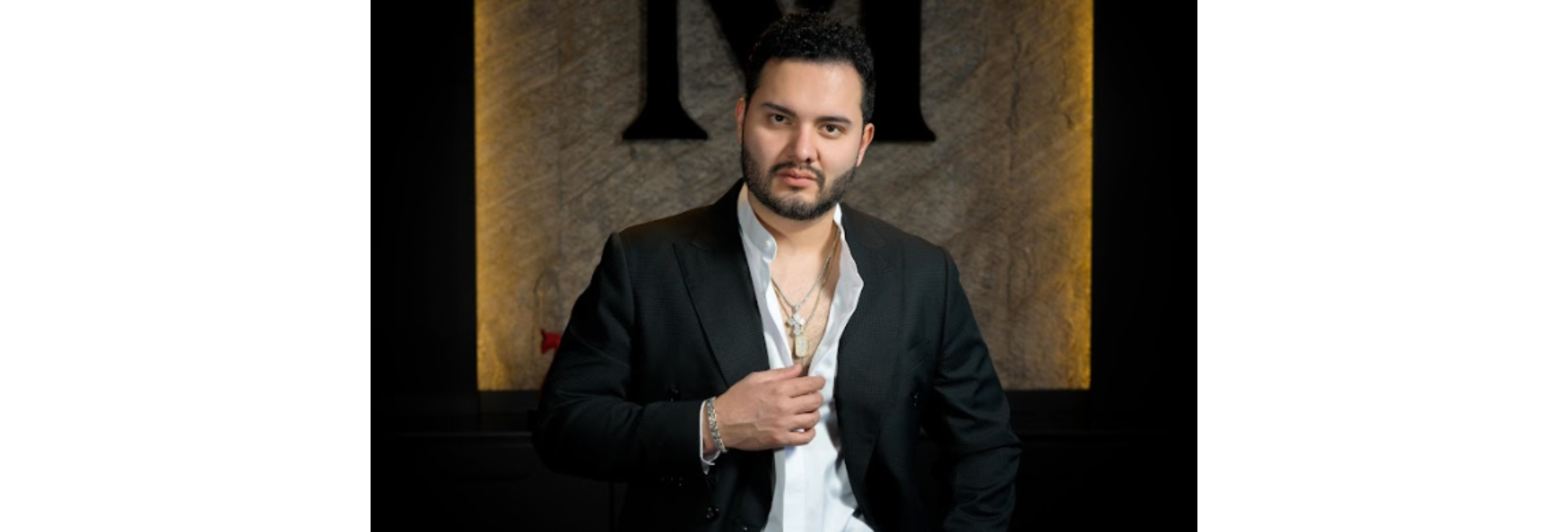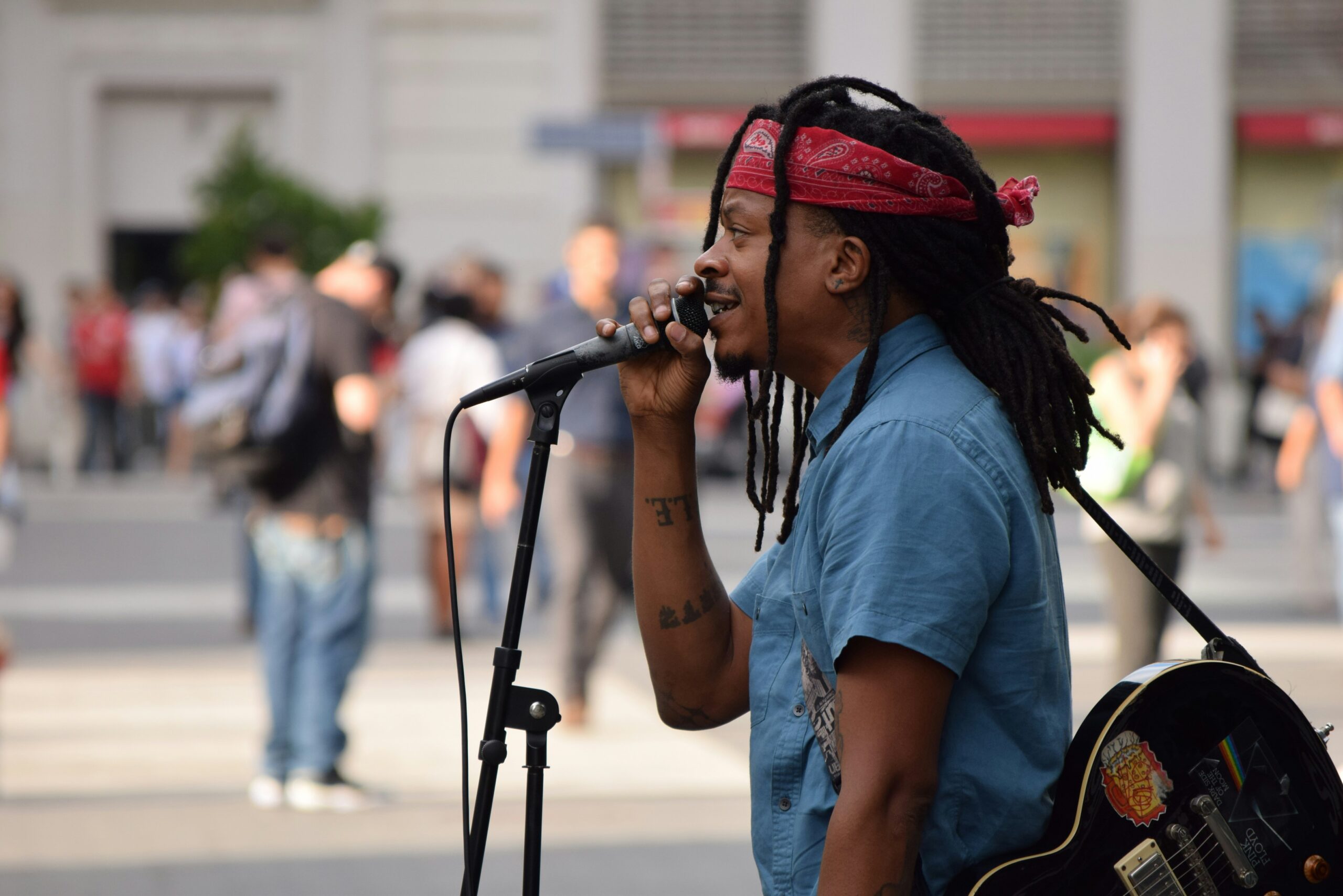

Roberto Torres, recording under the name Sabor Latino, has built a body of work that moves far beyond the typical boundaries of music. His art exists alongside his work as an educator and substance abuse prevention intervention specialist counselor, creating a unique intersection where music, mentorship, and community engagement all inform each other. For Torres, music is not a platform for fame or personal image—it is a reflection of lived experience, a tool for empowerment, and a way to make complex issues approachable for young people navigating difficult realities.
Music as a Mirror of Life
From his earliest albums, Observaciones De Mi Vida Vol. 1 and Vol. 2, Torres established an approach rooted in observation, not performance. His lyrics do not dramatize or exaggerate; they reflect the everyday challenges and small victories that shape young people’s lives. Whether he is addressing family strain, cultural identity, or systemic pressures, his songs speak directly to experiences that often go unheard.
This grounded approach continues in his later projects, including Hacer La Vida Significativa, where patience, small decisions, and gradual growth are emphasized over instant triumphs. Each track serves as a conversation starter rather than a sermon, mirroring what Torres encounters in classrooms and counseling sessions every day.
Songs That Speak to Struggle and Strength
Torres’ singles form a coherent body of work, each track reflecting themes he sees repeatedly in his professional life.
“Todo En La Vida Es Posible” addresses feelings of limitation, offering encouragement to those who may feel boxed in by circumstances.
“Mi Padre” explores family relationships, acknowledging the lasting impact of upbringing on personal growth.
“No Más Racismo” confronts discrimination head-on, offering awareness and resilience without dramatization.
“Hip Hop Positivo” positions music as a tool for accountability and self-respect, not escapism.
“Ahora Es Mi Turno” is perhaps his most personal track, reflecting Torres’ own journey through racism, limited recognition, and cultural identity. Its message, “Now is my turn,” is not about entitlement but about perseverance: progress is earned, recognition is rare, and strength comes from enduring despite setbacks. This song exemplifies how Torres’ art is intertwined with his life lessons, particularly for young Latinos navigating systemic challenges.
Education and Mentorship as Creative Fuel
What makes Torres’ music distinctive is its inseparable connection to mentorship and education. In schools, community centers, and counseling offices, his tracks often spark conversations about identity, pressure, resilience, and self-worth. Music becomes a bridge, giving students language to articulate struggles they might otherwise keep inside.
Torres never positions himself as a figure to idolize. Instead, he uses his music to reflect the experiences of his audience, helping young people recognize that persistence, accountability, and self-respect are ongoing practices rather than sudden achievements.
Resilience at the Core
Across his work, whether in music, literature, or mentorship, resilience is a central theme. Torres’ songs acknowledge reality—the obstacles, the inequities, and the slow pace of progress—while showing that growth is possible. Success is neither universal nor immediate, but for those who keep moving forward, recognition and self-respect can emerge. This philosophy runs through every lyric, every verse, and every classroom conversation he engages in.
A Philosophy Beyond the Spotlight
Torres’ art does not chase fame or commercial trends. His music is a living record of community experience, cultural pride, and personal endurance. Latin hip-hop, in his hands, is not just entertainment; it is a tool for reflection, conversation, and empowerment. By aligning artistic expression with education and mentorship, Torres has crafted a body of work that is as much about teaching and guiding as it is about performing.
In a world where music is often measured by recognition or reach, Roberto Torres reminds us that art can also be a quiet, persistent force for change, one that honors lived experience, uplifts communities, and celebrates the resilience of those who push forward, even when the world doesn’t notice.