
In the modern labor landscape, flexibility at work is no longer just about location. In fact, for many growing companies, location is an afterthought, with remote work and advanced technological tools having drastically changed operating priorities. Instead, true flexibility now depends on whether teams can stay aligned, accountable, and efficient while working across regions and relying more heavily on AI.
Geoffrey Blanc, GM of Cyberimpact, has seen this shift play out in real time as his company scaled across regions without relying on a central office. “When I had my company ten years ago, everybody was coming to the office every day,” Blanc explains. “Now we’ve had to face the reality that everybody wants to work from home, and we’ve had to adapt.”
That adjustment fundamentally changes how companies think about hiring, culture, and performance.
Remote Work: Geography Is No Longer the Organizing Principle
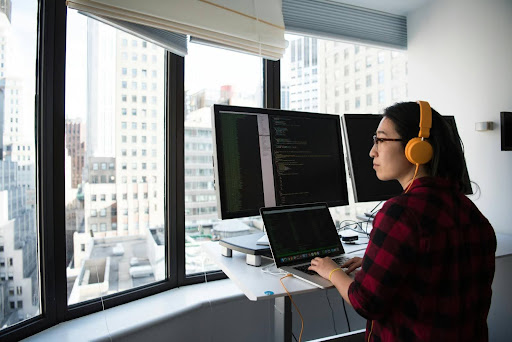
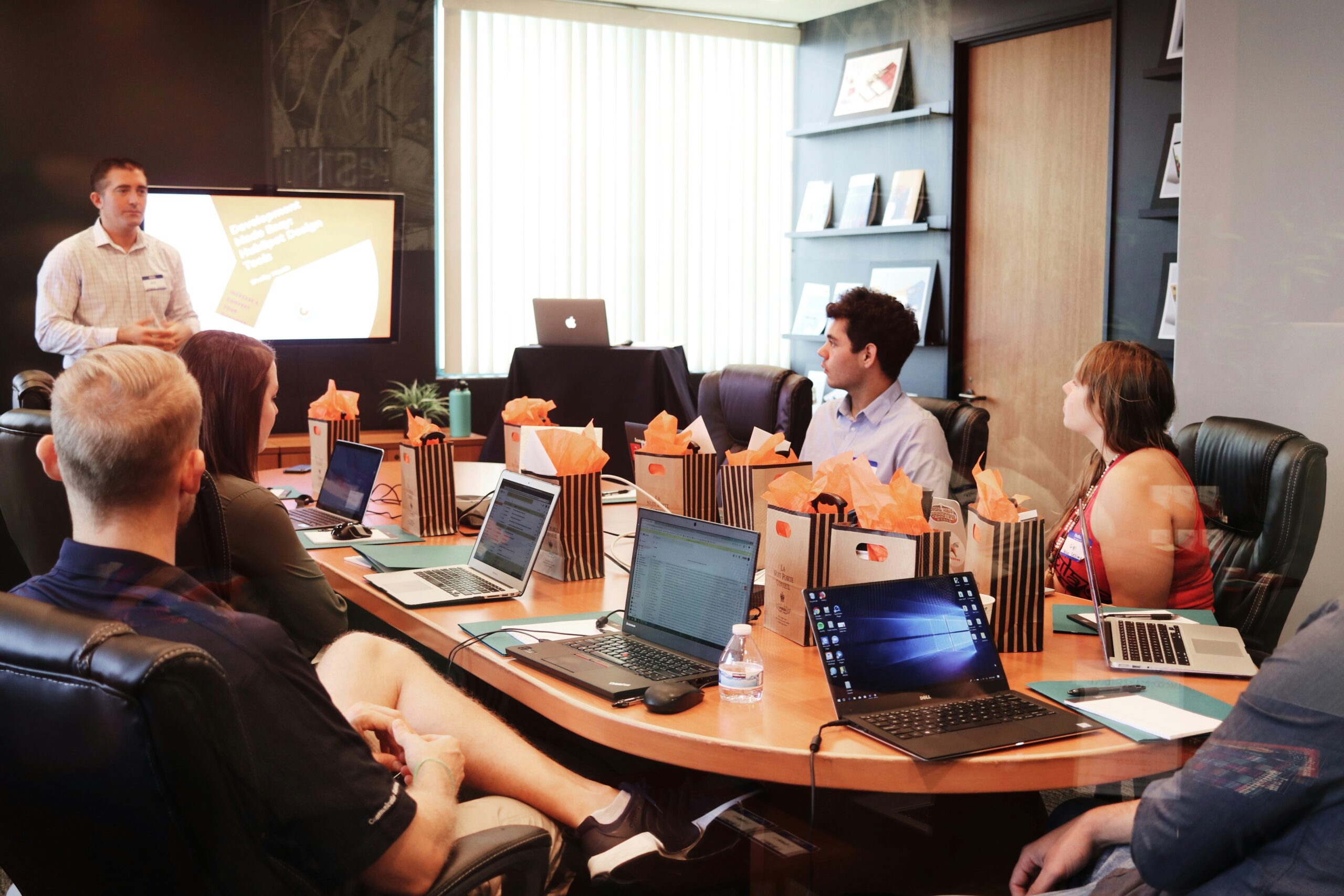
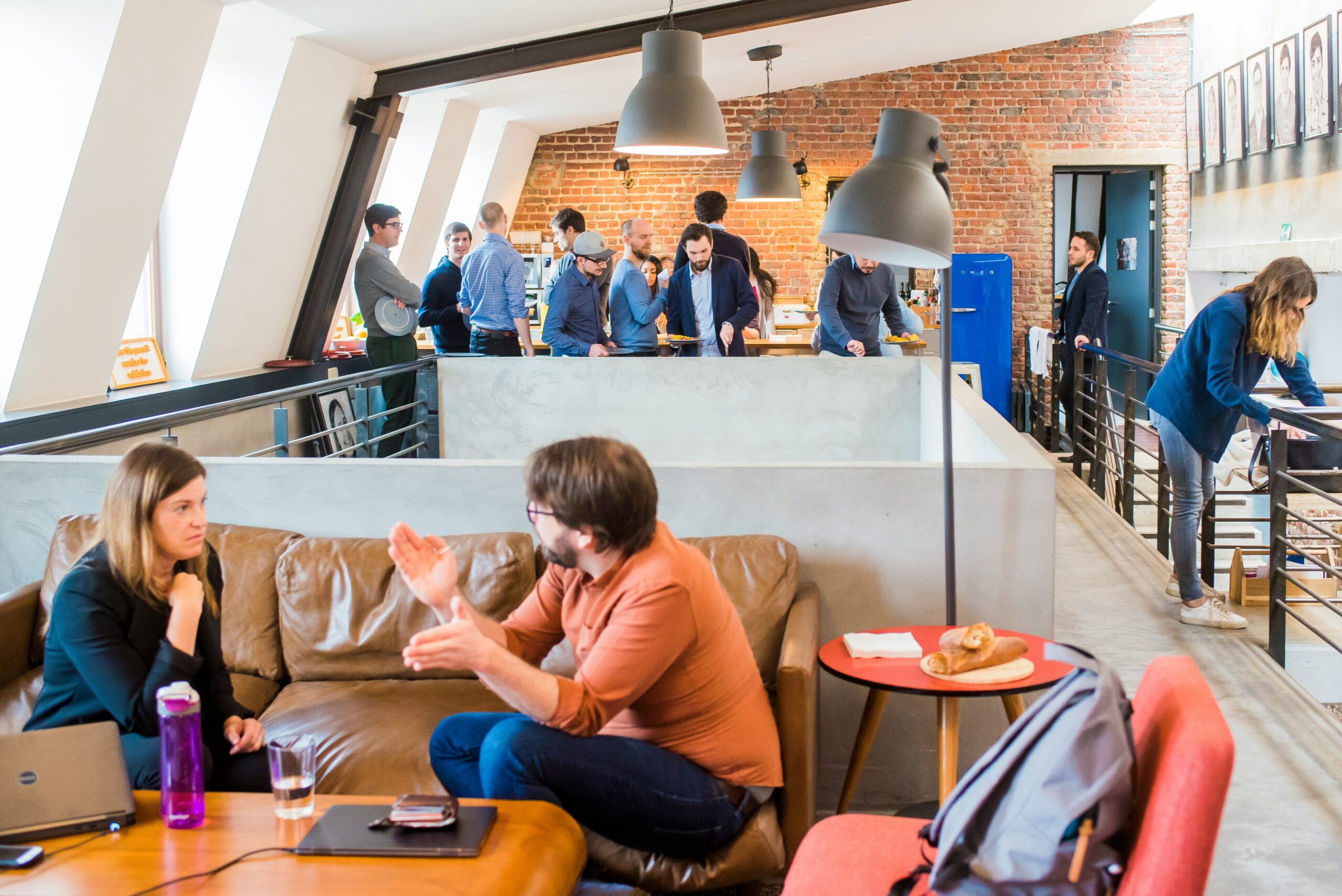
The shift to remote and distributed work has changed everything from hiring to collaboration, expansion, and beyond. Companies can now recruit beyond local markets, but must work harder to preserve culture and a sense of belonging without a central office.
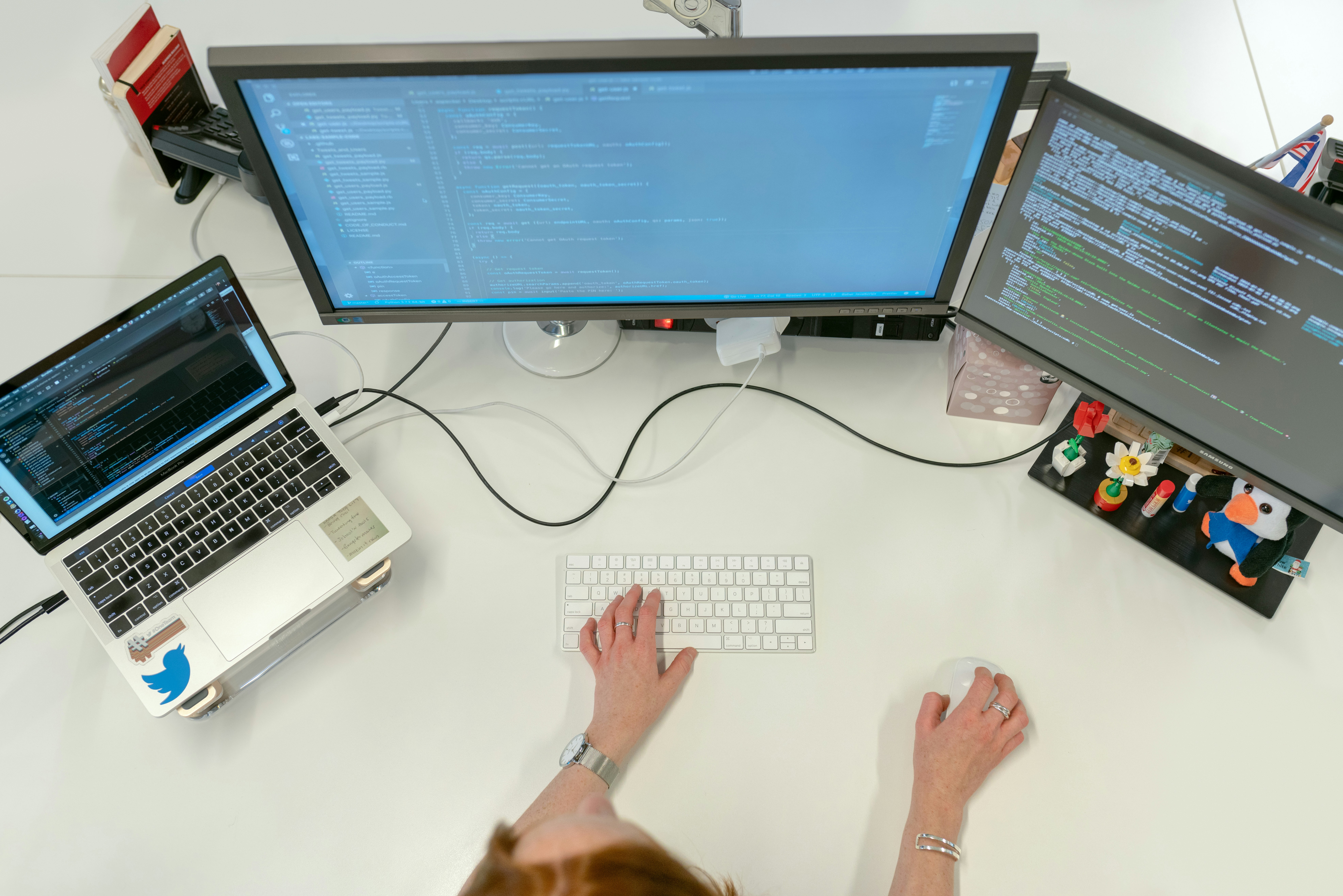
For Blanc, the change is felt in everyday operations. “You can hire someone who isn’t even in your region and work with them like they’re sitting right next to you,” he says. But removing geography introduces a new challenge that companies are still trying to solve.
“We suggest one day a week at the office, and more and more people just aren’t coming,” Blanc notes. “So the question becomes: how do you maintain culture and make people feel like they belong?”
In this way, remote work has not only proven to be immensely beneficial as a viable option for workers, but also for the companies themselves. The confines of what used to be possible have been blown completely open by these new technologies.
For example, if you find a top candidate who you feel would be a perfect fit for your company’s team, but who works on the other side of the country, the miles between you no longer need to be what ultimately makes your decision for you. Instead, the potential of remote work has removed geography as the end-all, be-all decision-making principle and allowed companies to instead focus more on the qualities that really matter.
AI Improves Speed, but Doesn’t Necessarily Mean Less Work
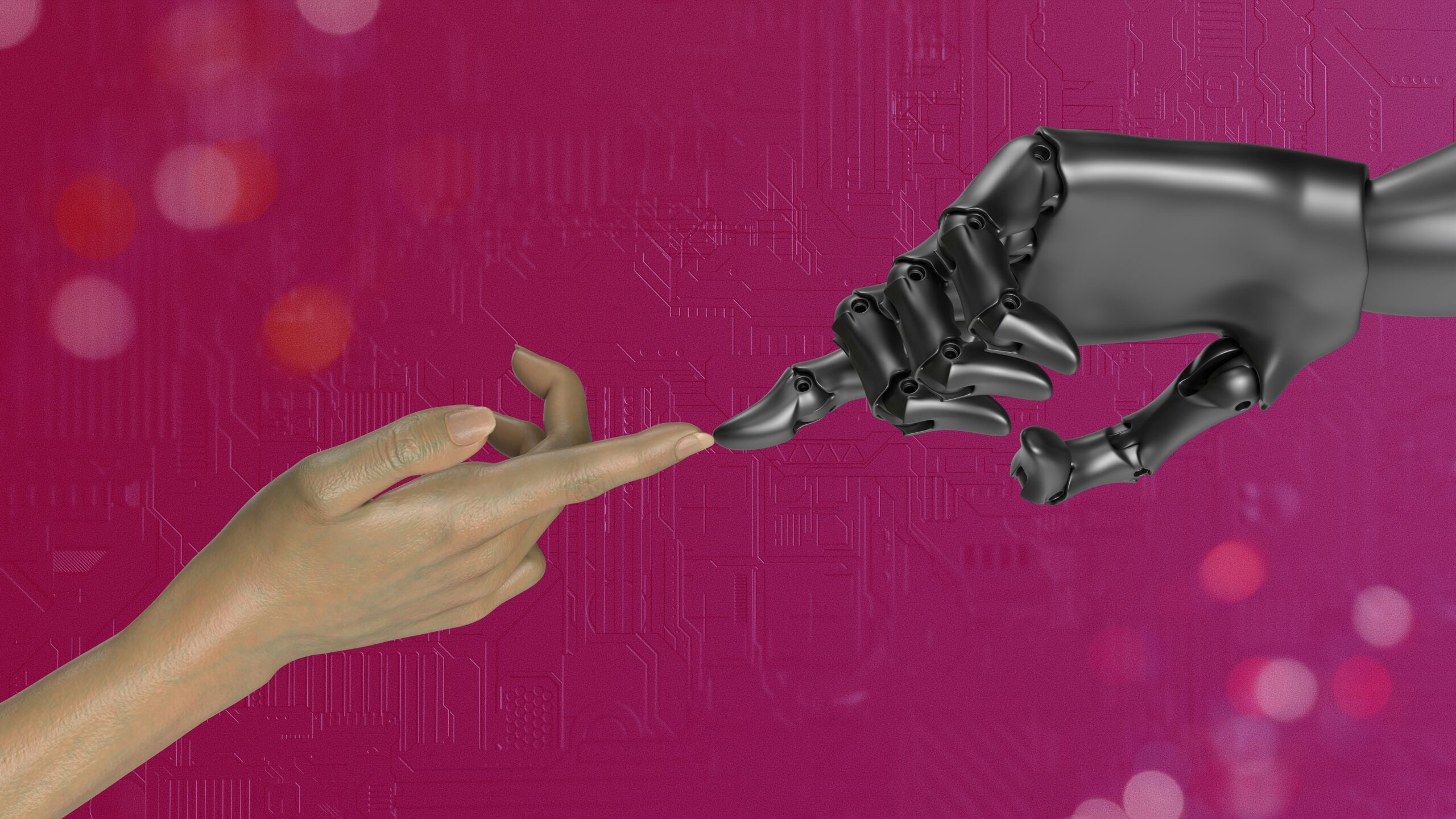
The paradox many companies face is that using AI tools reduces manual effort but often increases expectations and output volume. It is a cycle of escalation in which using AI may increase potential, but it also raises expectations of the company’s output. While this entire process has served to scare some companies into stagnation, the lesson it should be teaching is the ultimate value of using AI properly. AI can handle routine support, accelerate proposals, and improve internal workflows, all of which can help companies not only live up to these heightened expectations but ultimately surpass them.
Blanc points to customer support as one of the clearest examples of this shift in action.
“We have an AI agent taking care of 75% of all chats,” he explains. “It answers basic questions, filters requests, and only escalates when a human is needed.” This means efficiency and reallocation.
“I probably didn’t have to hire two or three more people in that department,” he adds. “Instead, I can invest that effort somewhere else.” But the time savings do not translate into less work. “I don’t feel like we’re working less,” Blanc says. “We’re taking on more responsibility because we can do things faster.”
That paradox sits at the center of AI adoption today.
Accountability Is Shifting from Time to Outcomes
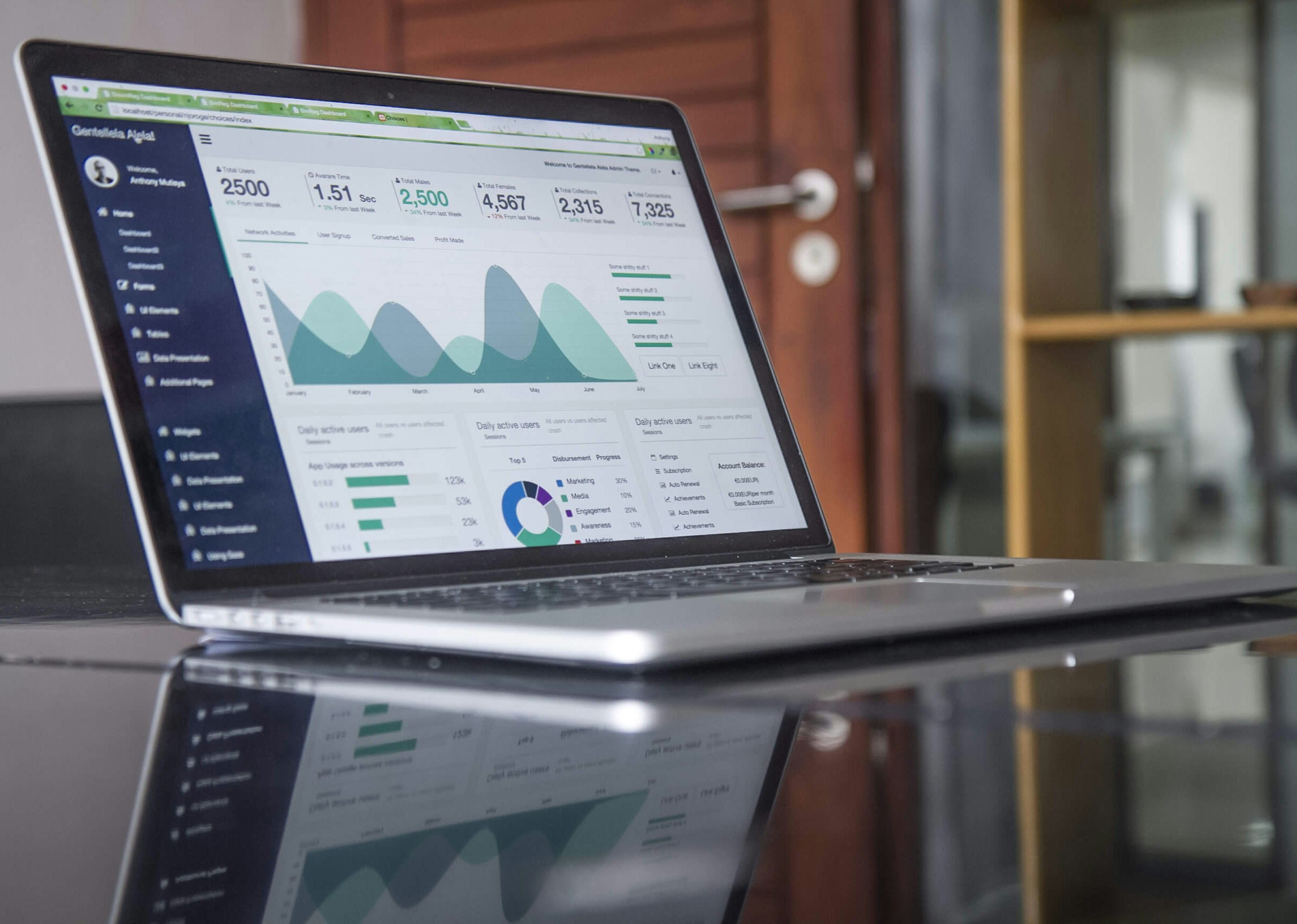
Over the course of the past few years, there has been a broader workplace trend away from monitoring hours and instead toward monitoring KPI-based performance. In many ways, this is a logical extension not only of the capabilities of remote work but also of the speed with which AI tools allow users to function.
Success in the workplace is no longer dictated by how many hours you spend in the office or logged into a company account, but rather by the quality of your work itself. Flexible work succeeds when leaders trust employees and also define measurable outcomes clearly. Through these measures, this new landscape is being defined in new terms.
Example in Action
Nihal Mandanna, Director of Growth at Cyberimpact, frames this change around trust and results: “I think, at its core, it comes down to trust.” He also details that this allows companies to “focus more on outcomes rather than inputs.”
That philosophy is reinforced at the leadership level. “For me, flexibility means if you meet the goals, I don’t care where you are in the world,” Blanc says. “As long as you’re doing your meetings and hitting your KPIs, you can work wherever you want.”
Mandanna goes further, reframing flexibility not as a perk, but as a responsibility. “You have to make sure you’re justifying that trust,” he adds.
Together, these perspectives reflect a broader idea that flexibility is no longer granted through policy alone, but maintained through performance.
Cyberimpact uses weekly and monthly KPIs to measure results, trusting employees to manage their time and location as long as goals are met. Through their work, the team has found that successful AI adoption requires a strategic, departmental rollout. The key is using AI to solve specific process bottlenecks rather than as a general replacement for human work.
Final Thoughts
The future of flexible work will likely belong to organizations that build trust, define outcomes clearly, and use AI as practical infrastructure rather than as a shortcut. The companies that win will be the ones that pair human judgment with better systems and embrace the opportunities these new technological tools present, rather than shying away from them for fear of failure.