
Image credit: Pixabay
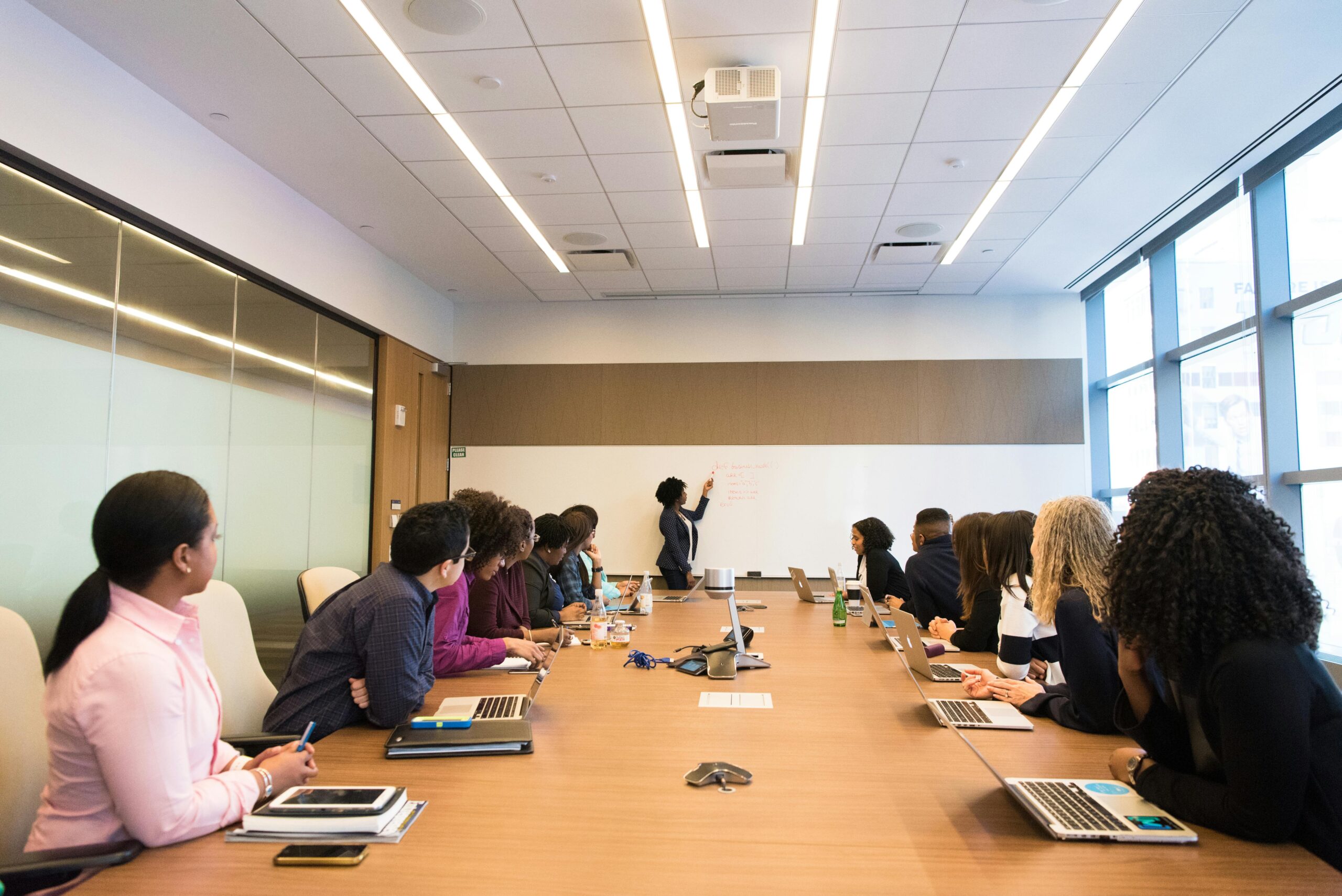
The contemporary workplace presents greater challenges for time management because of its fast-paced nature. People now work under new conditions that arise from their need to handle continuous notifications, their struggle with excessive email demands, and their duty to reply instantly. Professionals today face continuous disruptions because their work culture lacks organized time blocks.
The result is a growing sense of pressure to do more in less time. Yet experts increasingly argue that the solution is not about squeezing additional tasks into already packed schedules. The new approach now concentrates on making superior choices that combine priority selection with energy management.
Modern productivity thinking suggests that effective time management is less about speed and more about clarity. Professionals who succeed in high-pressure environments are learning to concentrate on the tasks that actually move work forward.
Prioritization Over Busyness
One of the most noticeable shifts in workplace productivity is the move away from measuring output by activity alone. Instead, professionals are increasingly examining which responsibilities produce real outcomes. Time audits, realistic task planning, and the willingness to eliminate low-value work are becoming essential.
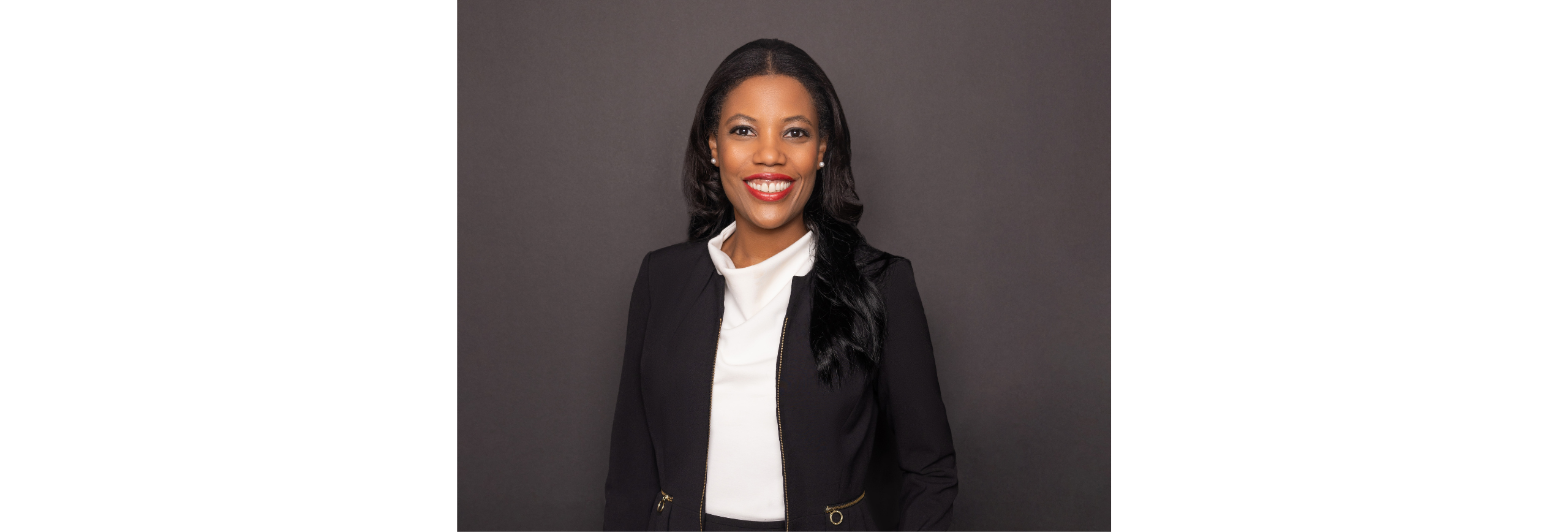
Monisha Longacre, Founder and CEO of Productivity 101, emphasizes that productivity begins with choosing the right priorities. As she explains, “Being productive or, you know, excelling at time management is not about doing everything but doing the right things.”
Focus as a Competitive Advantage
Another emerging theme in time management discussions is the growing importance of deep focus. Despite the popularity of multitasking, workplace experiences show that dividing attention often reduces both efficiency and quality. Focused work sessions, distraction management, and completing one task before moving to the next can significantly improve performance.
Nikita Khandheria of ERIA highlights the operational benefits of this approach. “Efficiency is also just like giving 100% attention to something and then moving on to the next thing,” she says.
Flexible Systems Beat Rigid Routines
While structure can support productivity, rigid schedules rarely survive the unpredictable nature of modern work. This is leading many professionals toward adaptable systems rather than fixed routines. These systems may include regular calendar reviews, customized to-do lists, and realistic expectations about what can be accomplished in a day, encouraging adjustments when priorities shift.
Vishakha Mathur, a communications expert, highlights the value of adaptability. “I just recommend that folks stay flexible and create repeatable systems for themselves to better manage their time,” she says.
Delegation, Team Design, and Smarter Decision-Making
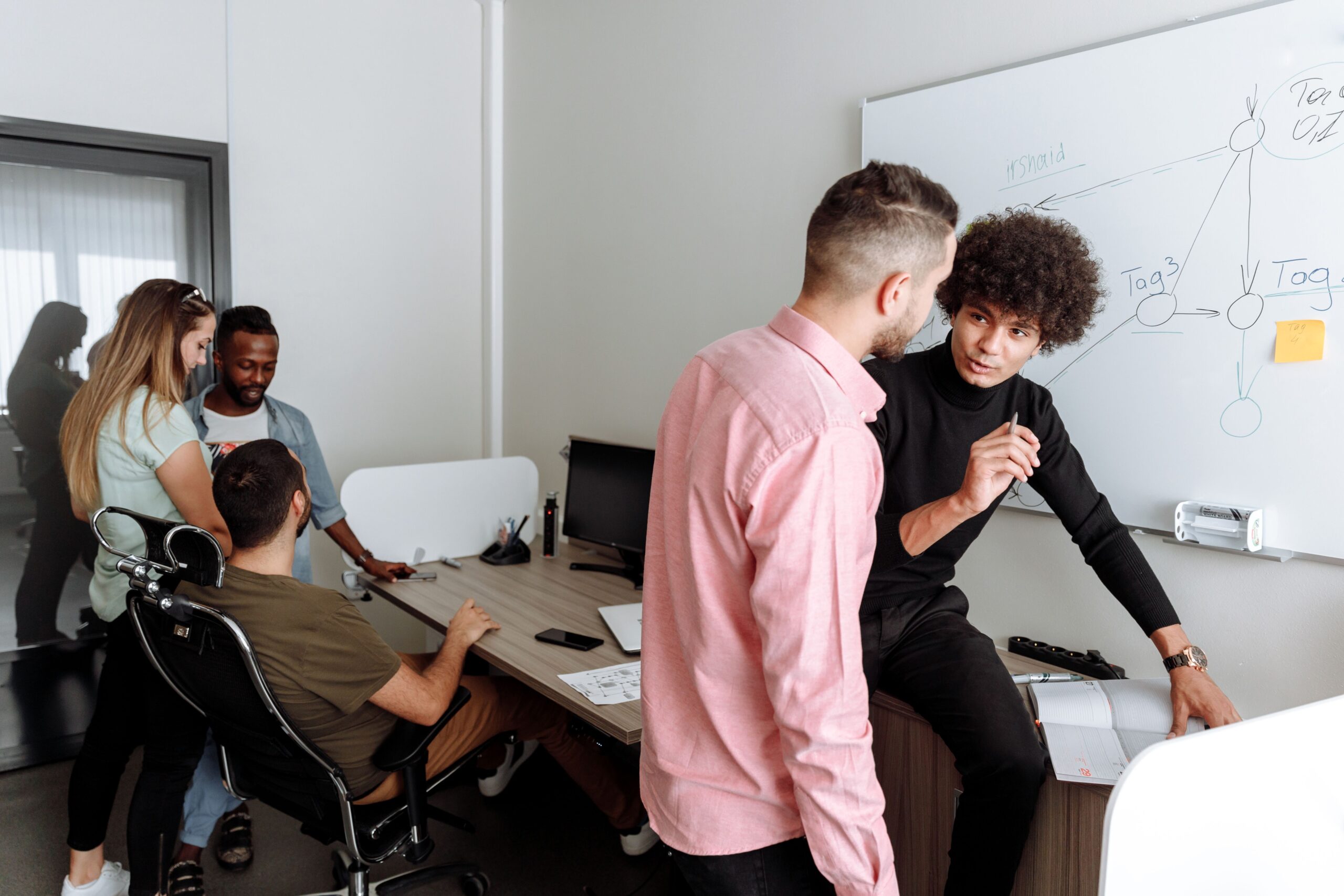
Time management is not solely an individual responsibility. Organizational structure, team design, and workflow efficiency play an equally important role. Delegation, documented processes, and separating strategic thinking from routine execution can help teams move more efficiently.
Andrew Bahlmann, Founder of Deal Leaders International, notes that sustainable performance depends on disciplined prioritization rather than extended hours. “Long-term performance is achieved through disciplined focus and prioritization, not long hours.”
Technology Helps When Used Intentionally
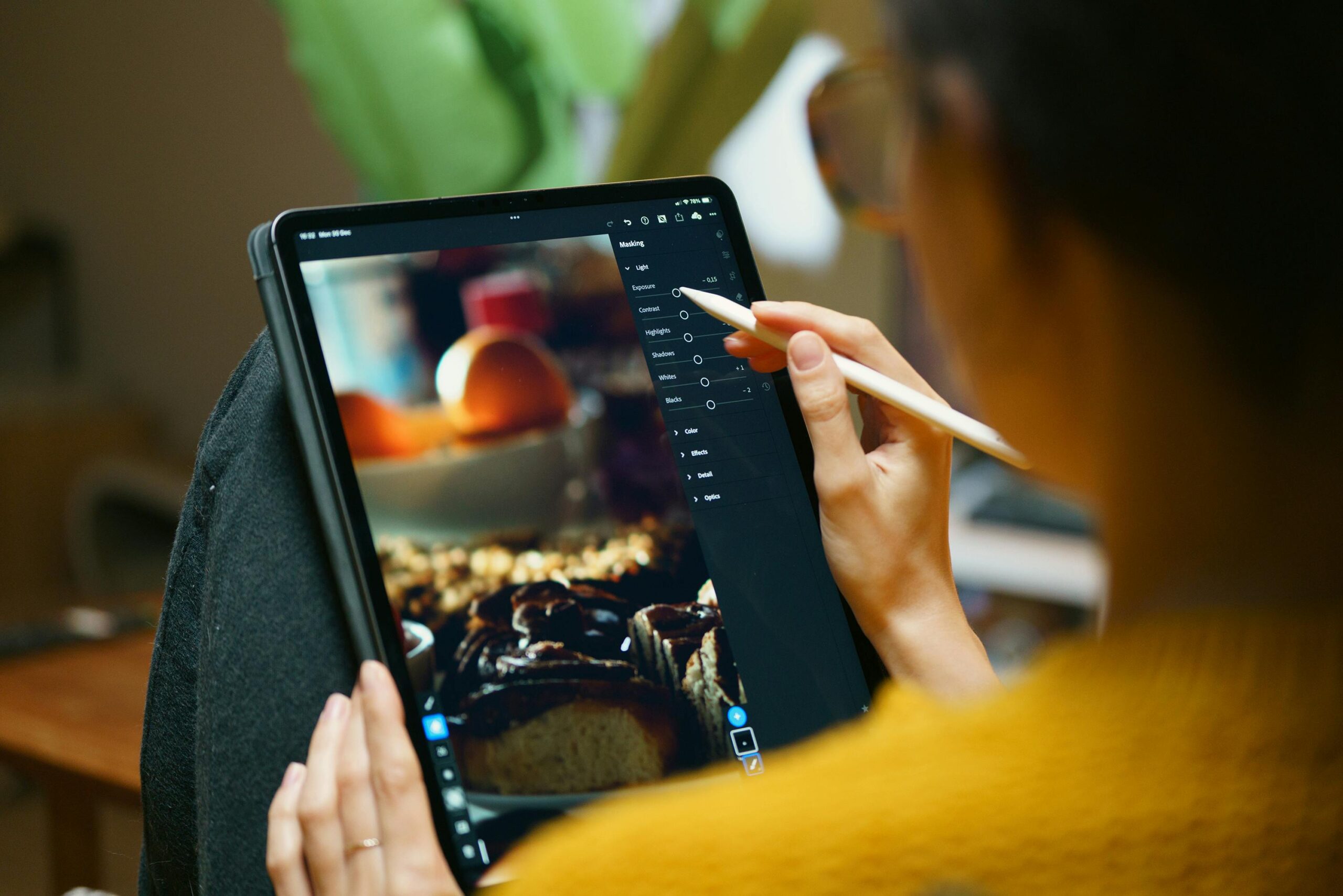
Digital tools have also transformed how professionals manage time. Artificial intelligence, automation, and productivity apps can streamline tasks and reduce administrative workload. However, these same tools can also create new distractions if used without intention.
Paige Arnof-Fenn, Founder and CEO of Mavens & Moguls, warns that technology must be applied carefully. “It can save time and money if used wisely but can also consume attention and energy.”
Sustainable Productivity and Work-Life Integration
As conversations around productivity evolve, many professionals are shifting their focus from pure efficiency to sustainability. Long hours and constant availability often lead to burnout rather than improved results. Instead, effective time management increasingly includes energy management, realistic workloads, and protecting time outside work.
Across industries, professionals are discovering that focus, flexibility, and intentional choices create a healthier balance between work demands and personal life.
Final Thoughts
Ultimately, modern time management comes down to discernment. Professionals need to identify their most important tasks while safeguarding their focus and using their resources in a responsible manner. The best work methods require employees to establish their own personal productivity systems that can adapt to their increasing duties even in changing working conditions.