
Image credit: Pixabay
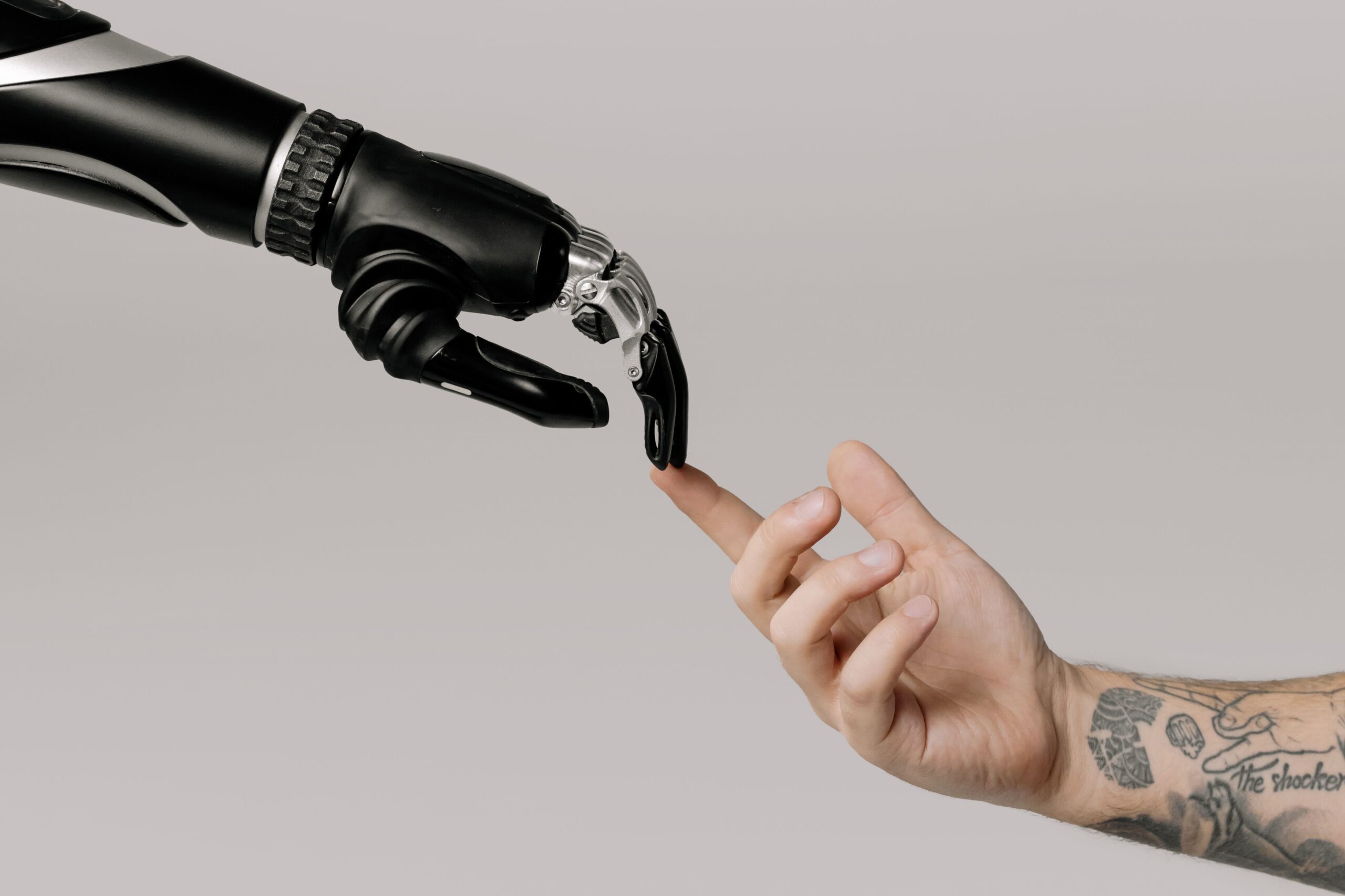
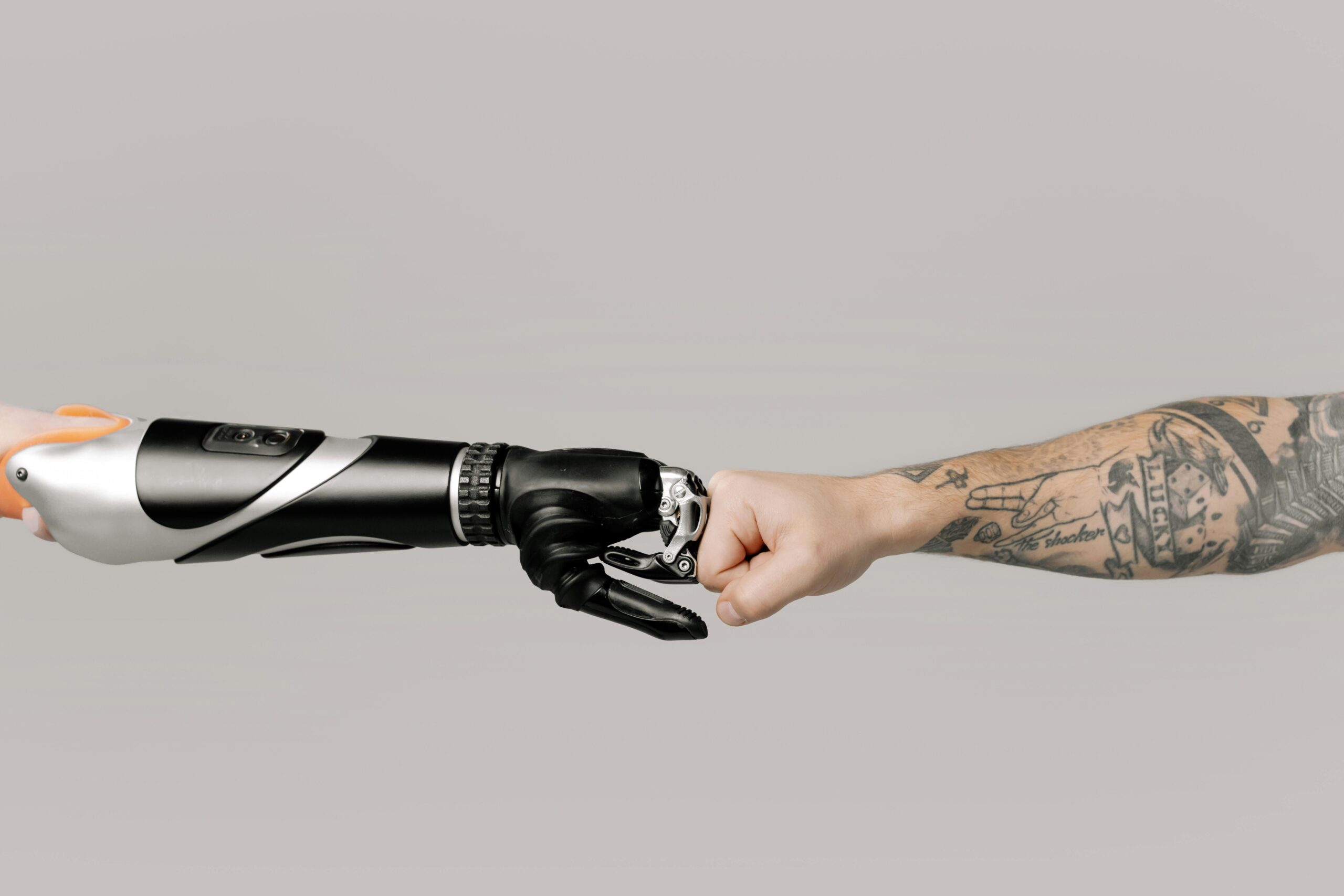
Despite the growing integration of automation, businesses are realizing that the real advantage lies in pairing the best AI tools with sharp human insight.
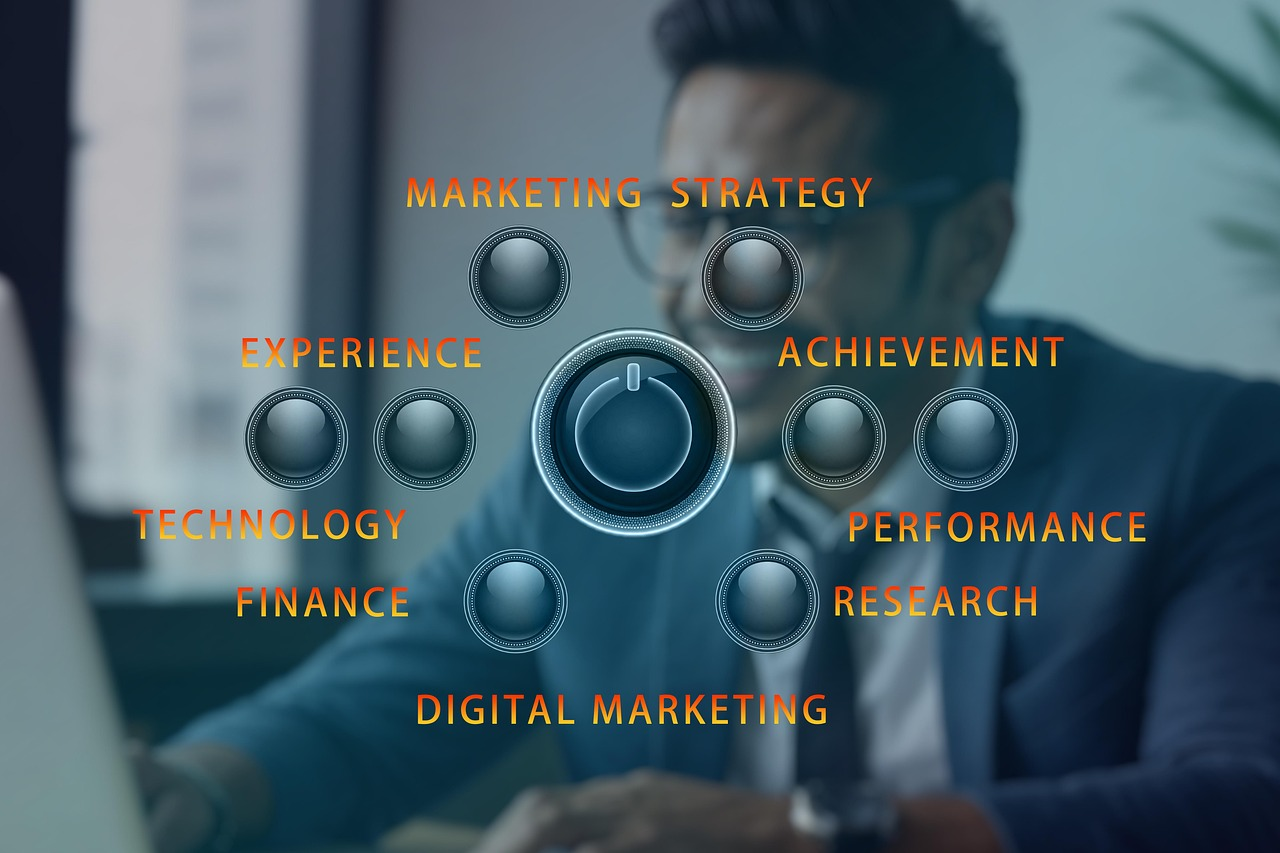
The current development of artificial intelligence is transforming marketing practices at an unexpected pace. AI tools enable businesses to achieve exceptional operational capabilities with campaign automation and predictive analytics. The rising number of available tools is posing a new challenge for marketers to select suitable tools that can streamline the complexity of their work. The current discussion has moved from access to AI to implementation of AI with clarity, strategy, and human oversight.
The Shift Toward Specialized AI Tools
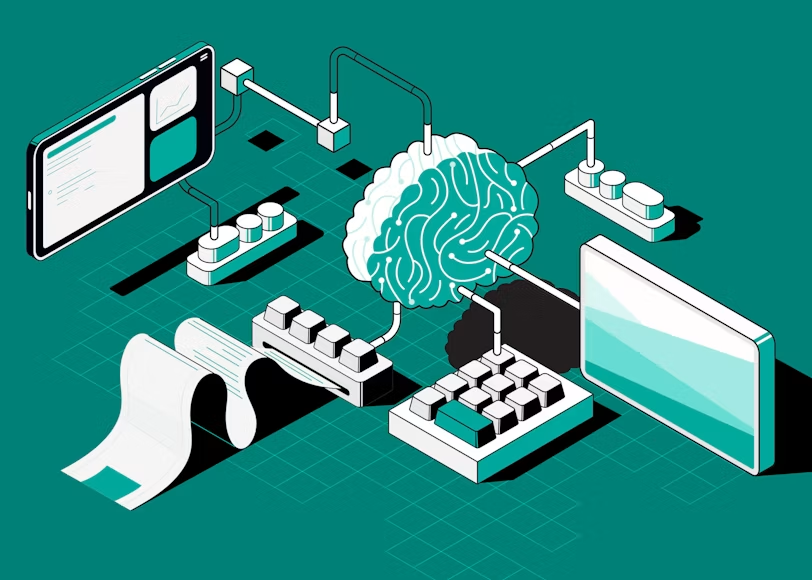
One of the most notable trends is the shift from all-in-one platforms. Marketers are now embracing specialized AI tools for distinct functions such as research, automation, and content creation. Marketing teams have realized that no single platform can excel at every task, so they are assembling a toolkit of solutions that address specific needs with greater precision.
This modular approach is providing the kind of flexibility businesses need to adapt quickly to new technologies and cater to the evolving demands of campaigns.
Custom AI Strategies Over One-Size-Fits-All
This shift is also leading toward customization, where businesses are no longer forcing their workflows to fit into rigid systems. Instead, they are designing AI strategies that align with their internal processes.
Ben Metcalfe, Founder of ClearBeacon, explains this approach, “Different tools and different providers have sort of specialists in different things… we sort of, as humans, bring them all together to give the best output for ourselves and also the client as well.”
AI Enhances, Not Replaces, Marketing Fundamentals
Despite rapid technological advancements, the core principles of marketing remain unchanged. AI tools are accelerating task execution and search visibility, but they are not altering the fundamentals.
With the rapid evolution of AI, many companies are trying to keep up. “This whole concept of AI search visibility is really a big, important issue that I don’t think most brands or companies recognize,” says Carmen Hughes, founder of Ignite X.
Efficiency vs. Quality: Finding the Balance
The power of AI to automate repetitive tasks has significantly improved efficiency across marketing teams. From drafting content to analyzing data, these tools reduce time spent on routine work but fail to achieve the right balance.
Rob Twells, Founder of The Digital Maze, explains, “We’re… doing the grunt work done faster so we can spend more of our time on the value-add stuff.”
According to him, automation should free marketers to focus on strategy, creativity, and decision-making as human judgment remains indispensable in these areas.
The Ethical Challenge: Authenticity in the Age of AI
As AI-generated content becomes more sophisticated, authenticity and trust may be a concern. Audiences are now more discerning, which has increased the risk of misrepresentation.
Nathaniel Allenby, Founder of Cirque Quirk, highlights this concern: “The story is the brand, and authenticity is the only differentiation strategy that compounds over time.”
Maintaining genuine brand narratives is emerging as a key challenge in an AI-driven environment.
Why Transparency May Be the Future of AI Marketing
Industry leaders are advocating for greater transparency in AI-generated content. Clear disclosure is now seen as an essential element to gain and preserve trust and accountability. With changing regulations and consumer expectations, transparency is no longer just a best practice but a competitive advantage.
Final Thoughts
The future of AI in marketing does not lie in discovering a single, definitive tool. Instead, success will depend on building a thoughtful ecosystem that combines specialized technologies with strategic oversight, ethical considerations, and human insight.