Image credit: Pexels
As AI-powered platforms streamline production workflows, creators are publishing faster, reaching wider audiences, and redefining content creation at scale.
The rapid advancement of multimodal artificial intelligence is changing the way creators develop and distribute content. Tasks that once required separate tools and specialized skills, from scripting and production to editing and publishing, are now being consolidated into unified AI-driven workflows.
This change has led to a new generation of multimodal creators. They are individuals and teams using AI tools to produce content across multiple formats with greater speed and efficiency. As audience demand for fresh content rises, creators are looking for technologies that help them move from concept to publication without the traditional bottlenecks of production.
For roughly 80% of creators who prioritize reach over polish, the conversation has evolved beyond whether AI can support content creation. Instead, the focus is on platforms that can simplify workflows enough to help creators keep pace with audience expectations.
Platforms Focus on Speed and Accessibility
Among the companies responding to this demand is Magic Hour AI, a platform designed to reduce the complexity often associated with AI-powered content creation.
The company was founded by Runbo Li, who encountered firsthand challenges while attempting to create short-form video content for his family’s business. The experience highlighted how fragmented the production process had become, requiring creators to juggle multiple tools and responsibilities simultaneously.
Reflecting on that experience, Li said, “I just remember how hard it was to do the entire process, coming up with an idea, writing a script, shooting it, editing it. It’s like a lot of weight that you have to carry in your head. My whole mission with Magic Hour is to take what I’ve experienced and give it to as many people as possible.”
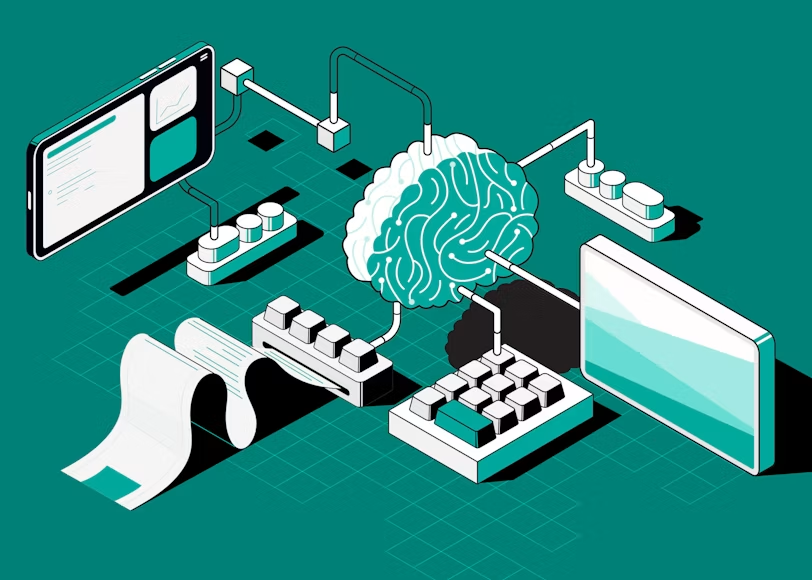
That mission has resulted in a platform aimed at automating much of the technical work behind content creation. Magic Hour handles model selection, chains together multi-step workflows into single-click actions, and provides remixable templates that allow users to rapidly test and refine ideas.
As a result, creators can focus more on content strategy and audience engagement rather than managing complex production pipelines.
Quality Improvements Accelerate Adoption
The broader rise of multimodal creation is also being fueled by improvements in AI-generated media quality. As image and video generation technologies continue to advance, the gap between AI-generated and traditionally produced content is narrowing.
According to Li, recent developments have marked a significant turning point in visual content creation.
“We crossed that threshold last year, in the second half, where outputs generated using AI models, using the leading ones, are impossible to distinguish from real photos anymore. Harnessed correctly, it can be used to create cinematic content that previously was more gated,” he said.
Such advances are helping creators produce content that would have previously required larger budgets, specialized expertise, or extensive production resources. The result is a more accessible creative environment where individuals and small teams can compete for attention alongside larger organizations.
The growing acceptance of these tools is reflected in user adoption. Since its launch, content created through Magic Hour has generated more than 500 million social media views, illustrating how many creators are embracing AI-driven workflows to increase output and audience reach.
Adaptability Becomes a Competitive Advantage
As multimodal tools become more common, industry observers suggest that success will depend not only on technology but also on a creator’s ability to adapt.
AI platforms continue to evolve rapidly, while audience preferences and social media trends shift just as quickly. In that environment, flexibility is emerging as a critical skill.
Li emphasized the importance of continuous experimentation and audience understanding:
“Being very adaptable is key, tools change constantly, trends change constantly, and you want to be someone who’s flexible, able to pick things up and adapt and iterate based on the data you see. It’s also critical to understand your end consumer on a deeper level, because that will help you design content that appeals to them.”
The Rise of the Multimodal Creator
The emergence of multimodal creators signals a broader transformation in digital content production. As AI continues to lower the barrier between an idea and a published post, creators are gaining access to tools that streamline execution and accelerate distribution.
Multimodal creation has become a standard component of competitive content strategies. The creators aiming to thrive will be those who embrace experimentation, adapt to changing technologies, and use AI-powered workflows to close the gap between audience demand and content delivery.