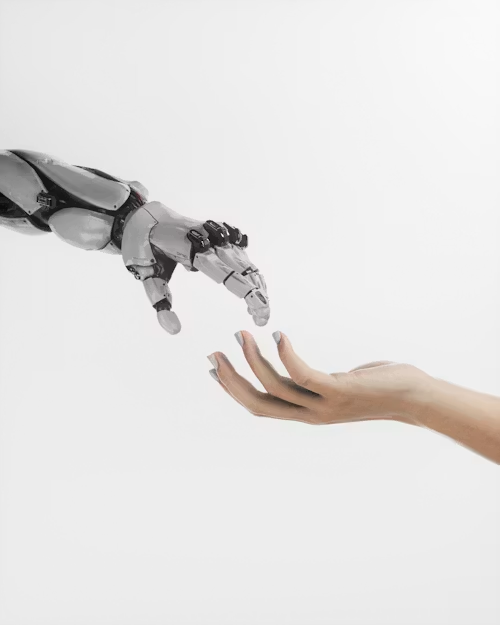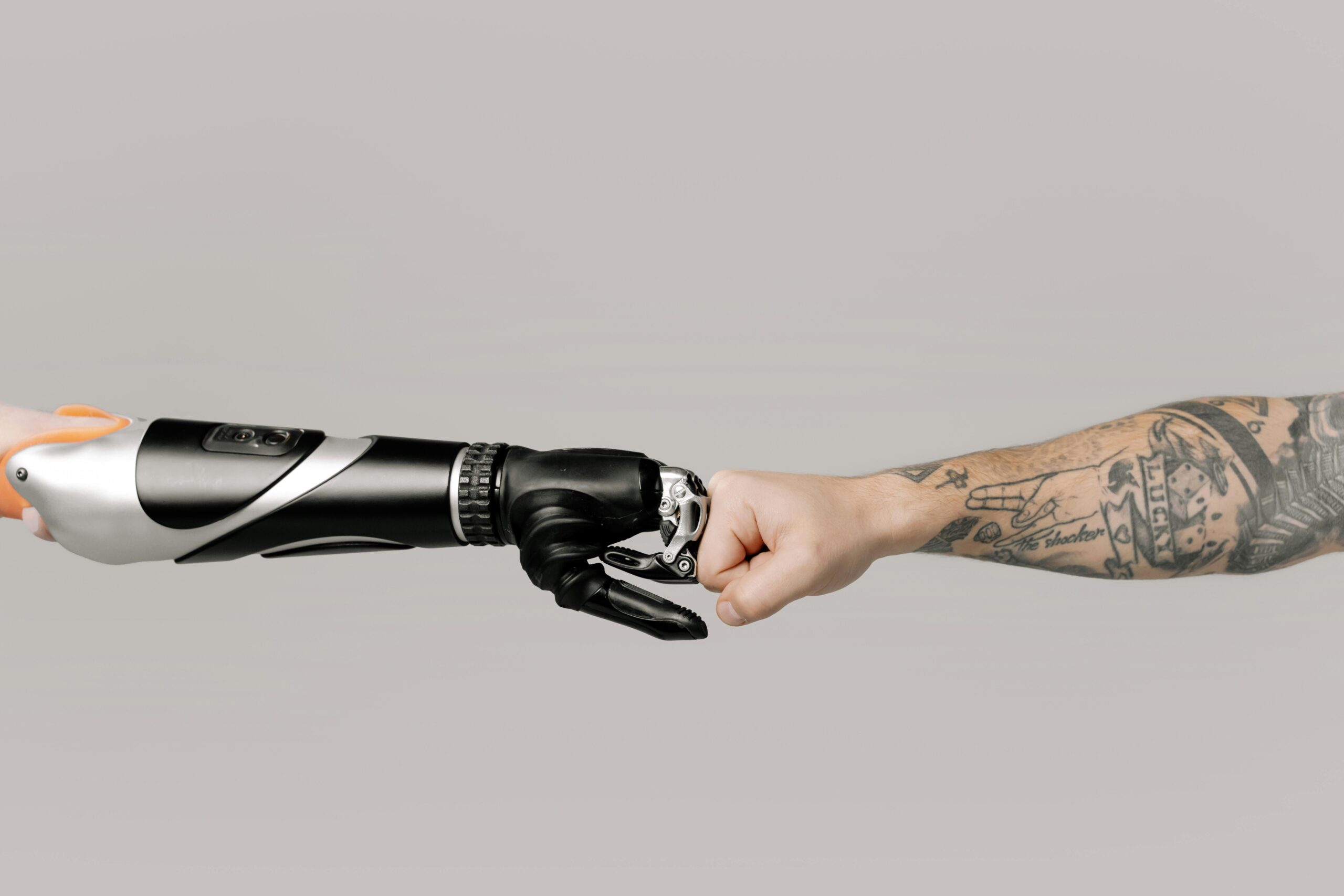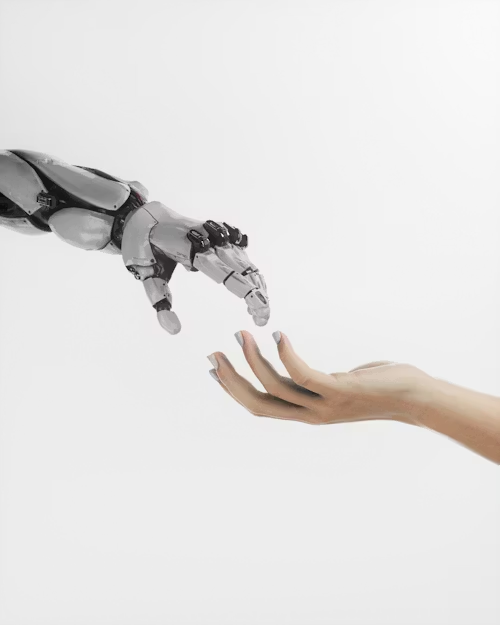

Across industries, the conversation has shifted from human resources to how people and AI coexist, exploring the balance between technology’s influence and the human element in modern work.
Artificial intelligence has grown to play a complex role in the digital environment, as a tool that’s much more than simply automating routine tasks. Instead, AI is reshaping the daily schedules of product teams so they conceive, build, and deliver software. Companies have re-envisioned their entire tech stack, from speeding up development cycles to troubleshooting systemic bottlenecks.
The newest discussion across industries is understanding how people fit with AI and its influence, when human resources alone was previously the conversation. Leaders share a challenge in understanding how to combine AI’s speed with human intelligence, making the role of people central to strategic decision-making.
Adoption Without a Strategy: The Human Gap in AI
Prioritization overload is a drag on product teams in the AI environment, ultimately leaving them unable to determine what’s truly urgent, according to Jackie Cook, founder and CEO of Momentum Group. The leadership navigation and product development firm sees this as a result of a major flaw in the business world today: companies are rushing to adopt AI tools without transitioning the human side of communication.
This is a pressure point in modern product development, as companies make major investments in AI tools but don’t take the time to train employees or define how to redirect the time saved by AI technology. Instead, sales, marketing, and executives are directing too many data-driven inputs to product teams in an attempt to help them define timelines and the most important tasks.
“AI is really good at processing information, pulling the data, identifying patterns across mass amounts of data, summarizing things that it would take a human months, weeks, hours to do. But the human intelligence part is what actually gives the information meaning and provides the context. That’s where I think they balance each other. They have to marry each other,” said Jackie Cook, Founder & CEO, Momentum Group.
Speed Creates New Bottlenecks: When QA Can’t Keep Up
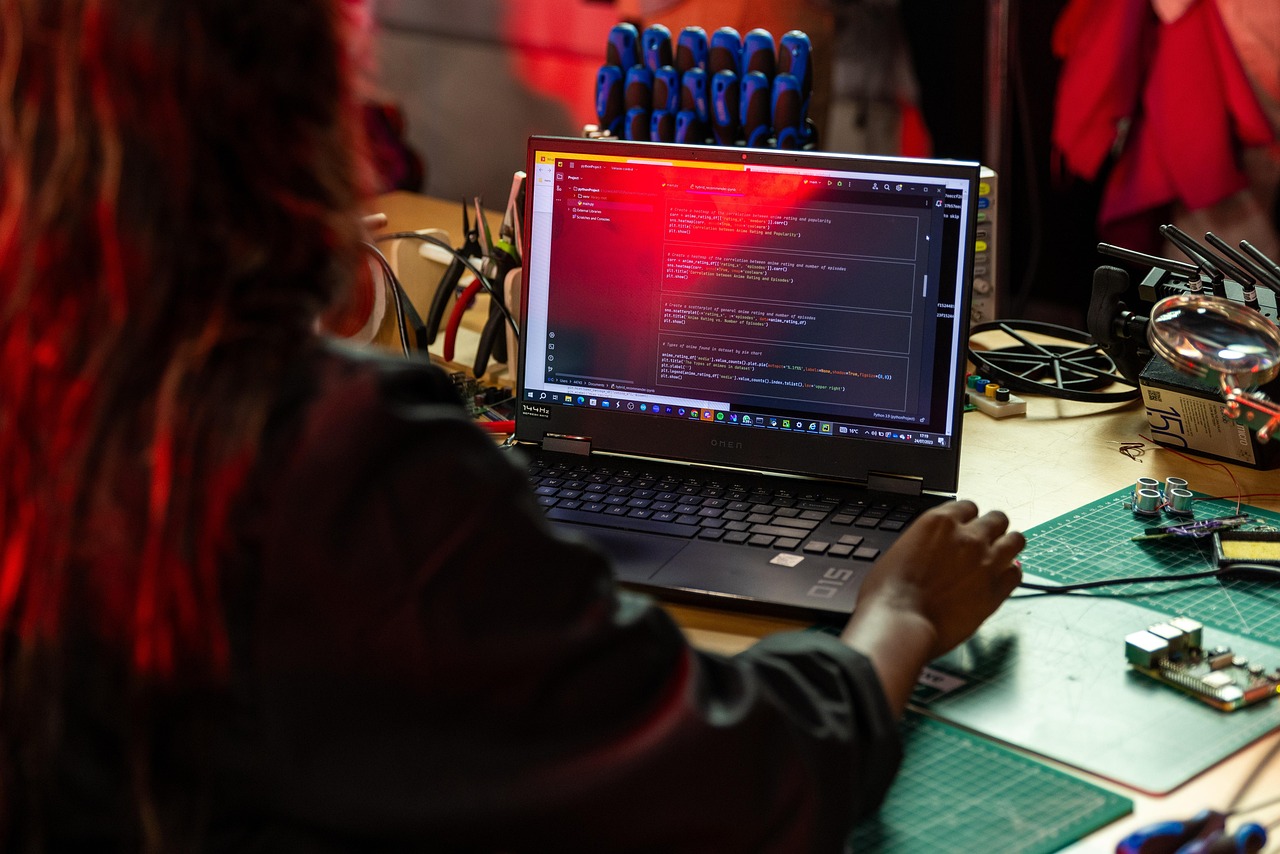
The challenge for product teams has changed from development speed to quality control, among groups using AI coding assistants, an evolution Testify founder and CEO Abhishek Shah has witnessed. His company is an AI-based skill assessment platform. Thanks to this shift, the Testify engineering team’s output has increased by three to four times since adopting Claude Code, as the QA team became the new constraint.
Disciplined prioritization is more critical than ever, in light of the rapid pace of AI-assisted development. Building fast has become the easy part. The real skill is now knowing what to avoid building. “You can build a very large product very quickly using AI, and your product can become very bloated in a short period of time because you can do things so much faster. Having the discipline to simplify and really build a very intuitive product, identifying the key 20 percent of items that would drive 80 percent of the value, is the core challenge,” Shah said.
AI Exposes What Was Already Broken
The greatest effect on product development is what it reveals, according to leadership coach and advisor Rajan Seriampalayam of RadiantSHIFT Advisors. Seriampalayam has more than 30 years in the technology leadership field. He helps leaders understand that AI doesn’t create problems: the technology simply quickens the pace at which pre-existing issues surface. Systemic issues have existed within business for generations before AI gained attention. They include slow customer insight cycles, tech adoption gaps between technical and non-technical roles, and murky decision-making boundaries between humans and customer service. Seriampalayam said the key challenge today is defining the limitations.
“In a large enterprise, you cannot just crunch out code and ship it to customers. You need to think about architectural implications, what other applications are interrelated with it, what are the security and compliance decisions, the governance that comes with being compliant to SOC, PII, PHI. For that, a human being is in the decision-making process today,” he said.
AI will continue to lead the evolution of the processes behind how products are built, but it’s not the technology alone that drives momentum into a new world. Companies that remain competitive are investing more heavily in people, processes, and decision-making than in digital tools. AI has a powerful role to play in blurring boundaries, revealing customer insights, and accelerating development, but it can’t replace human judgment.