
Image credit: Pexels
More than performance and potential, the balance between technology and human judgment is becoming a winning hiring strategy.
The hiring process has become more complex, as organizations struggle to select suitable candidates. Remote work has become common, and artificial intelligence is producing job applications, making hiring highly competitive for businesses.
In this scenario, a combination of performance, potential, and cultural alignment is becoming the perfect definition of “top talent.” The transformation highlights what makes a candidate valuable, not just today but over time.
Understanding the Concept of “Top Talent”
Traditional hiring metrics, such as screening of resumes for years of experience, are no longer relevant. Organizations are choosing a more layered perspective that balances immediate performance with long-term potential. The emphasis is on building teams that can evolve with changing business needs.
Katie LaFranchi, HR Leader at Amplēo HR, explains this shift, stating, “For me, it is performance plus potential.” Her perspective shows how hiring decisions should account for future growth, not just past achievements.
Similarly, Hannah Koeller, HR Consultant at HR Zen Den, emphasizes the importance of ambition alongside capability. “You need people who are excellent at what they do and people who want to continue to strive to do more and can help your business grow,” she says.
Why Culture Fit and Team Dynamics Matter More Than Ever
With changing hiring strategies, cultural alignment has become a decisive factor. Companies are wary of high performers who may disrupt team cohesion. The debate between hiring a “lone star” versus a “team player” continues, but the trend leans toward collaboration.
Adam Calli, Founder and Principal Consultant at Arc Human Capital, LLC, highlights the broader impact of hiring decisions. “Top talent is those who make the best impact, both externally on your company and internally on their team,” he notes.
Matthew Smith, a partner at Charts+Darts, believes in the importance of fostering culture within a company. “I think it’s really the sense of cultural and individual belonging that we’re trying to make an impact with.”
Is Technology a Helpful Tool or Hiring Obstacle?
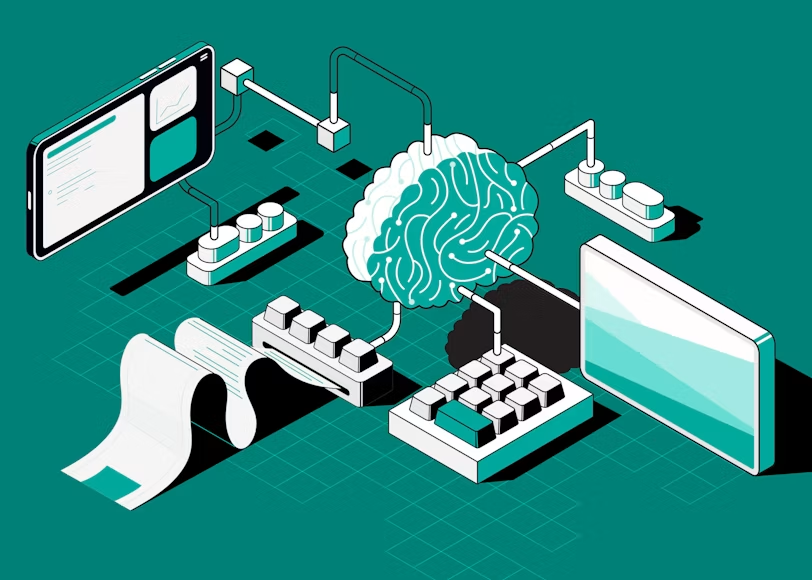
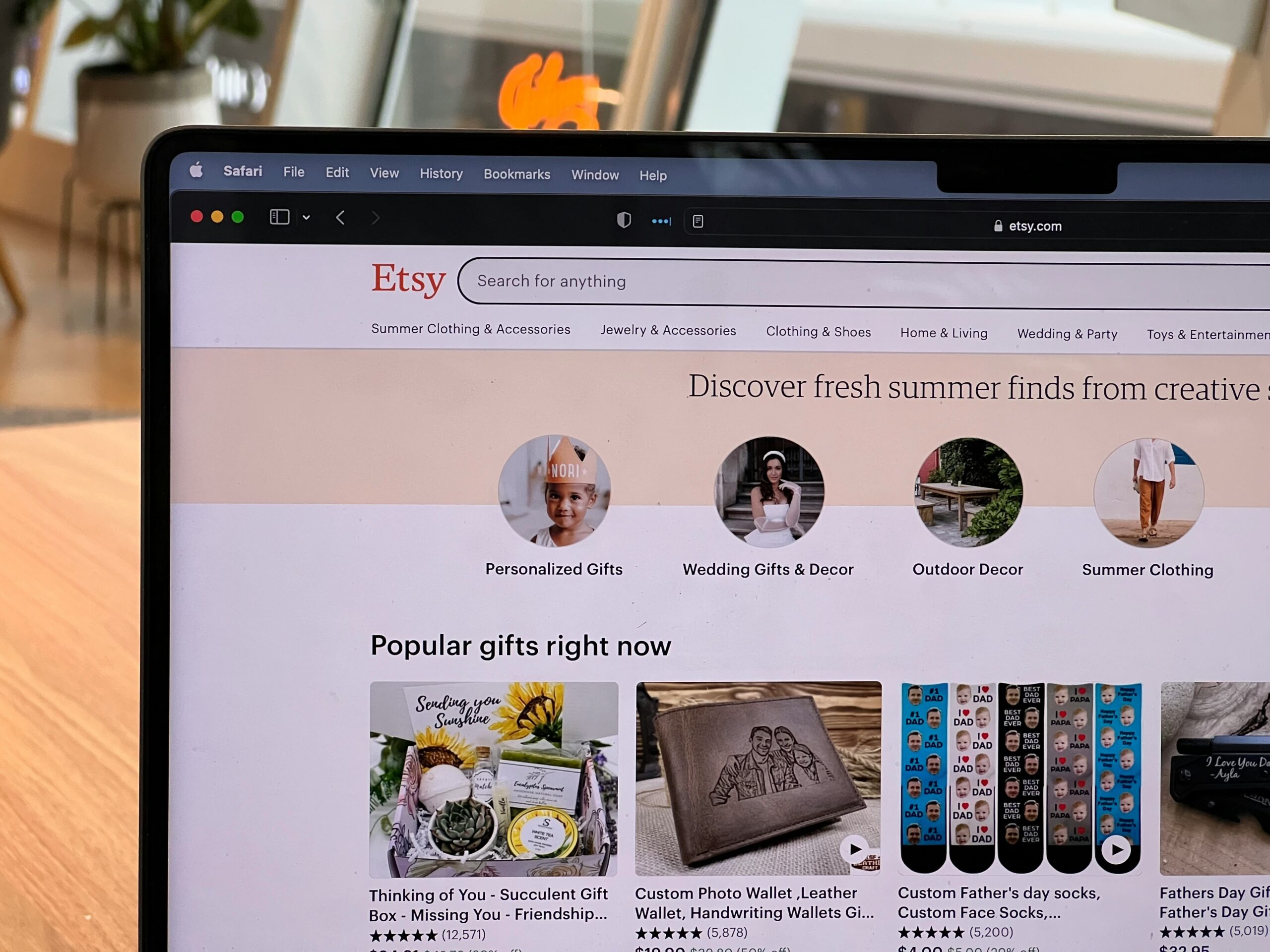
Technology has transformed recruitment, but not without complications. Platforms like LinkedIn and other social media channels have accelerated sourcing, while automation has reduced administrative burdens.
However, the same tools have introduced new challenges. AI-generated resumes and low-intent applicants have increased noise in hiring pipelines, making it harder to identify genuine candidates. HR Zen Den describes this dynamic as a double-edged sword, where efficiency often comes at the cost of clarity.
The Rise of the Informed Candidate
Today’s candidates are well-informed, actively researching company values, assessing online presence, and analyzing employee reviews before applying for a job.
This transparency has become a competitive advantage. According to Arc Human Capital, a company’s digital footprint and alignment with candidate values are critical to decision-making. Organizations that communicate clearly and authentically are better positioned to attract serious applicants.
Winning Strategies for Attracting Top Talent
To stand out, companies are changing their hiring strategies. Clear role definitions and well-structured expectations help attract candidates who are genuinely aligned with the position.
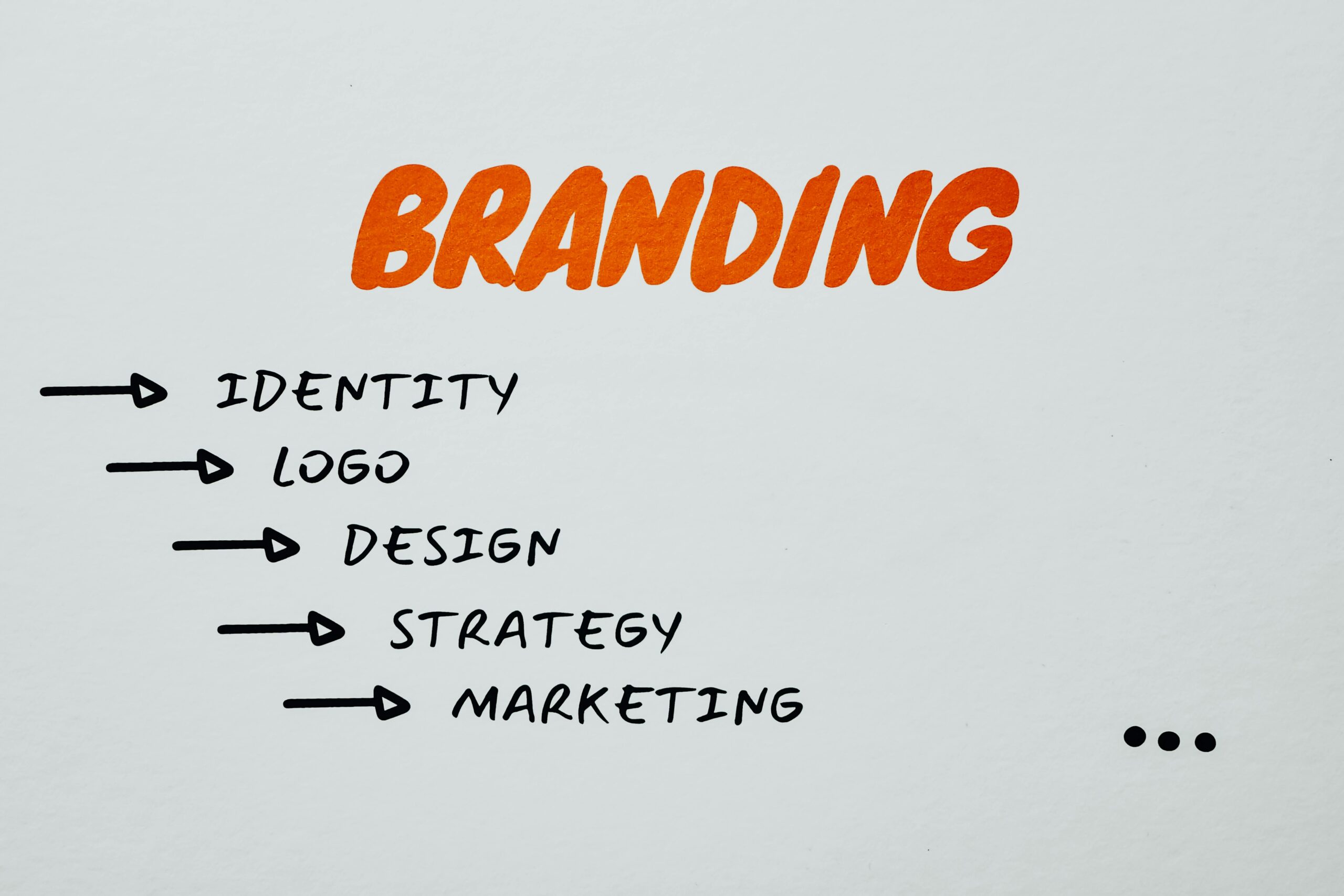
Employer branding has also emerged as a key differentiator, shaping how organizations are perceived in the market.
Transparent communication, particularly around salary, responsibilities, and growth opportunities, has become essential. At the same time, persistent outreach to passive candidates ensures access to a wider talent pool.
LaFranchi emphasizes the importance of discipline in hiring, advocating for structured and intentional processes that reduce guesswork and improve outcomes and consistency.
Retention Is the New Recruiting Policy
As competition intensifies, retaining talent has become just as important as attracting it. Replacing employees is costly, both financially and operationally, prompting organizations to focus on long-term engagement.
Culture, career development, and leadership quality are the foundation of retention. HR Zen Den’s philosophy explains this approach, suggesting that a strong workplace culture naturally drives referrals and attracts talent. The emerging mindset now is “recruiting is retention.”
Hiring for the Future, Not Just the Role
The modern hiring strategies adopt a forward-looking approach. Companies are moving beyond short-term needs to invest in talent that can grow with the organization.
Success lies in striking the right balance of performance and potential, technology and human judgment, individual excellence and team cohesion. Organizations that achieve this balance are more likely to secure top talent in any competitive market.