
Image credit: Pexels
Balancing flexibility, productivity, and human connection, the remote work culture is changing how organizations get their work done.
Remote work began as a solution during the pandemic but has now become an essential component of contemporary work culture. Organizations have adopted remote work as their standard method of operation after treating it as a short-term solution. Companies face a fundamental conflict in their post-pandemic operations: employees want flexible work options, while organizations need to maintain business operations.
Flexibility as a Competitive Advantage
In a highly competitive talent market, remote work is more than a perk. It is a strategic advantage. Organizations are luring talent with flexible arrangements and also retaining skilled professionals, particularly as newer generations expect autonomy over where and how they work. Companies like Compareor have already integrated remote work into their hiring packages.
Quentin Dupard, EOR Broker and Founder, explains, “I see it to stay… it will be part of the companies… benefit package… and it makes it very attractive.”
Productivity: Deep Work vs. Collaboration
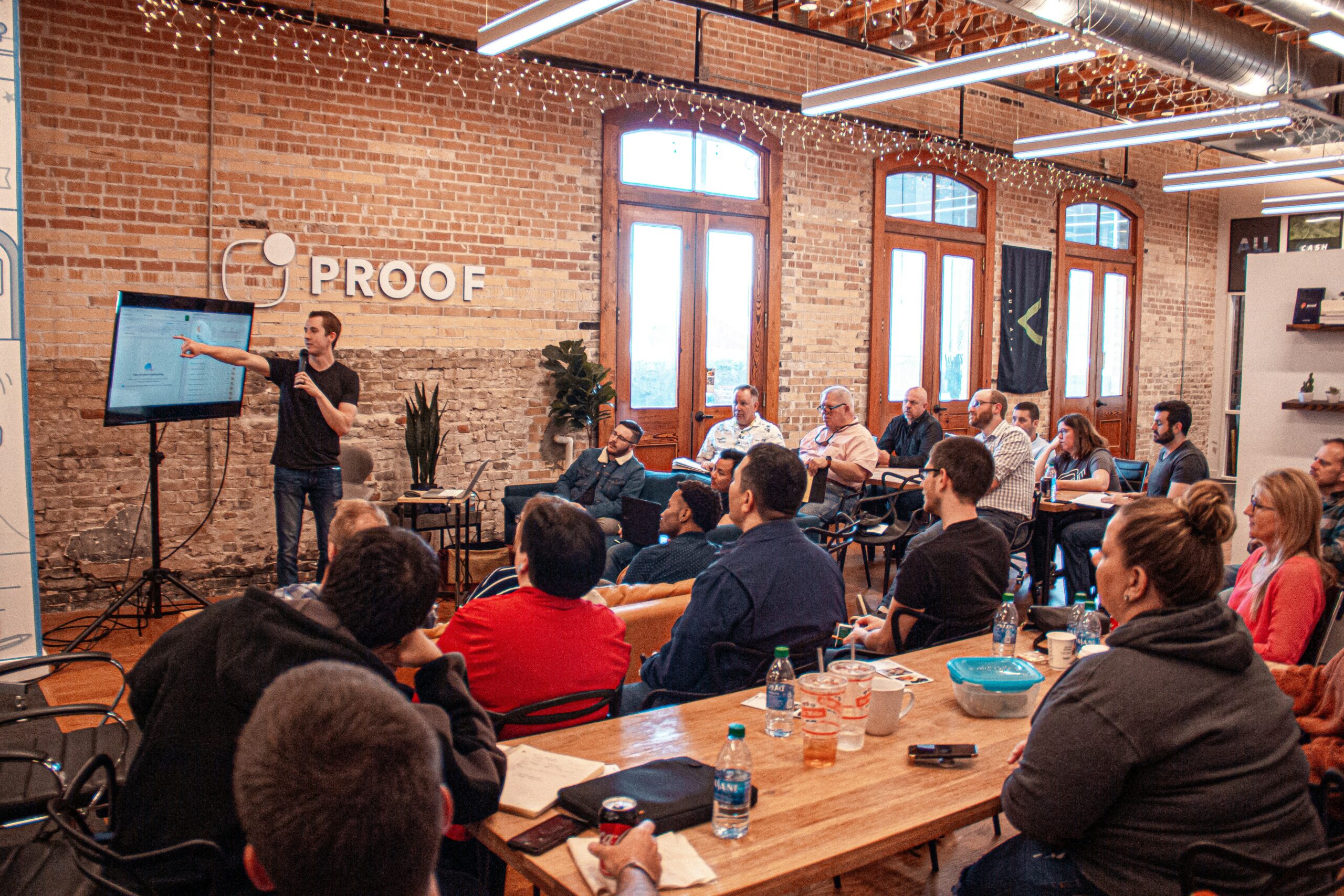
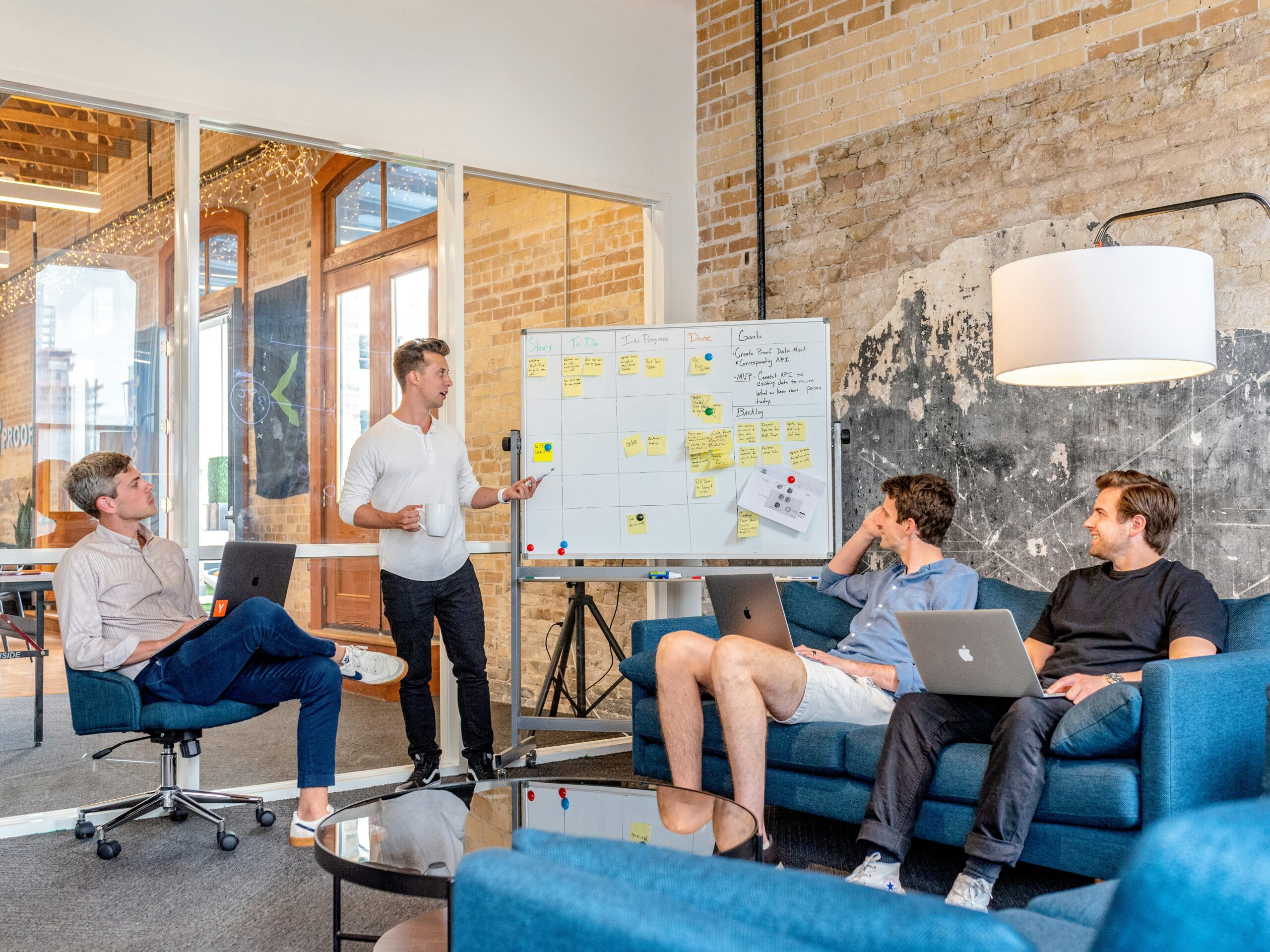
The debate around productivity is gradually defining remote work policies. Many professionals believe that efficiency improves when working remotely, where uninterrupted time allows better focus, asynchronous “deep work.” However, in-person environments still play a critical role in fostering brainstorming and team collaboration. This trade-off is driving organizational decision-making.
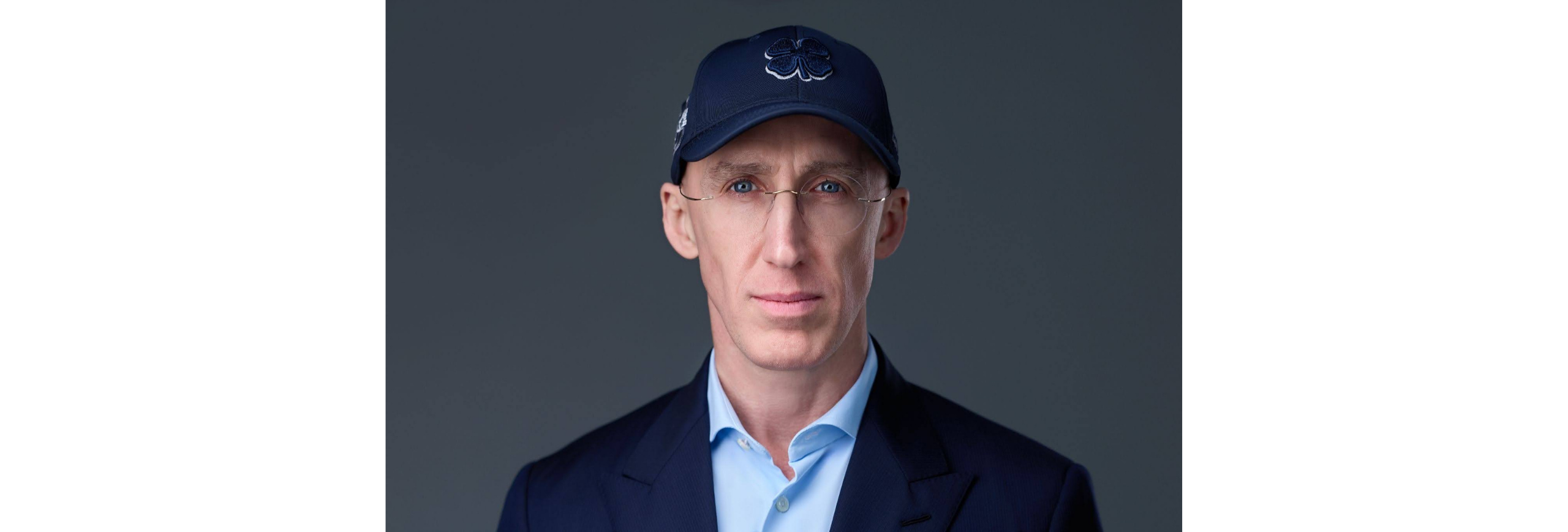
Reflecting this perspective, lilAgents promotes a remote-first approach. David V. Kimball, Co-Founder and CEO, shares, “Being in person is not a very good recipe for getting meaningful work done.”
Rise of Global Talent and Borderless Teams
Remote work has also expanded the boundaries of hiring. Companies are no longer restricted by geography. They are tapping into global talent pools and building diverse teams. This change has been supported by infrastructure such as Employer of Record (EOR) services, which simplify international hiring and compliance. As a result, organizations are becoming increasingly borderless in both structure and strategy.
Limits of Remote Work: When Presence Matters
Despite its advantages, remote work is not universally applicable. Certain sectors, including education, operations, and regulated industries, require physical presence to function effectively. Institutions like Santa Monica College highlight these limitations.
Scott Silverman, Dean of Noncredit and External Programs, notes, “Some folks… had an expectation that this is now a right rather than a privilege.”
Additionally, concerns around cybersecurity, compliance, and service continuity determine how far remote models can extend.
Hybrid Work as the Middle Ground
To reconcile competing demands, many organizations are turning to hybrid models. Approaches such as “HiFlex” allow employees to split time between remote and in-person work, combining flexibility with opportunities for collaboration. These models aim to strike a balance between autonomy and accountability, offering a more nuanced approach to workplace design.
Tools, Structure, and Self-Discipline in Remote Work
Effective remote work depends heavily on structure and discipline. Without traditional supervision, employees rely on calendars, task management systems, and communication platforms to stay aligned. This marks a broader transition from oversight-driven management to trust-based performance systems.
The Human Factor: Connection, Culture, and Communication
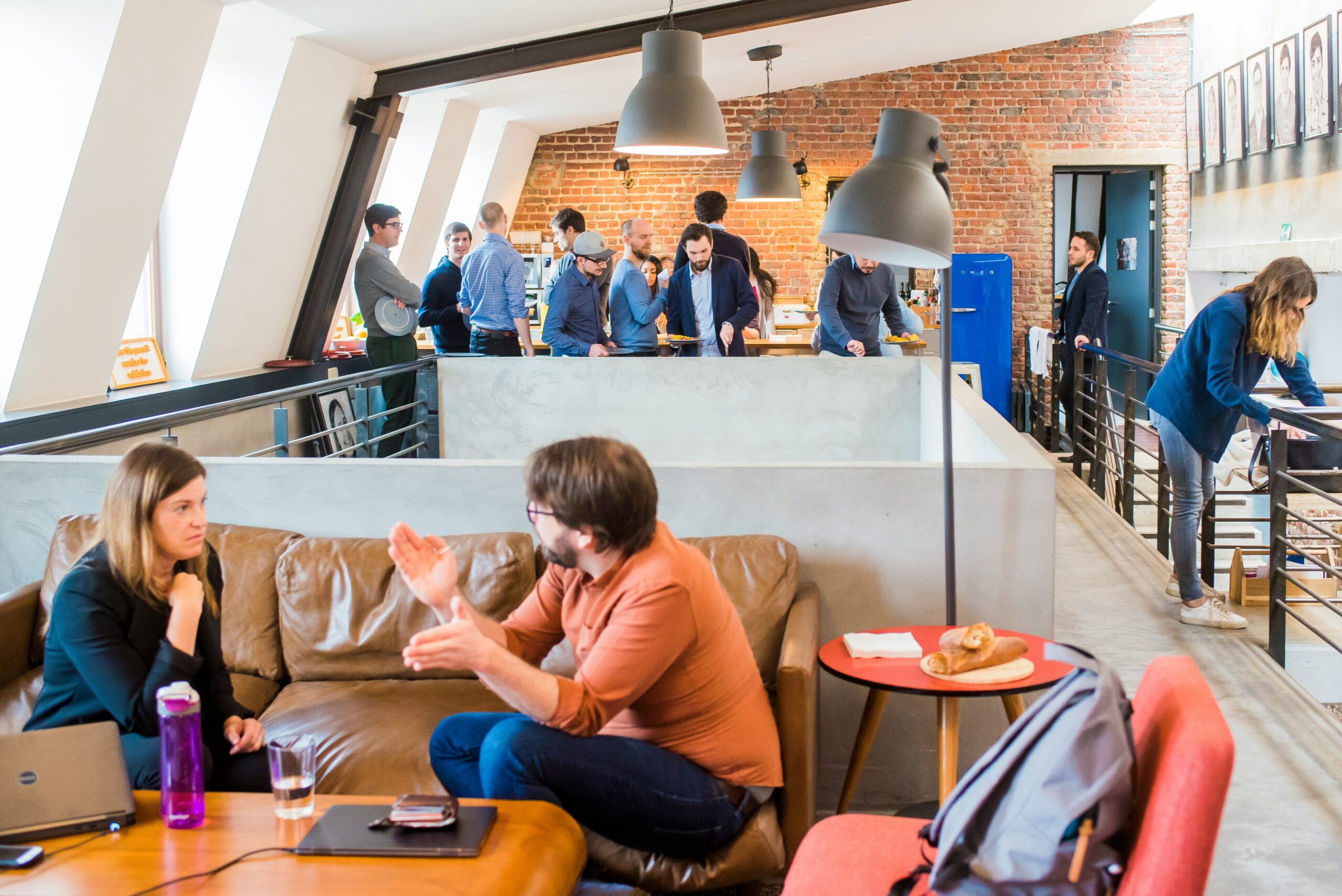
The human dimension remains a challenge. Remote work can lead to isolation and weaken informal communication channels. Many organizations are currently struggling to maintain culture and connection in distributed environments.
Highlighting this concern of Microsoft, Debbi McCullough, Executive Communications Coach, observes, “People really loved the flexibility… but… there’s a big conversation gap problem.”
The Future of Work: Intentional, Not Default
As remote work matures, a one-size-fits-all approach is giving way to intentional design. Companies are beginning to tailor work models based on roles, responsibilities, and business objectives rather than adopting blanket policies.
Final Thoughts
Remote work is neither a temporary fix nor a universal solution. Its success depends on how effectively organizations balance flexibility, productivity, and human connection. AS work culture continues to evolve, adaptability is defining workplaces, not rigid structure.