
Image credit: Pexels
As companies rethink hiring, collaboration, and retention, flexible work models are transforming the future of modern business.
Businesses embraced the remote work culture to stay afloat during the pandemic. What was then viewed as a temporary response to unprecedented disruption has gradually turned into a long-term operational strategy. Remote work culture is increasingly being used to improve recruitment, retention, and productivity across sectors.
The growing adoption of remote work has also raised a broader debate surrounding fully remote, hybrid, and traditional in-office work cultures. While some organizations are calling employees back to centralized offices, others are making their policies more flexible to adapt to the practical needs of their teams. With this shift, more and more companies are discovering that there is no universal formula for success.
Why Businesses Are Reconsidering Traditional Office Models
The rise in labor shortages and widened competition for skilled workers has forced many employers to rethink the way they hire talent. Businesses that once preferred recruitment from specific geographic areas are now opening positions to candidates internationally.
For many organizations, remote work has become less about convenience and more about access. Employers are finding that flexible arrangements can improve both the quality of hires and long-term employee retention.
This is also the reality for Kanbanchi, which transitioned to remote work after struggling to recruit locally in Dartford, UK. This move allowed the company to expand its talent search beyond a limited hiring pool.
Olga Alekseeva, Head of Customer Success & Operations at Kanbanchi, said the shift should not be viewed as a radical workplace experiment. “I think this is not something progressive; this is just a tool that you need to know how to use.”
The Rise of Hybrid Work as the Practical Middle Ground
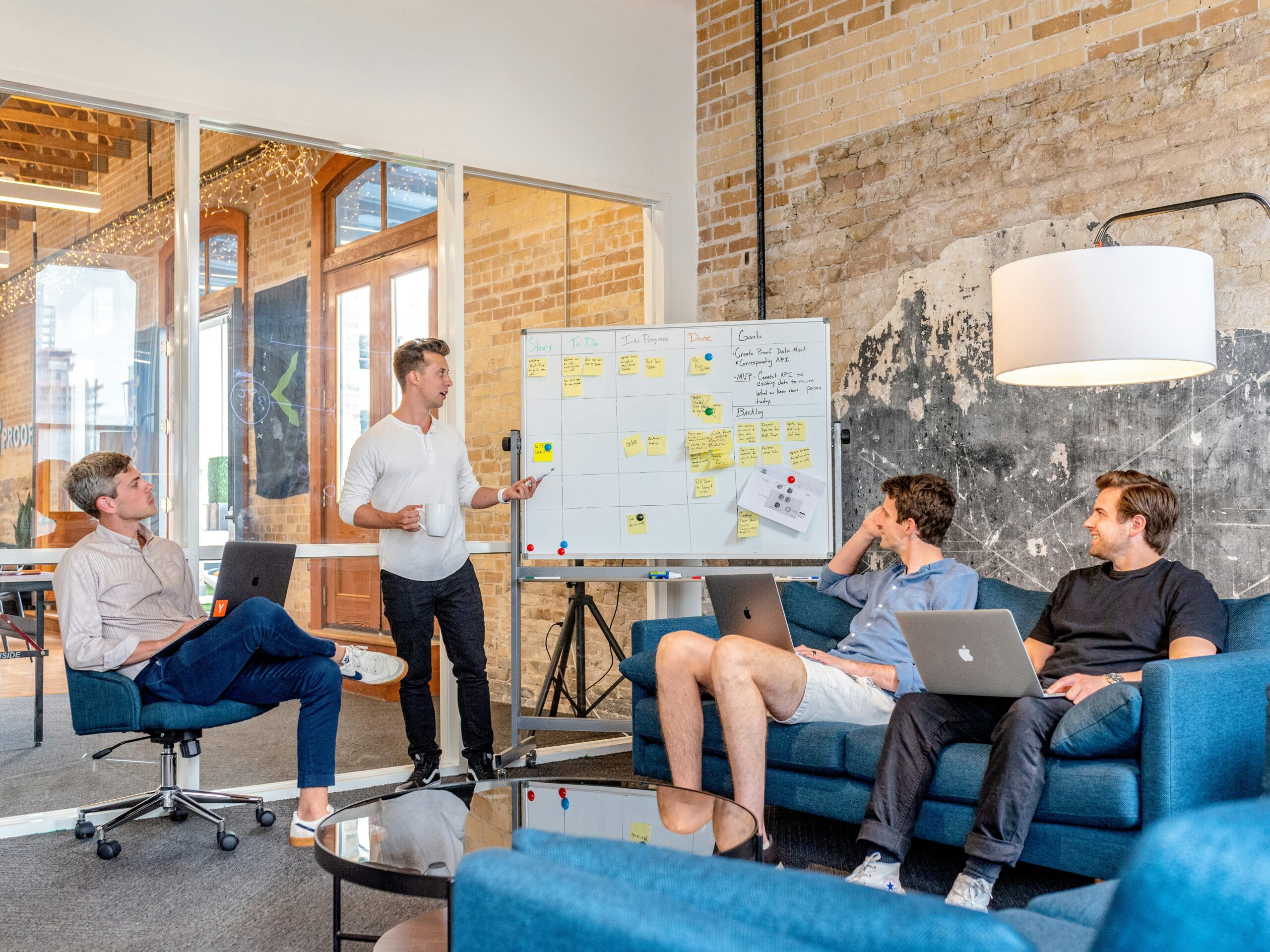
Even as remote work gains traction, many businesses are finding the hybrid structure to be a more balanced approach. For companies that value collaboration and company culture, face-to-face interaction still plays an important role in workshops, strategic planning sessions, and onboarding processes.
This balance has accelerated the adoption of cloud-based collaboration systems and communication platforms such as Microsoft Teams and Slack, alongside more advanced onboarding systems.
ID Card Centre has embraced that middle-ground strategy by integrating remote employees through initial in-office onboarding before transitioning them into flexible working arrangements.
Daniel Brooks, Marketing Manager at ID Card Centre, said the approach has expanded recruitment opportunities significantly. “You could be opening yourself up to higher-quality potential staff members rather than just restricting yourself to a specific catchment area.”
Flexibility as a Recruitment and Retention Strategy
As the hiring market becomes more competitive for talent, flexible work policies are becoming a more practical recruitment tool. Companies are experimenting with four-day work weeks, asynchronous schedules, and greater employee autonomy in an effort to improve morale and reduce burnout.
Lumen SEO adopted a fully flexible 32-hour work week, which the company believes has strengthened both recruitment and employee retention. The policy has also reinforced a broader shift toward outcome-based performance rather than rigid scheduling.
Aled Nelmes, CEO & Founder of Lumen SEO, encouraged companies to remain open to experimentation. “Experiment, try, bring your team into experimentation, and whether it works or not, you’ll have just a damn good time.”
The Future of Remote Work Will Be More Specialized
Industry experts are predicting that workplace models will become more polarized in the coming years. Some businesses are expected to move toward fully remote operations, while others may invest in highly immersive office cultures designed around collaboration and in-person engagement. However, the final decision will always depend on company structure, operational requirements, and internal culture.
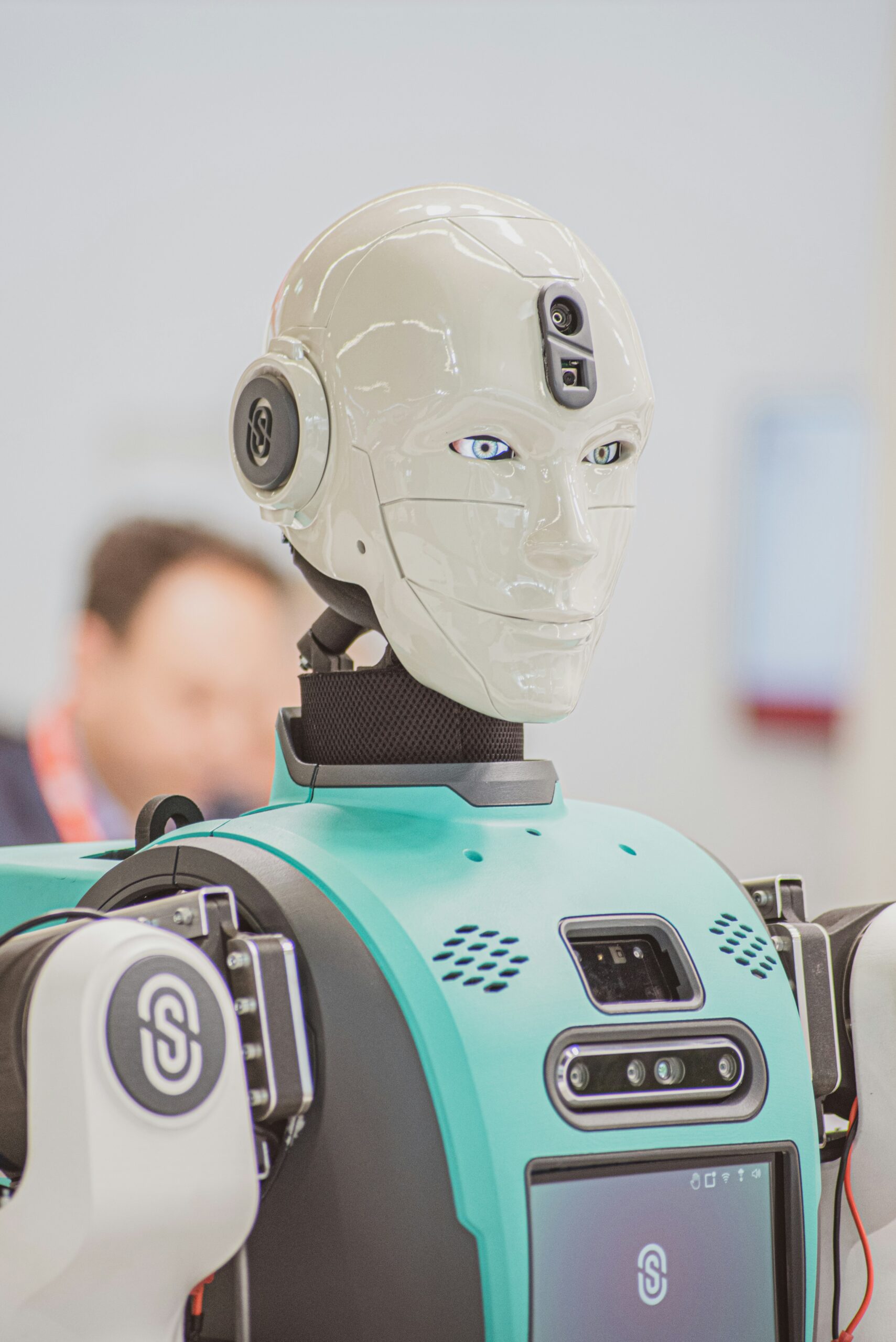
Advances in AI and cloud-based systems continue to make distributed work more efficient and scalable across industries. Rather than disappearing, remote work appears to be evolving into a customizable business strategy. Companies that succeed will likely be those willing to test new structures, adapt quickly, and align workplace models with both employee expectations and organizational goals.