
Image credit: Pexels
Hours logged are no longer a parameter for productivity. As AI facilitates remote work, companies are rethinking how they assess employee performance.
Work ethic is no longer measured by long hours. The rising adoption of AI, remote work, and shifting generational values are changing traditional workplace ethics. “Working harder” no longer captures the full picture. Instead, organizations are restructuring how they measure productivity, accountability, and engagement of their employees.
From Hours to Outcomes
One of the most visible changes is the move away from time-based productivity. Companies are now prioritizing results over hours logged. Project-based work is gaining ground, allowing employees to focus on deliverables rather than fixed schedules.
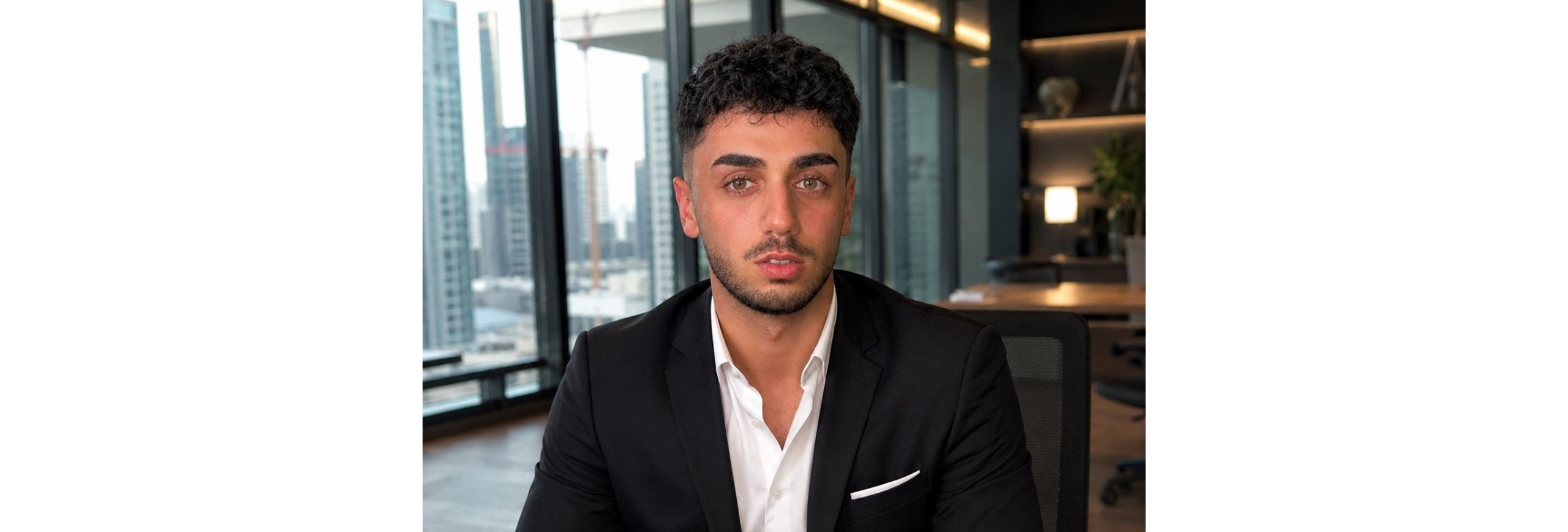
This transition is reflected in emerging leadership perspectives. Mohamed A. Yousuf, CEO and Co-founder of Smart Workforce AI, underscores this approach: “Everything should be around project management… I don’t even care what they do anymore… here’s what we need to do… do it eight hours a day, do it some days two hours, some days 12 hours.”
Energy Management Over Time Management
As knowledge work dominates modern industries, mental energy has become a critical resource. Simply tracking working hours fails to capture the cognitive demands placed on employees.
Organizations like ProFound Consulting AG are emphasizing energy-based work. Founder Lise Bruynooghe explains, “The emphasis is so much more on… energy management instead of time management.”
Aligning tasks with natural productivity cycles allows individuals to perform at their best, reinforcing sustainable work habits.
AI: Tool or Threat?
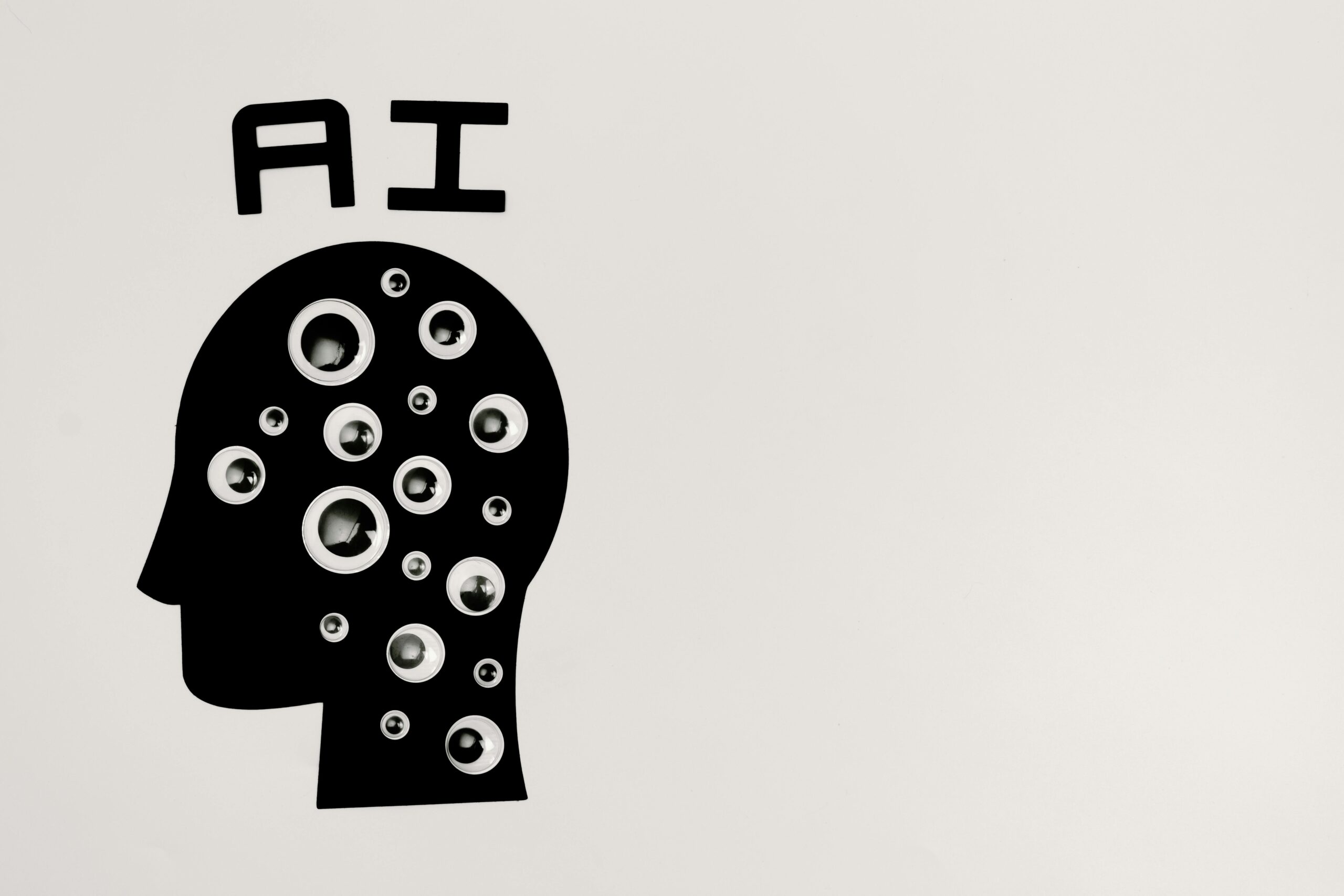
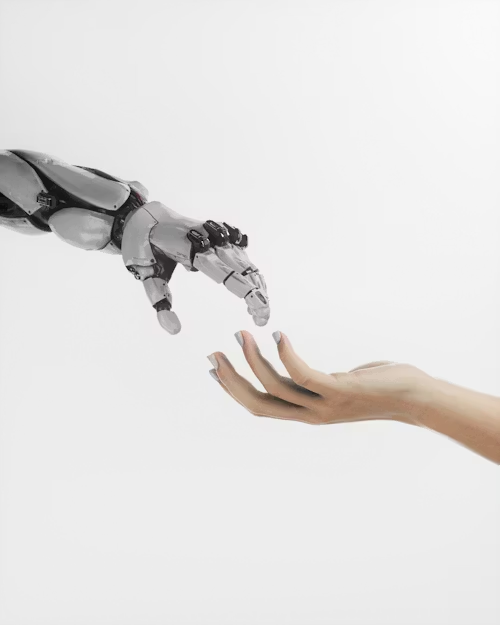
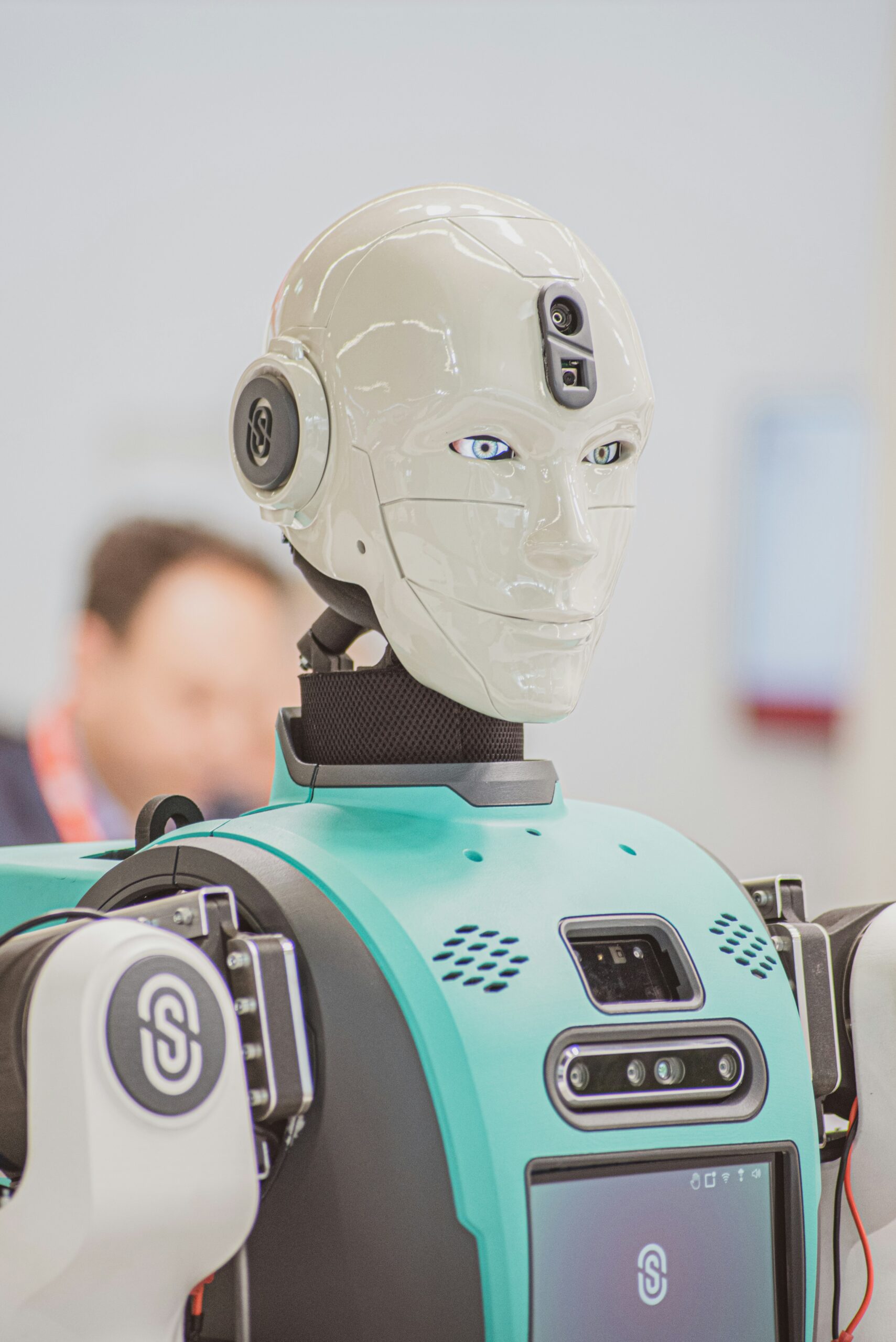
Artificial intelligence is redefining expectations by automating repetitive tasks. While some organizations use AI to enhance efficiency and empower employees, others risk undermining long-term stability by prioritizing short-term gains.
The challenge lies in balancing innovation with responsibility. Decisions made today will shape trust, creativity, and economic resilience in the years ahead.
Integrity and Trust as the Foundation
Work ethic is increasingly tied to authenticity. Employees expect leaders to model the values they promote. Without alignment, credibility erodes quickly.
Clare Haynes, Confident Conversations Expert at Wildfire, highlights this dynamic: “If it’s not modeled by the leader… people see straight through it.”
Trust, once compromised, can weaken engagement and diminish performance across teams.
Clarity and Communication
Another barrier to maintaining a high work ethic is “execution drag,” as described by experts. Unclear expectations and inefficient systems often create frustration, not a lack of motivation.
Melonie Boone, PhD, of Boone Management Group, points to systemic issues: “It’s not necessarily people not wanting to work… It’s like the system itself is fighting against them.”
Preventing Burnout Through Human-Centered Leadership
Sustaining a work ethic requires attention to well-being. Leaders are increasingly prioritizing psychological safety and regular check-ins. Simple conversations can foster connection, reducing the risk of burnout while enhancing engagement.
Creativity and Purpose-Driven Work
As AI handles routine tasks, human value is moving toward creativity and strategic thinking. Employees are seeking purpose alongside productivity. Organizations with clear missions are better positioned to inspire commitment and innovation.
Adapting to Generational Shifts
Younger professionals are transforming workplace expectations, emphasizing balance, boundaries, and fulfillment. In response, leaders are moving away from control-based models toward supportive, flexible environments that attract and retain talent.
Final Thoughts
Work ethic is not disappearing; it is evolving. Organizations that prioritize trust, clarity, and adaptability are more likely to succeed in the future. The right balance between technological advancement and human judgment can sustain high performance in the workplace.