
Image credits: Pexels
An exploration of how the new wave of automated systems is improving workflows and reclaiming time and efficiency in the workplace.
Once, long ago in a cyberland far away, software was supposed to free up humans to spend more time on personal tasks and interests. But traditional software has managed to add additional layers of administrative burden in the form of managing data, surfing interfaces, and cross-referencing information to the very tasks it was supposed to simplify.
Today, however, AI systems have begun to keep records and actively assist their users, meeting work where it stands rather than adding to the overall workload.
Integrating Intelligent Systems
Many industries, such as agriculture and healthcare, rely on managing large amounts of data, which can greatly impact productivity. In farming, for instance, reporting to various stakeholders can consume evening hours. Numanac tackles this problem through its AI co-pilot, Alma, which uses voice-logging for field use.
“Farmers, what they call their pajama time, is being spent in front of a computer screen…” Dan Kelly, the co-founder of the company, voices the struggle of many agriculturists who have to convey the same information to a wide array of people in five different ways.
There is also the concern of AI inaccuracies: “Alma doesn’t just answer [a question] and hope that you trust it; it answers it and then cites the logs it used to justify that answer. That’s our internal tool for preventing hallucinations.”
Similarly, healthcare compliance can fail due to simple human error or forgetfulness. MIRA Health is a companion that learns individuals’ habits to help manage medications and preventative care.
Dr. Olusegun Ishmael, the platform’s founder, recalls its inspiration. “A lot of people have problems remembering to take their medications.”
The platform uses AI to create reminders around a user’s specific lifestyle. Dr. Ishmael emphasizes the necessity of a strong support system.
“When individuals are trying to manage stuff on their own, it gets harder. We’re social creatures.”
Optimizing the Worldwide Workforce
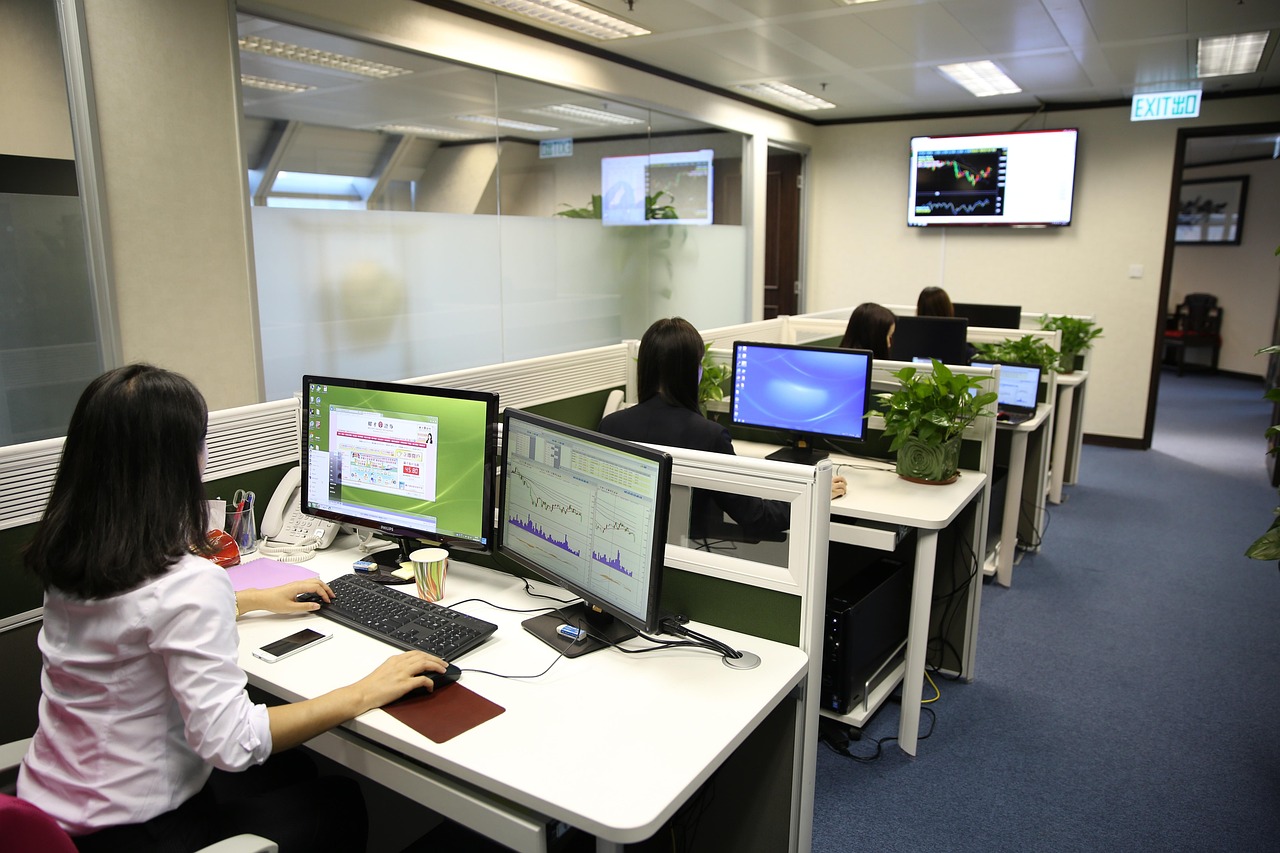
Corporate environments face a different kind of challenge in maintaining employee engagement and managing compliance requirements. Sustaining interest in wellness programs means personalizing the system, something HR systems can’t always successfully provide.
Vantage Fit automates the system, managing reward points across different currencies and time zones.
Anjan Pathak, the co-founder and CTO of Vantage Fit, has a particular knack for maintaining participation.
“In some of the companies that we have been running these programs, there is about 80 percent participation rate.”
Such successful engagement, the company feels, is the direct result of a framework that adapts to employees’ habits.
Pathak adds, “We have an incentivization framework built in such a way that even if you have employees all over the world, you can configure it so that they get some benefit in their local currency.”
In the recruitment sector, ethical AI implementation tends to expand opportunities rather than narrow them. Transformify uses an Applicant Tracking System that grades candidates based on predicted success rather than filtering them out.
Lilia Stoyanov, the CEO, explains that “The candidates are graded…and that takes into account the skills required for the job…and what their transferable skills are.”
Transformify’s approach protects both the businesses and its contractors, contributing to its high retention rate.
“Businesses stay with us because they know that their rights are protected…” Stoyanov notes.
The Future of Automated Assistance
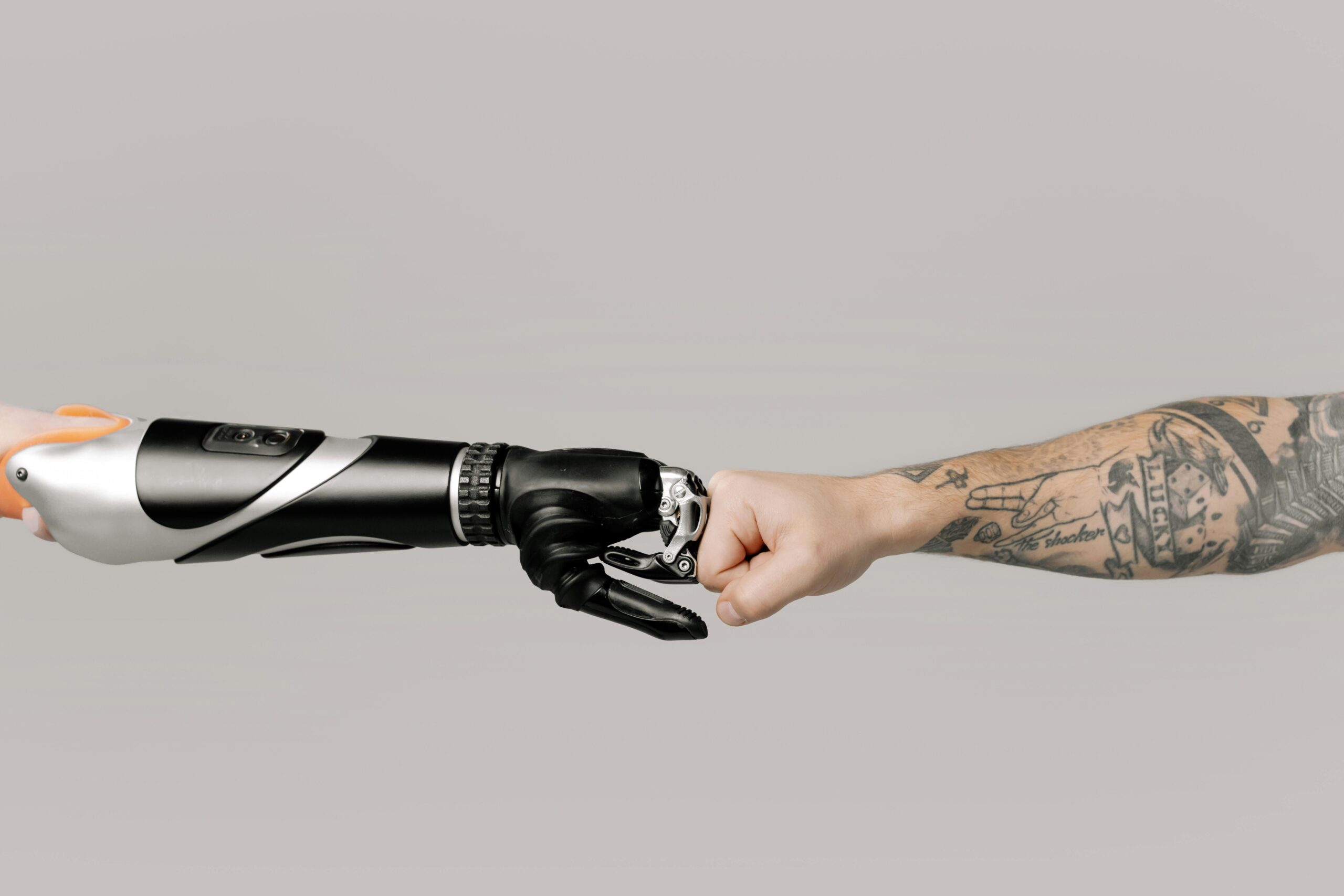
In these companies, and many beyond, the new era of integrated AI and automated workflows has continued to redefine what professional and personal task management looks like. As new automated systems become better at handling routine administrative functions, the focus is shifting toward high-level decisions, with less emphasis on workaday tasks.
Companies are finding much of their success by remaining relatively unobserved, functioning as a silent conduit for daily operations. By reducing the time that’s spent on data entry and business coordination, new AI tools, when used responsibly, let individuals focus on the most important parts of their day. And that gives everyone involved time back to improve a company or themselves.