
Image credit: Pexels
Tech leaders across infrastructure, AI search, workplace systems, and agent-driven companies emphasize a shift toward intent-based, reconfigurable environments powered by artificial intelligence.
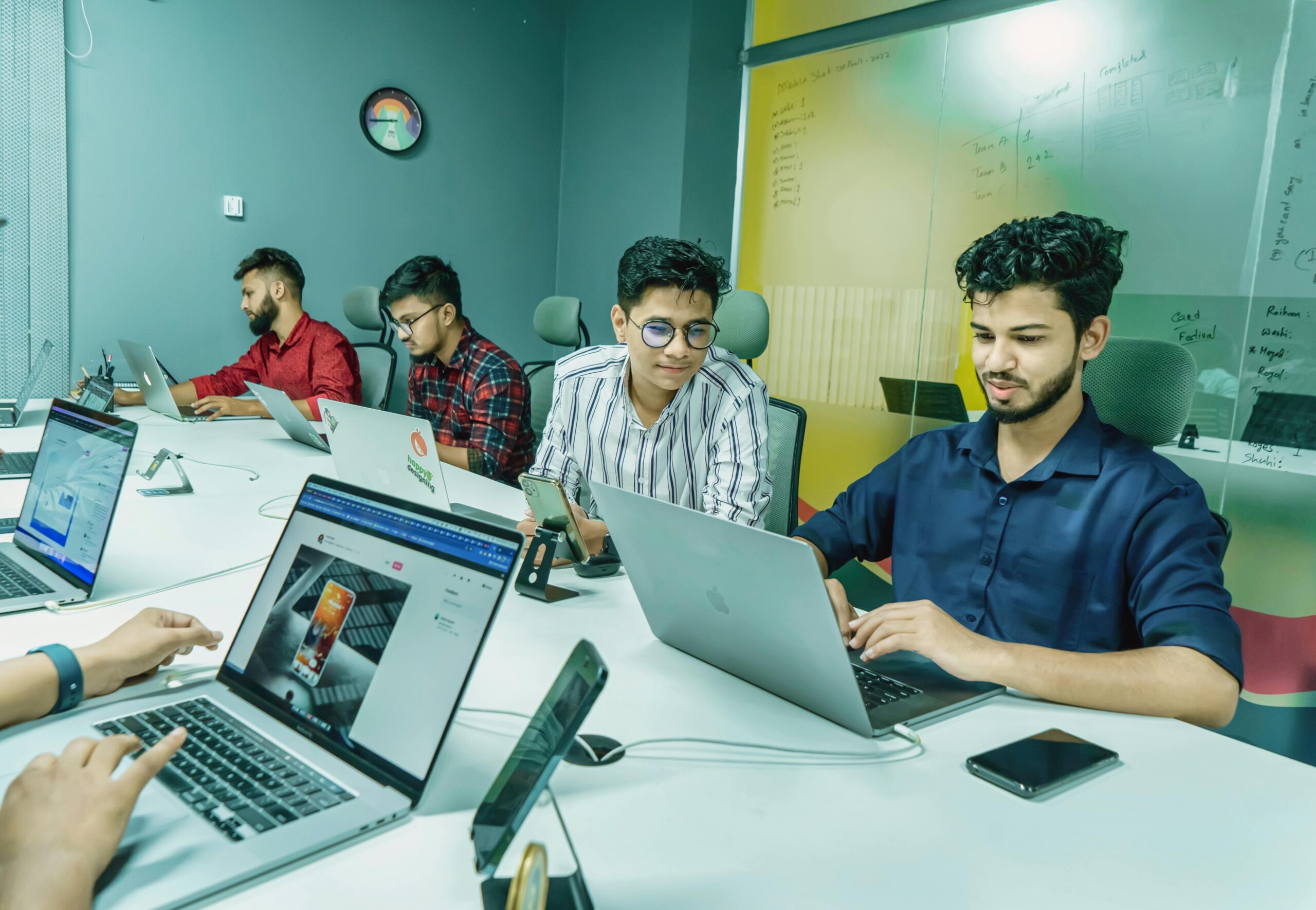
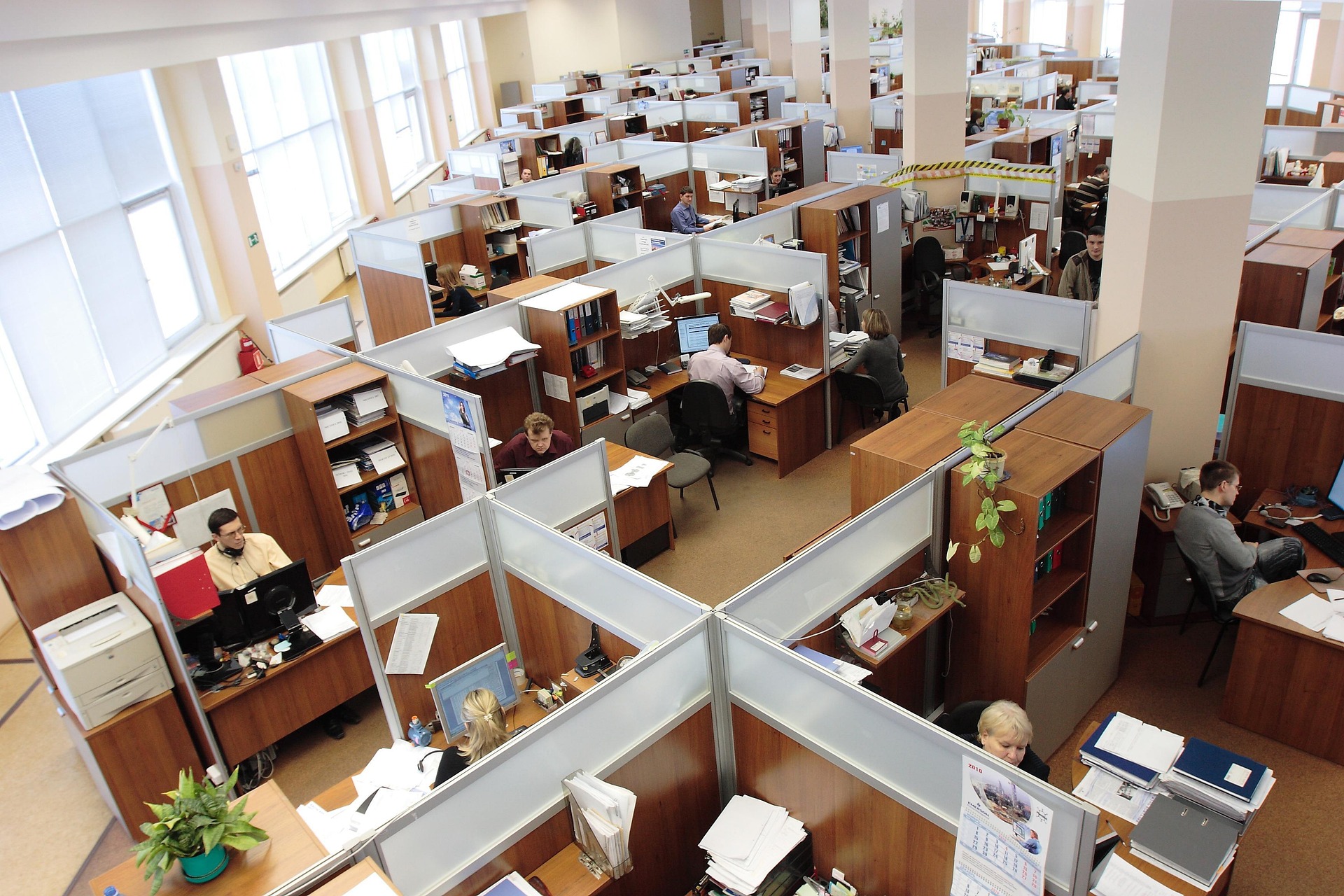
The workplace is no longer a fixed destination in the era of artificial intelligence. AI tools are changing the way organizations operate, and a new generation of tech leaders is redefining the concept of “workspace.” According to them, workspaces should adapt to tasks, teams, and individual intent. From AI-powered observability systems to physical environments that reconfigure on demand, adaptive workspaces are emerging as a strategic priority. Leaders from Splunk, UltraScout AI, Crestron, and Stan are driving this shift to reduce friction between people, tools, and outcomes.
The Infrastructure Layer: Closing the Feedback Loop
For enterprises navigating AI adoption, the challenge has shifted from deciding whether to adopt AI to ensuring it is reliable at scale. Sayali Patil, Former Cisco AI Product Manager and Practitioner at Splunk, describes this as a transition grounded in visibility and feedback loops.
According to Patil, “Enterprises are just not asking anymore whether they should adopt any new technology. It is like this current situation has put them under pressure that they actually need to deploy and adopt those particular technologies. It is not, do we need to? It is like, we need to, but how?”
Within Splunk’s enterprise ecosystem, teams integrating behavioral telemetry into AI workflows have reported measurable operational gains.
“Teams that integrated behavioral telemetry into their AI workflows reduced that diagnostic effort by 30 to 40%. The interesting thing is, it wasn’t just because the tools got smarter. It was because the feedback loop was finally closed; people could actually see what the system was doing.”
Patil’s focus on production systems reflects the operational reality behind AI systems in enterprise environments.
“I was more from the infrastructure side. My job was keeping the systems running in production: watching AI fail, basically, and building the systems that could catch it before it did that damage.”
Intent as Infrastructure: AI Logic Meets Physical Space
Yuliya Halavachova, Founder and Principal Data Scientist at UltraScout AI, draws a direct comparison between AI-driven search behavior and workspace design. She argues that environments should respond to human intent in real time, much like modern AI systems interpret user behavior.
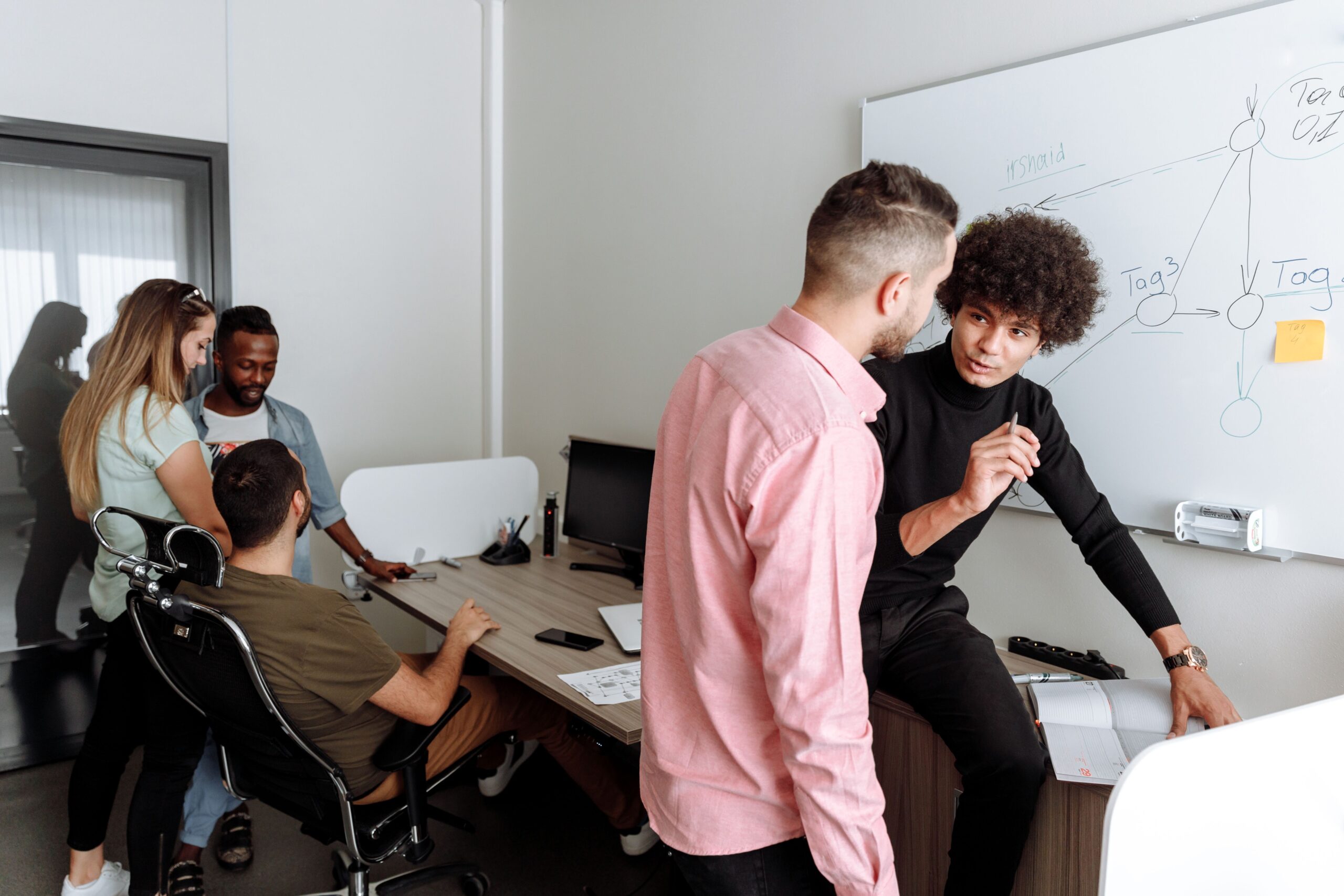
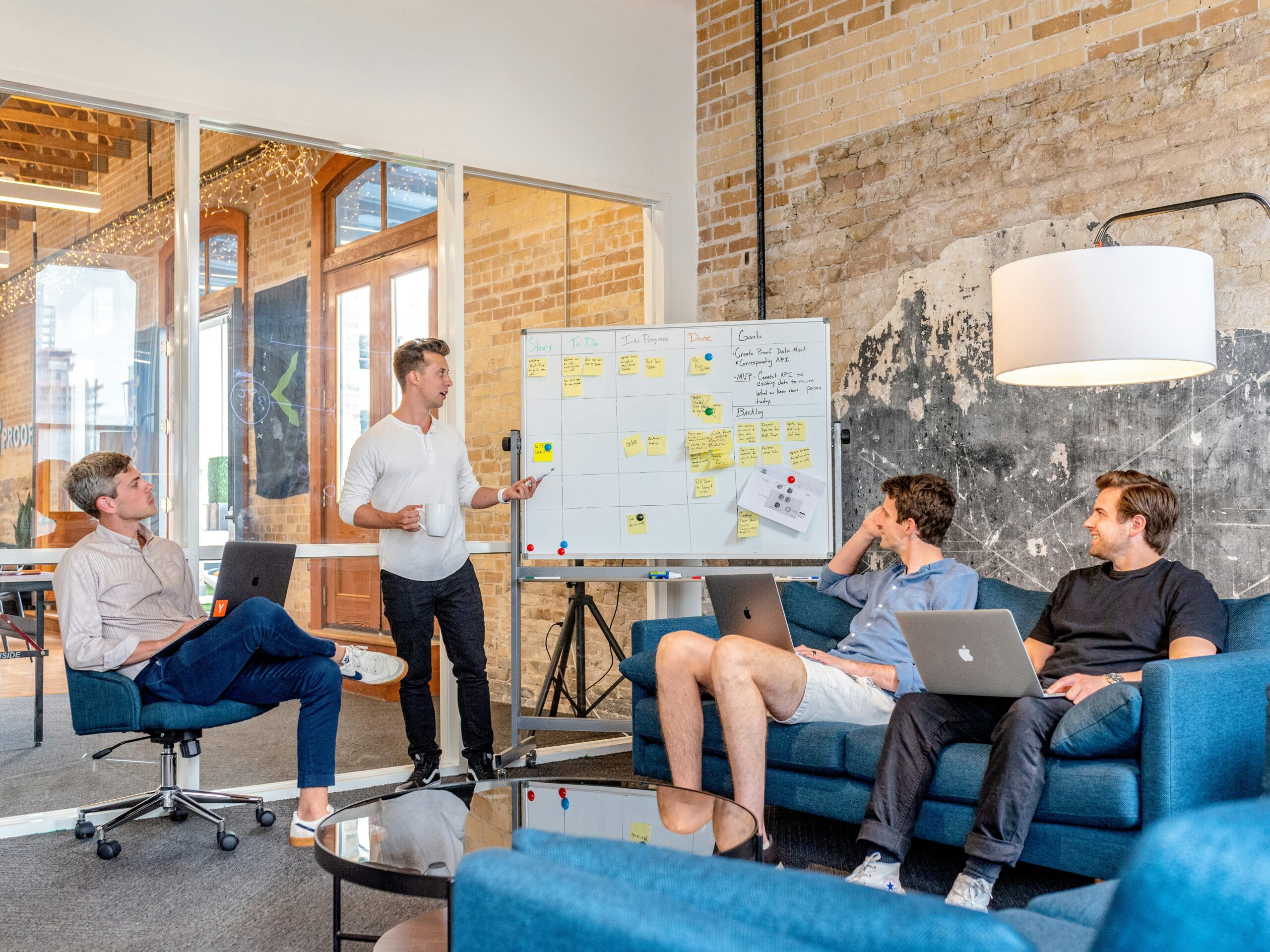
“One person needs quiet space, they need focus time: this is deep focus, individual contributor intent. Other people have ideation or creative brainstorming intent, when two or more people gather around the whiteboard and their voice level rises. Workspace adaptation here will be room changes from individual desk, where we have IC working, to standing table with writable walls, and large displays activate, and sounds shift.”
Halavachova also highlights the tension in AI systems that either overreach or underdeliver due to a lack of context awareness.
“I am familiar with the tension between AI doing too much and not enough. AI doing too much when we provide instructions; it starts going in a direction that we do not really need. But at the same time, this is not enough for us, because this is the answer from AI going beyond our real scope.”
On memory-driven systems, she emphasizes continuity as a core requirement for productivity.
“If your AI assistant does not memorize your content, if you use a free account, it is a blank sheet every time. It will do too much, and at the same time, you will not get enough output. On the paid account, AI learns from the past and helps speed up the process. When you do a presentation and worked on it two weeks ago, this data is stored in AI system memory, and when you prepare the next presentation, you do not need to redo this again, because AI can grab the knowledge it already holds and reuse it.”
Removing Friction: Technology as a Silent Enabler
At Crestron, workplace systems are designed to eliminate friction so spaces can transform without disruption. Brad Hintze, EVP of Marketing at Crestron, describes this shift as both operational and cultural.
“There was a time I went to a trade show and had built a whole social media plan. I loaded that into AI, and one morning I woke up and said, okay, it is Tuesday morning, what do I need to post about today? It coached me on those things. I wrote the posts, I did the work, but that really unlocked something for me in terms of AI being that coach and that support. Now my team does not send stuff to me for review without running it through a coach that will then coach them on how to improve the work product.”
Hintze adds that physical spaces are becoming increasingly programmable.
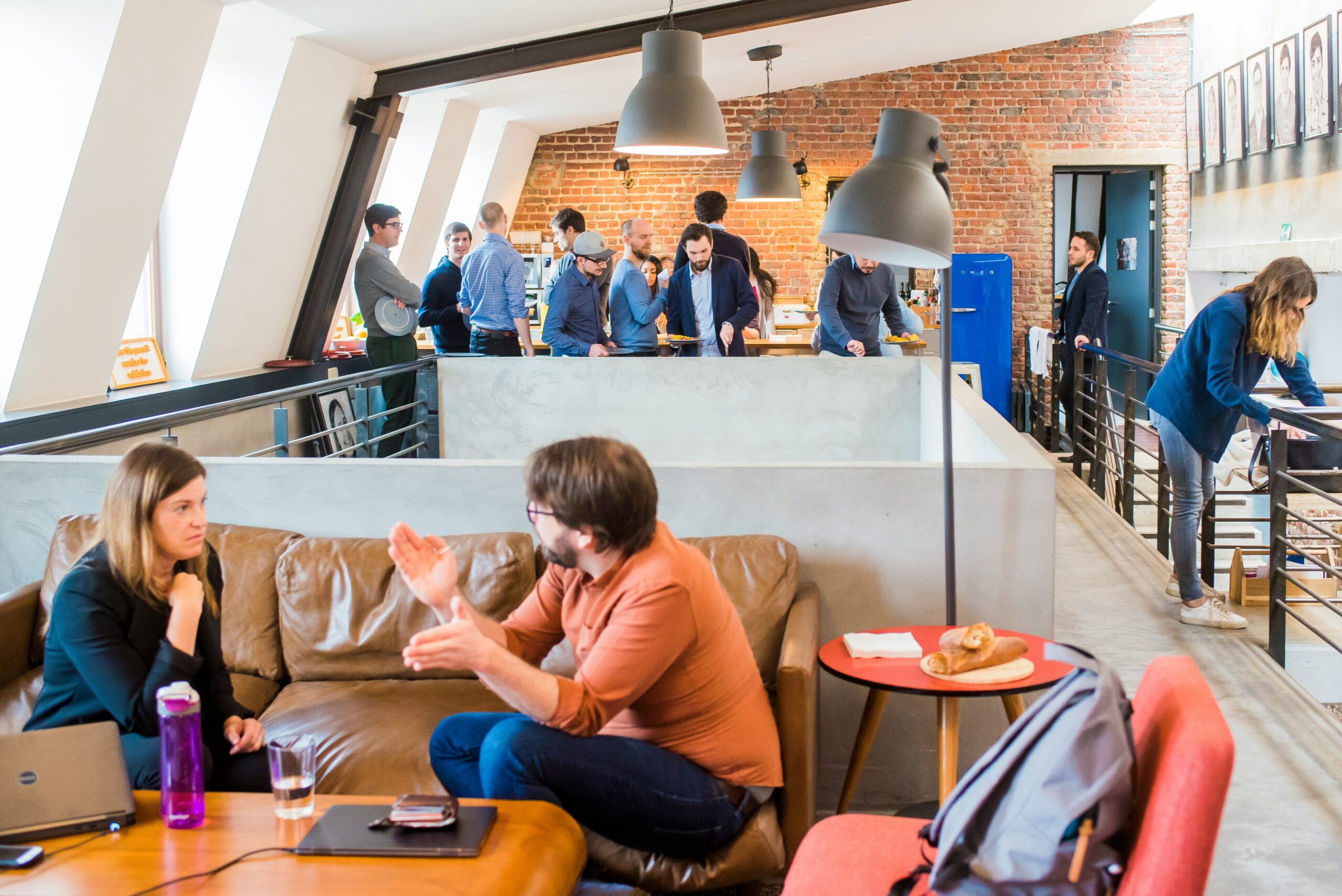
“A canteen or cafe in a corporate space that every day people use for lunch can, once a month or every other week, turn into the space where you are holding town halls with remote attendees. An adaptive space allows you to come in and say, this is what I want, these are the expectations I have, and it meets those. It is a necessity to support that, because people have these expectations that spaces can adapt to their workflows.”
He frames the broader evolution of AI as incremental but transformative.
“Google Maps came on the scene where you could click and drag in a browser. While that was a small technical advancement, it changed the whole way people leveraged web technologies. You can see that same thing happening with AI. Those are the small iterative changes that will have transformational impacts as we go, and that is truly exciting. The experimentation happening right now, the people that are using it, will inform so much of this change; in five years, we are going to take so much for granted.”
The 30-Person Company That Operates Like 300
At Stan, AI agents now function as core members of the operational workflow, accelerating execution and compressing development cycles. Co-Founder Vitalii Dodonov describes a structure where AI-driven execution systems amplify human strategy.
“What used to take me a year to master, using code to create real-life products, anyone can now get a decent grasp of in less than a day. If you wanted to create a website that does something, real-life production stuff, you can have it, no kidding, by the end of the day. I think it is very powerful because it allows people to test their ideas very quickly, and that creates fundamental value in the world.”
Dodonov contrasts past workflows with current AI-augmented processes.
“A year ago, my approach when I wanted to build something was to go to my head of engineering, assemble a team, scale to three to five people, iterate for a couple of months, and maybe three months from now, we would have something. Now, I go to Sierra, my AI chief of staff, who tasks Guilfoyle, my AI engineer, who goes and builds it. I am able to test things way faster and way cheaper, introducing less distraction to the business.”
Despite this acceleration, he reflects the continued importance of human judgment.
“I want every single core function within the organization to be represented by a human, because at the end of the day, AI exists to serve the benefit of humanity. It is not just for profit, nor just for optimization; it needs to be a fundamental value for people for whom it has been created. As a human, I want brilliant humans around me, operating at their full potential and leverage, which gives me the opportunity to run a 30-person company that operates like a 300-person company.”
Across infrastructure, workplace systems, AI search logic, and agent-driven companies, adaptive workspaces are becoming operational defaults. The leaders driving this shift believe that systems are most effective when technology is aligned with human intent, reducing friction and expanding capacity.