
Image credit: Pixabay
Modern hiring methods are based on a system that evaluates multiple candidates at once. Recruiters and hiring leaders now review hundreds or sometimes thousands of applications for a single role. The flood of incoming applications creates a twofold challenge because it requires finding suitable candidates and identifying applicants who present themselves as authentic. The requirements for standing out in 2026 go beyond a basic template of a resume.
Why Authenticity Matters More Than Ever
According to recruiters, authenticity has become one of the most noticeable differentiators in today’s job market. As artificial intelligence tools make it easier to generate resumes and cover letters quickly, recruiters have become more alert to language that feels overly generic or formulaic.
Instead of blindly relying on AI tools, candidates who personalize their materials and communicate in a natural, distinctive voice tend to stand out. Jeff Lichtenstein, CEO & Broker at Echo Fine Properties, believes this shift creates opportunity for job seekers willing to show individuality. As he puts it, “I think it’s easier right now. I think there’s huge opportunity because nobody’s doing it.”
What Hiring Leaders Look for First
Despite changes in hiring technology, the fundamentals of a strong resume remain consistent. Recruiters typically scan first for measurable outcomes, clear ownership of responsibilities, and evidence of career progression. Candidates who highlight concrete results rather than listing duties immediately draw more attention.
Format also plays a role. Traditional, ATS-friendly resumes still dominate formal application processes because they allow automated systems to scan for relevant skills and experience. However, in networking contexts or creative fields, candidates sometimes use more visually distinctive formats to reinforce personal branding.
Jenn Harrold, SVP of Human Resources at NewDay USA, notes that differentiation matters even in structured hiring environments. “If the resume looks like everyone else’s, I’m going to assume you might work like everyone else.”
The Right Way to Use AI in the Job Search
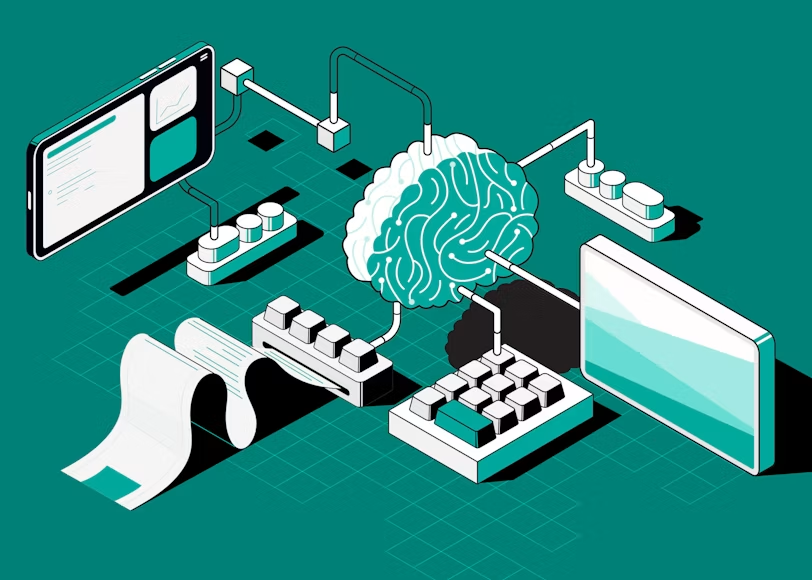
Artificial intelligence has quickly become a common part of the job search workflow. Many candidates now rely on AI tools to edit drafts, refine wording, or compare resumes against job descriptions.
Career strategist Christina Martin, Founder of Resume Services by Christina Martin, advises job seekers to treat these tools as assistants rather than replacements. “You can use AI, ChatGPT, Claude, all of the generative AI tools. You can use those to help you edit and to help you refine and do comparisons.”
AI can improve structure or clarity, but it cannot deliver real accomplishments or personal motivation. Hiring leaders are increasingly recognizing content that feels algorithmically generated rather than experience-driven.
When to Follow the Rules and When to Break Them
Not every application requires the same strategy. Formal corporate roles still favor conventional resumes that align with applicant tracking systems. In other contexts, such as creative industries, startups, or personal outreach, candidates may gain attention through storytelling, personal websites, or even video introductions.
Recruiters believe that candidates should align their approach with the situation rather than assuming one format works everywhere.
Cover Letters as the Human Connection
Even as hiring tools evolve, the cover letter continues to play a valuable role when used thoughtfully. A focused cover letter allows candidates to explain motivation, connect their experience to the organization’s goals, and provide context that a resume alone cannot convey. When specific and intentional, a cover letter becomes the most human element of an application.
Importance of Networking and Visibility
Recruiters also emphasize that submitting online applications alone rarely guarantees visibility. Professional networking, an active LinkedIn presence, and direct outreach can significantly increase the chances of being noticed by hiring managers.
Final Thoughts
The most effective applications of 2026 do not require advanced tools or complex designs. The applications succeed because they use straightforward methods to produce results that match the candidate’s actual voice. The application process has now transformed as hiring leaders quickly assess a candidate’s achievements and professional identity.