
Image credit: Pexels
As AI reshapes the workplace, founders are redefining talent to prioritize adaptability, intuition, and creative thinking over rigid technical expertise.
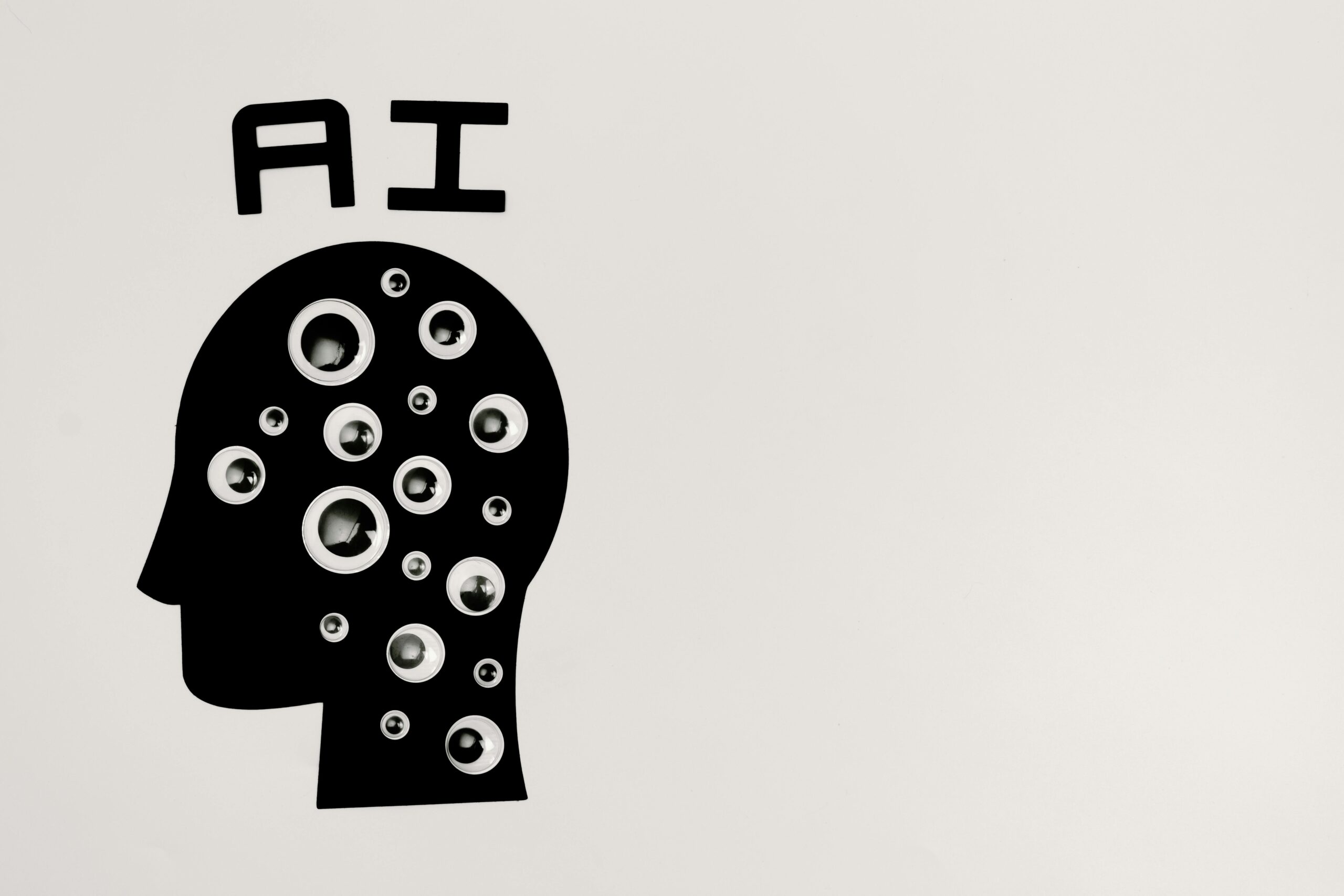
While artificial intelligence is dominating workplaces, tech founders are now changing the definition of “skilled” in hiring processes. AI literacy is no longer confined to technical proficiency or streamlining workflows. Many leaders are now looking for talent who can think, adapt, and create in a challenging environment where outcomes are often unpredictable.
This shift also reflects a cultural fascination where creativity is overpowering strict systems. In both technology and the arts, some of the most compelling work is emerging from intuition, experimentation, and a willingness to embrace uncertainty, not merely through meticulous planning. This mindset is becoming relevant for building AI-driven teams.
Not Every Creative Process Begins With a Roadmap
In traditional hiring models, structured thinking and methodical execution were often prioritized. However, in AI-centric environments, founders are recognizing the value of instinctive exploration.
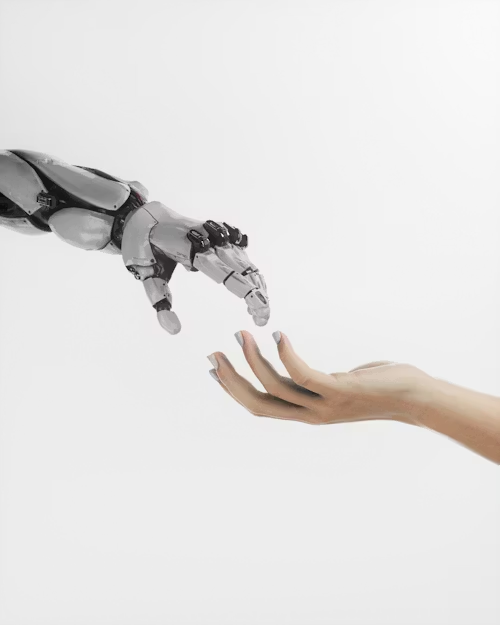
Much like artists and writers who produce work without detailed outlines, employees today are often required to solve ambiguous problems. While AI tools can generate outputs and recommendations, interpreting, refining, and applying them ethically demands human judgment. This is where intuitive thinking becomes crucial.
Employees who learn by testing ideas, iterating quickly, and adjusting based on feedback often develop a deeper understanding of both the tools and the problems they are solving. Founders consider this adaptability to be a core component of AI literacy. Dimitry Malinsky, CEO of Intratem, emphasizes the importance of human judgment when utilizing AI.
“Judgment is critical. So, in using AI, employees have to evaluate and refine outputs before they need to be able to look at the output and analyze the output rather than blindly trusting AI,” says Malinsky.
Chaos Can Still Be a Craft
Despite a lack of structure, spontaneous methods are rarely random. They often rely on pattern recognition, repetition, and a strong internal compass, all thanks to AI-driven workflows.
In creative fields, artists frequently incorporate found objects, accidents, and unconventional materials into their work. Similarly, in technology, unexpected outputs from AI systems can become opportunities rather than setbacks. Employees who can identify value in these moments and refine them into usable solutions in workflows stand out. Paul Malott, CEO of Automations24, emphasizes the importance of progress over perfection when integrating AI into workflows.
“The idea of using AI as a bigger part of the workflow is very important moving forward because I think the way we all operate in the workplace, through no fault of our own, is very much constrained by the organization that we’re in,” says Malott.
The definition of AI literacy has evolved from just understanding how AI works to knowing how to work with it. Founders are now prioritizing candidates who can engage with systems dynamically, without blindly relying on predefined rules.
Creative Breakthroughs Often Come From Following Impulse
Many creators discover their unique style by producing first and analyzing later. This approach is gaining traction in tech environments where rapid experimentation often leads to innovation.
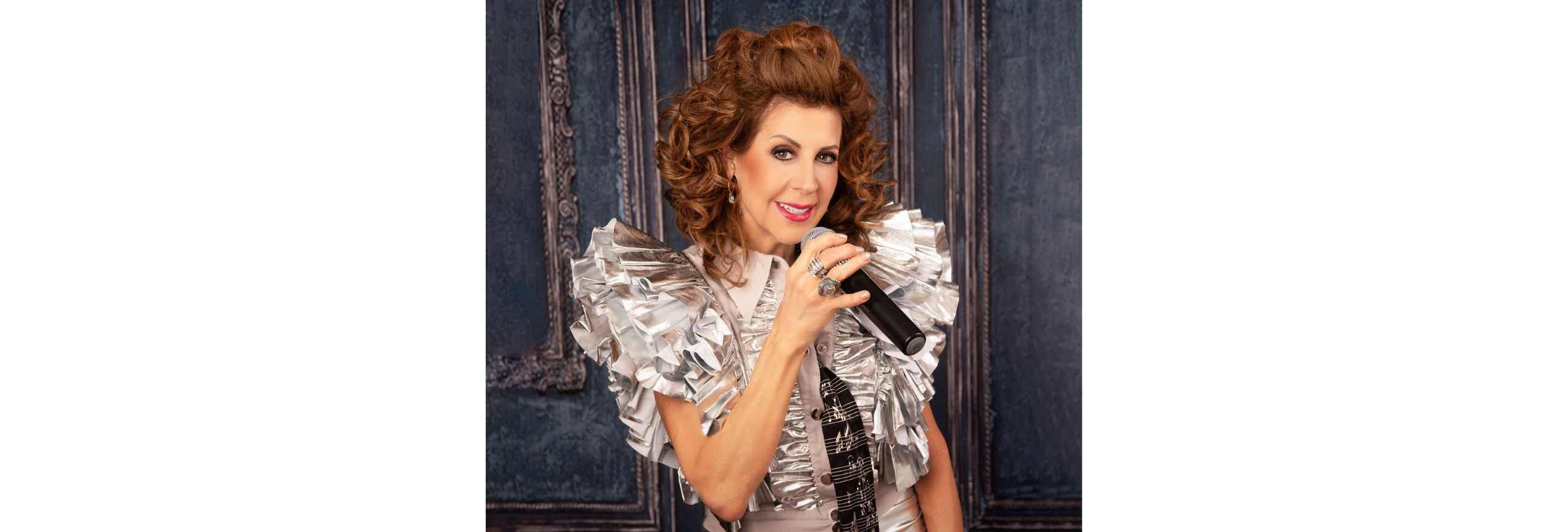
Diana Kemp, Founder of Diana Kemp Dreamscapes, exemplifies this philosophy. She describes her approach: “Creative anarchy is basically, I have no plan, no outline, no order to anything.” Her process shows how breakthroughs often emerge when individuals allow ideas to develop organically before imposing any structure.
For tech founders, this insight carries weight. Employees who can explore possibilities without over-reliance on rigid frameworks are often better equipped to unlock new applications of AI.
Why Physical Presentation Still Matters in a Digital-First World
While AI and digital tools dominate much of today’s workflow, founders are also recognizing the importance of tangible output. In creative disciplines, elements such as texture, scale, sheen, and materiality are often lost online. This limitation showcases the continued relevance of in-person experiences.
Kemp reflects this perspective when she notes that “physical gallery display would be my dream.” Her statement highlights that even in a digital-first world, the physical dimension of work can provide depth and clarity that screens cannot replicate.
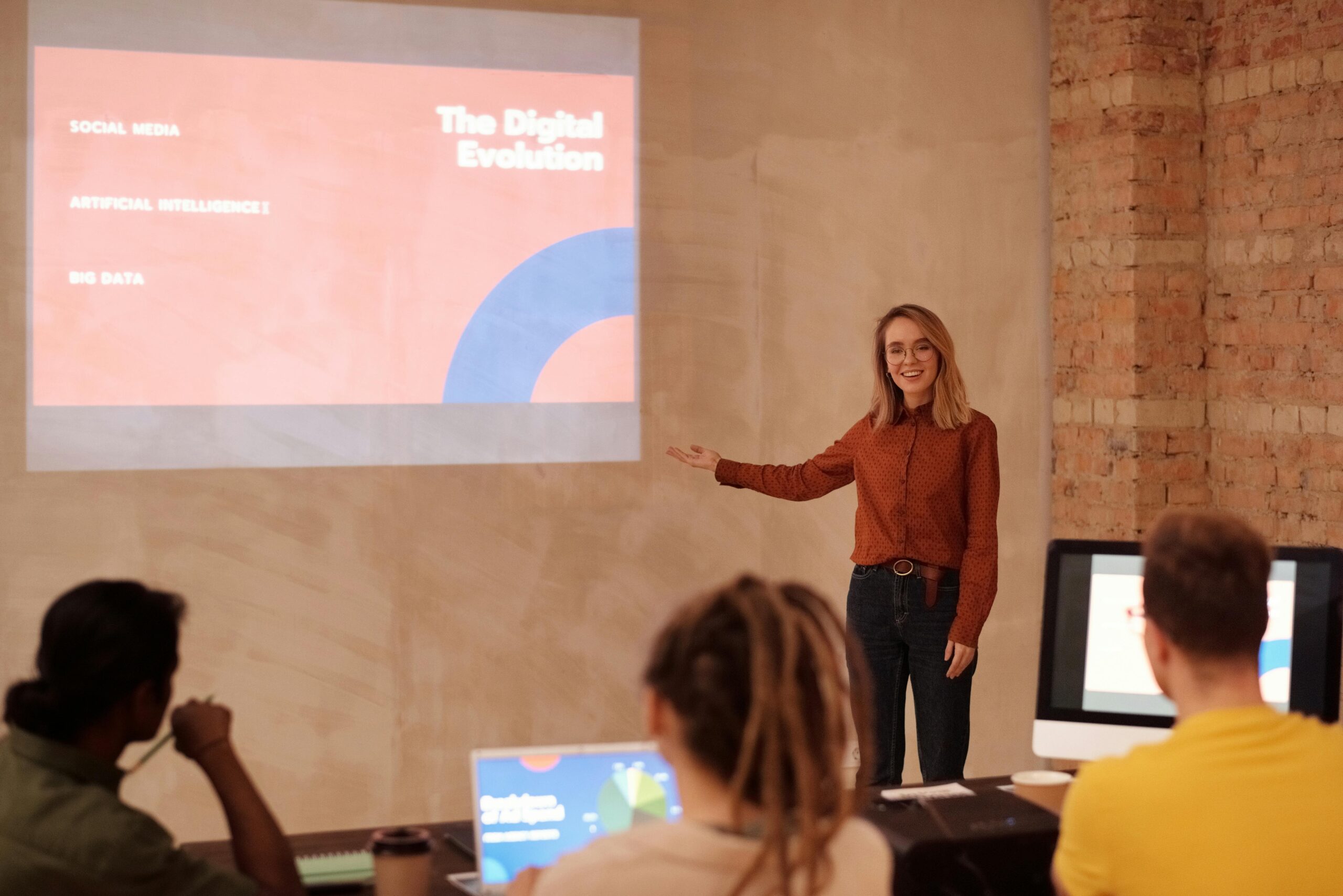
For tech teams, this translates into the ability to present ideas effectively, whether through prototypes, demonstrations, or real-world applications. AI literacy, therefore, extends beyond technical understanding to include how work is communicated and experienced.
Final Thoughts
As AI continues to evolve, so do the expectations of those building and leading technology companies. Founders are no longer looking for technical expertise. Instead, they are seeking individuals who can think fluidly, adapt quickly, and engage creatively with complex systems.
When the workplace culture is primarily focused on optimization, there remains significant value in approaches that embrace uncertainty. Whether in art or technology, the ability to trust instinct, work through ambiguity, and refine ideas over time is proving indispensable.