
Image credit: Pixabay
For job seekers in this era of AI, sending an application often feels like a void. It’s not just about the surge in applicants; automated screening tools and one-click job boards have turned the job-hunting process into an oversaturated, noisy environment.
While companies are leveraging artificial intelligence for candidate shortlisting, experts see the sheer volume of competition and the decline in human interaction as the greater challenges in hiring systems. Candidates no longer compete to stand out for their individual qualifications. Instead, they are competing for clarity, relevance, and proof of value in their resume.
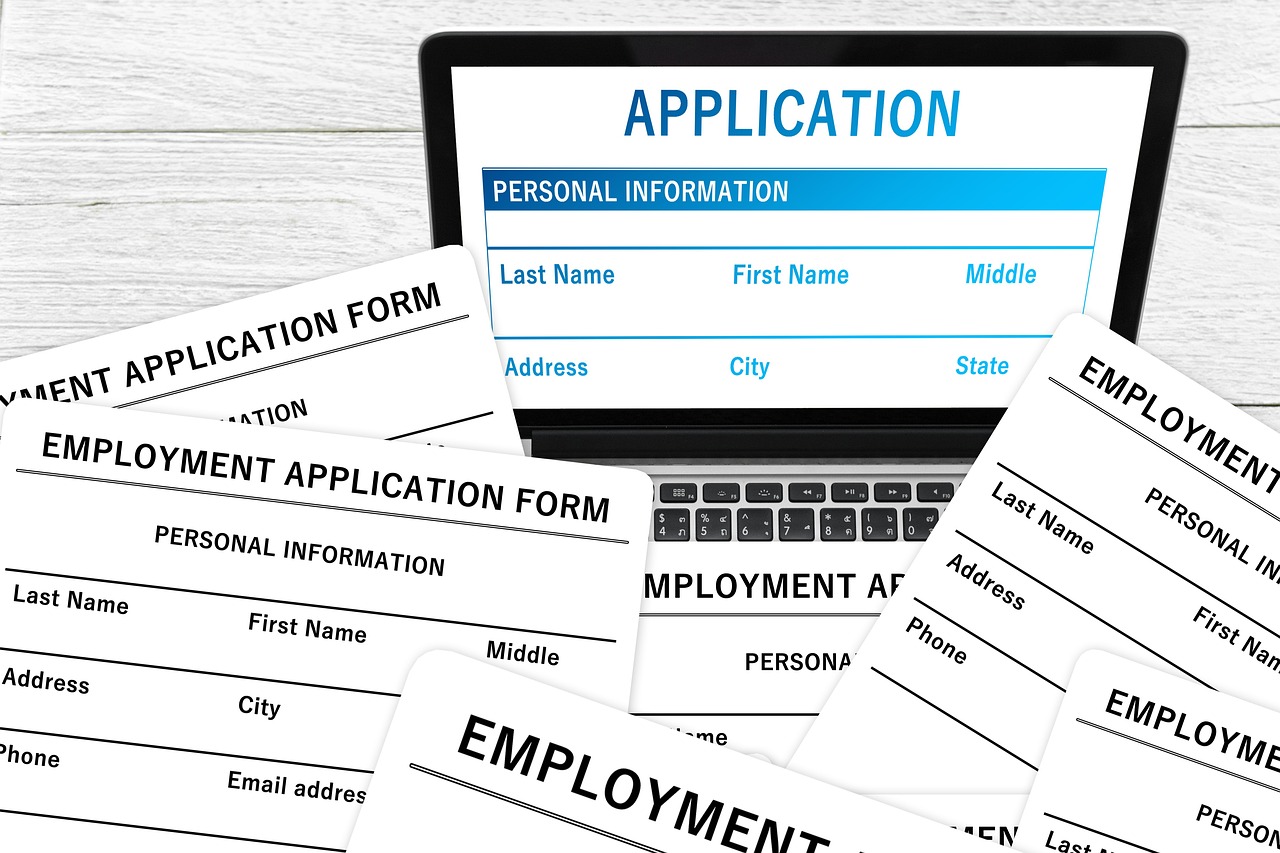
Employers are relying on applicant tracking systems (ATS) to manage hundreds, or even thousands, of applications. Unfortunately, this technology has become the first hurdle in the hiring process. Even after being shortlisted, a candidate still needs to convince a human decision-maker. The result is a job market where precision matters more than ever.
Stop Treating the Resume Like a History Document
One of the most common mistakes candidates make is considering their resume as a record of past responsibilities rather than a tool for persuasion. Modern resumes must accomplish two goals at once. They should satisfy automated filters and also quickly communicate value to hiring managers. That means clear formatting, careful alignment of keywords with the job description, and concrete outcomes rather than vague duties.
Kolby Goodman, Career Coach at The Job Huntr, says candidates should rethink how they frame the document altogether.
“I look at the resume as a piece of marketing for the audience.”
Instead of listing tasks, the most effective resumes show how a candidate solves problems, improves outcomes, or drives results. A resume that demonstrates impact can immediately create that confidence.
Tailoring Matters More Than Volume
Many job seekers respond to a difficult market by submitting more applications. Yet, broad, one-click applications often produce fewer results. Experts say targeted submissions, those aligned closely with the role’s language and requirements, are far more likely to surface during screening.
Lauren Winans, Principal HR Consultant at Next Level Benefits, says the strategy is straightforward but often overlooked.
“I think the best way to get a role and get it fast is to find a human who can help you get there.”
Winans also advises candidates to maintain ATS-friendly formatting while focusing on selective, personalized applications.
Networking Is Not Optional Anymore
If the hiring process has become more automated, the most effective shortcut remains deeply human. Career experts increasingly emphasize networking not as self-promotion but as relationship-building. Conversations, referrals, and shared connections often move candidates past the earliest screening barriers.
Alex Ellison, Founder of Throughline Guidance, encourages job seekers to start with their immediate circles.
“The more intimate and personal the connections the better.”
Instead of blasting resumes into online portals, Ellison suggests identifying “low hanging fruit” such as former colleagues, alumni contacts, mentors, and professional peers who may provide insight or introductions. Those connections can bring a candidate’s application into view long before algorithms finish sorting resumes.
Candidates Need to Show Evidence, Not Just Enthusiasm
According to hiring professionals, candidates must look beyond networking and targeted applications and make their achievements unmistakably clear.
Recruiters often scan resumes in seconds, searching for measurable evidence of success. Quantified results, clear outcomes, and relevant accomplishments help decision-makers quickly understand a candidate’s value.
Peter Franks, Editor at No Latency, says clarity is essential from a hiring perspective.
“You can’t value what you don’t understand.”
When candidates make their impact obvious and easy to interpret, recruiters can quickly determine whether the experience aligns with the role.
Personal Branding Is Becoming a Differentiator
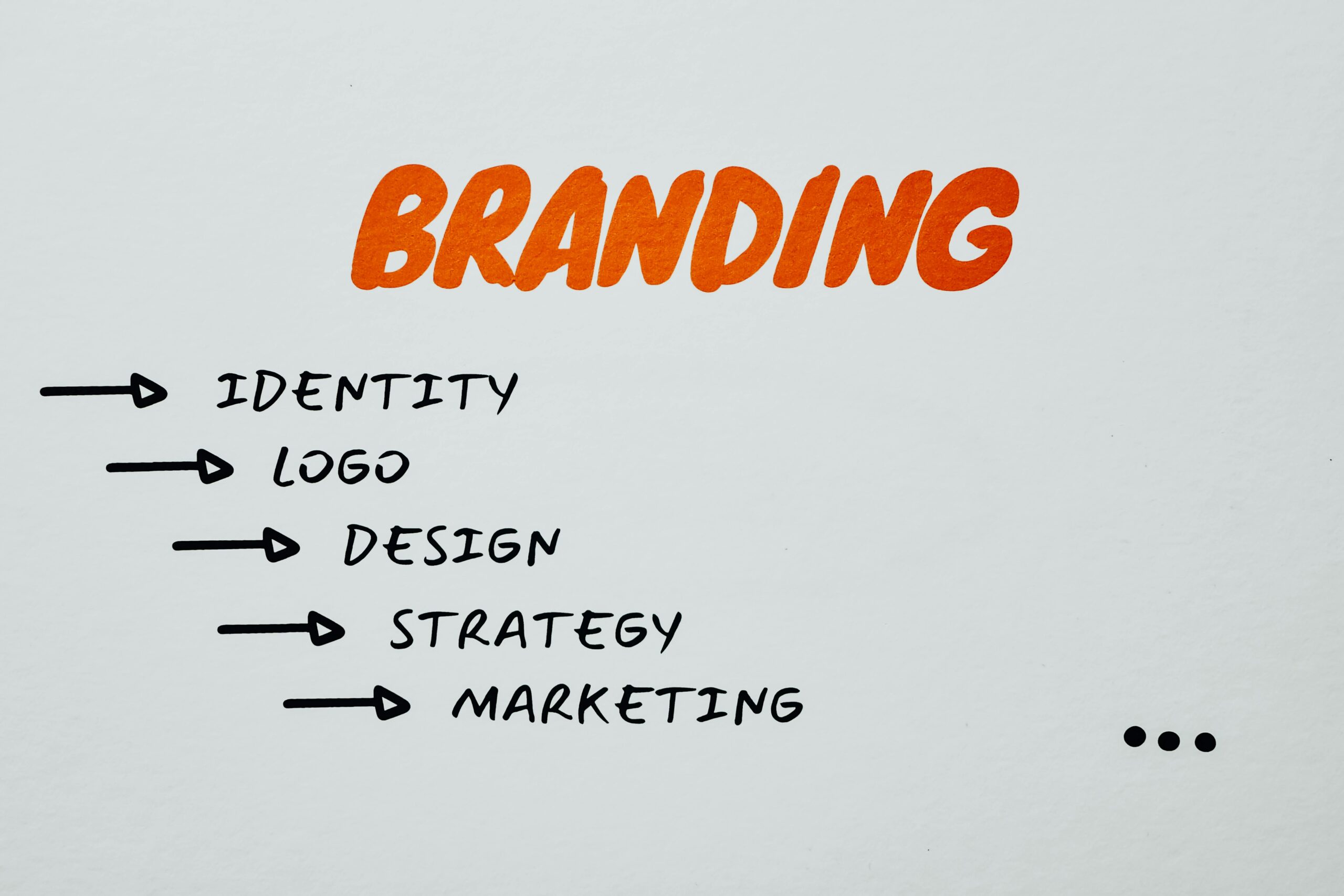
As AI-assisted applications become more common, professional identity is increasingly becoming a determining factor. Candidates who communicate a clear perspective, specialty, or professional story often stand out in crowded applicant pools.
Lisa Dupras, Career Coach at Elev8 Coaching & Resumes, says clarity of value is critical.
“You need to make your value speak to the job you’re applying to so that a recruiter looks at it and says, I want this person.”
A strong personal brand, visible through resumes, professional profiles, and networking conversations, can help candidates convey their message more clearly.
AI Is Important, But People Still Matter
AI might have dominated hiring systems today, but experts believe humans remain relevant in the fundamentals of a successful job search.
Candidates who combine ATS-friendly resumes, targeted applications, clear evidence of results, meaningful relationships, and a defined professional identity are far more likely to generate responses. As automated systems drive the job market, the goal is not to overpower the technology but to become more specific, more credible, and ultimately more human.