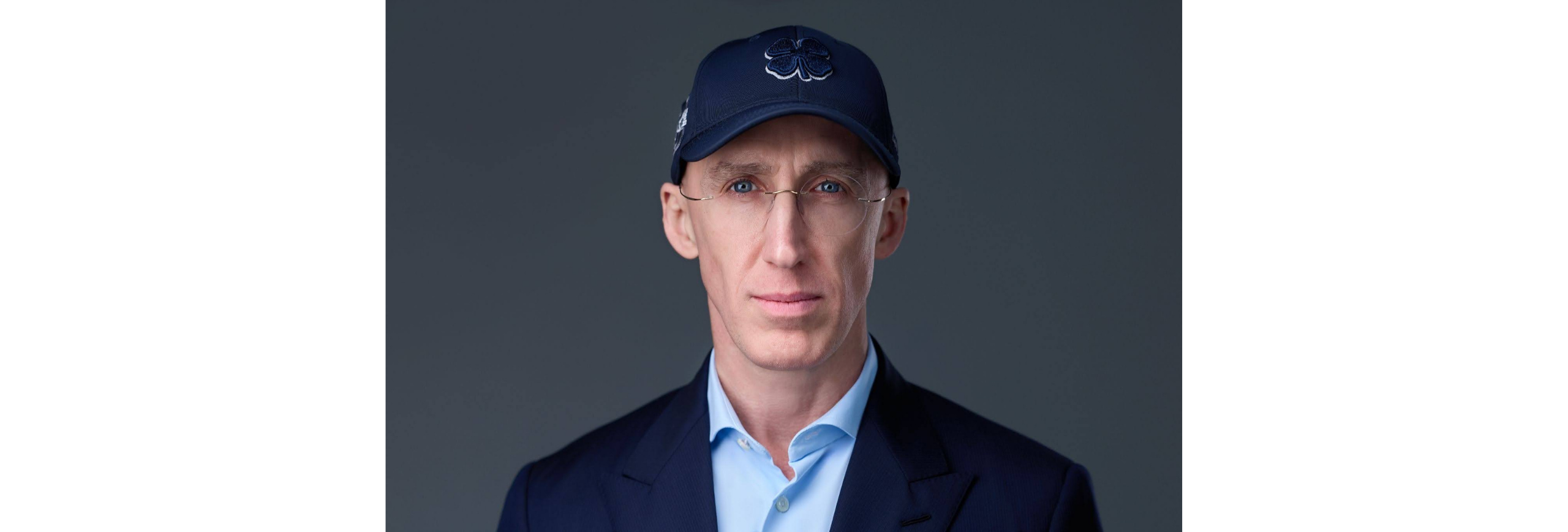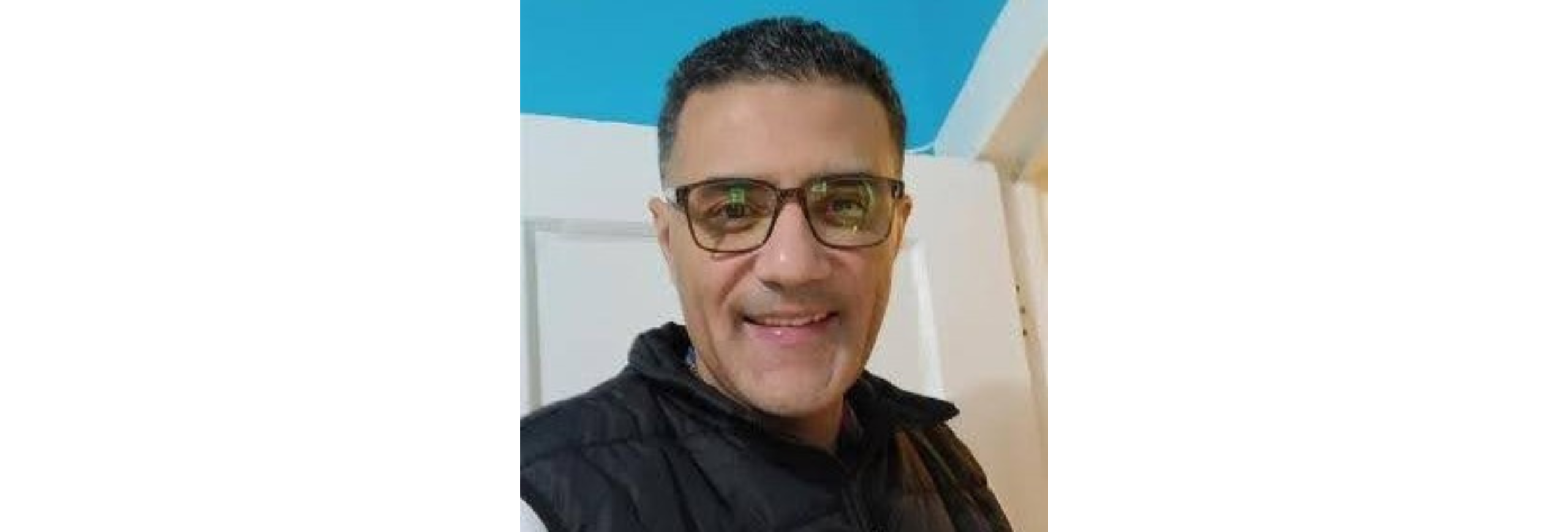

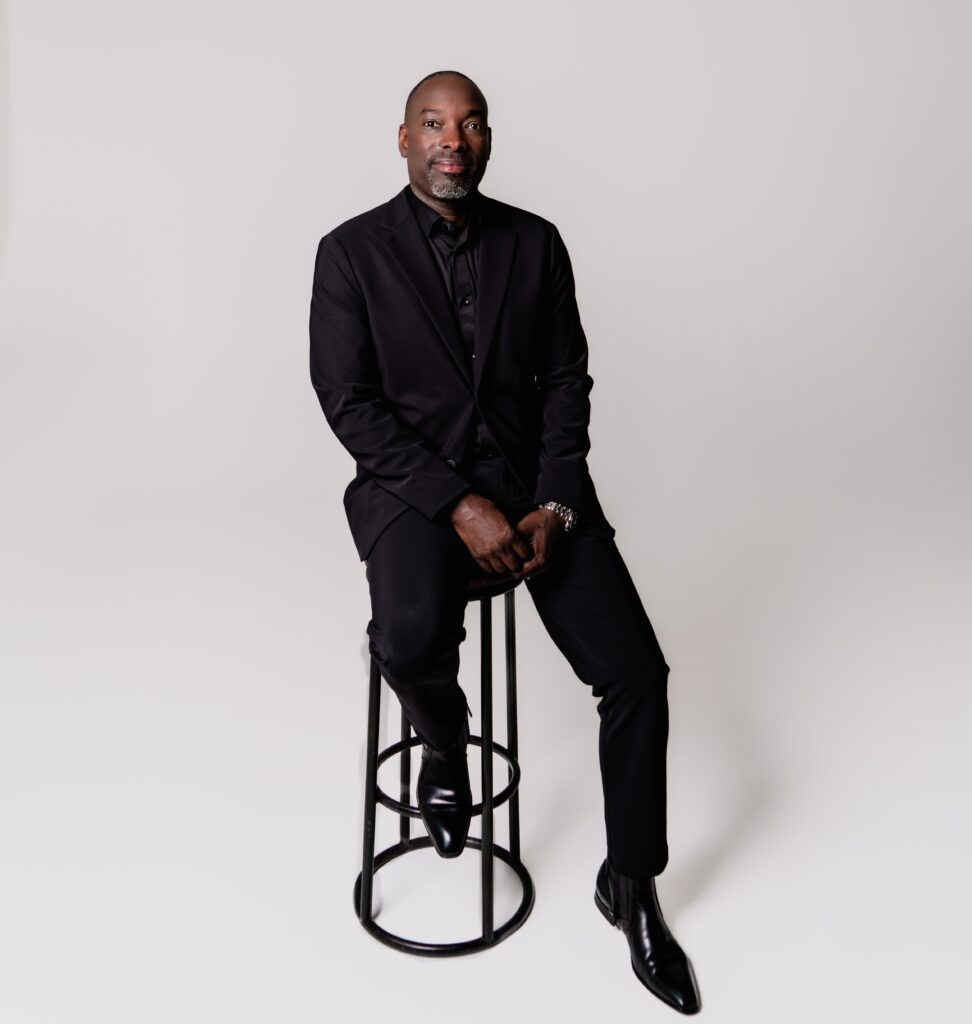
Managed Health is entering a transformative phase of growth under the leadership of CEO Mouhamet Seye, as the company continues expanding its presence across the healthcare and employer benefits landscape. With a rapidly growing client portfolio, investments in healthcare technology, and a strong emphasis on increasing accessibility for underserved employees, Managed Health is positioning itself as a modern solution for organizations seeking more flexible and scalable healthcare support systems. Over the last several months, the company has experienced significant momentum, particularly through the acquisition of larger hospitality and franchise-based clients, signaling not only operational growth but also a broader shift in how organizations are approaching employee healthcare solutions.
While Managed Health initially worked with a relatively small number of boutique hotels and independent organizations, the company is now beginning to secure partnerships with larger franchise-level groups and nationally recognized hospitality brands. According to Seye, these partnerships represent more than just business expansion — they reflect the company’s increasing credibility within highly competitive industries where employee healthcare remains one of the most important operational and financial considerations. The recent growth has also contributed to a stronger sense of internal stability and morale, as the organization continues building infrastructure capable of supporting large-scale employer partnerships.
That momentum is expected to continue throughout the year. Managed Health currently anticipates at least doubling in size, with internal projections aiming even higher as additional organizations are expected to onboard during the summer months. Seye explained that while sales and new partnerships are naturally critical to the company’s growth, the organization’s long-term focus extends far beyond expansion alone. Much of Managed Health’s current strategy is centered around solving one of the healthcare industry’s most persistent problems: the lack of affordable and accessible healthcare options for employees who fall outside traditional full-time work classifications.
Historically, employer-sponsored healthcare has primarily been designed around full-time employees working a minimum number of weekly hours — typically between 30 and 35 hours per week. As a result, part-time employees, seasonal workers, and individuals with inconsistent schedules are often excluded from receiving quality healthcare benefits despite remaining essential contributors to the workforce. Managed Health is actively working to change that model. While approximately 70 percent of employees within participating organizations currently qualify for the company’s healthcare offerings, leadership is now developing systems that would expand access to the remaining portion of workers who have historically been left outside conventional employer-sponsored healthcare structures.
For Seye, this initiative represents far more than a business strategy — it reflects a larger effort to modernize how healthcare accessibility functions within today’s workforce. The rise of flexible labor models, gig-based employment, and part-time staffing has created a growing disconnect between traditional healthcare eligibility requirements and the realities of modern employment. Many companies now rely heavily on workforces made up of interns, seasonal employees, contractors, and reduced-hour staff members, all of whom may contribute significantly to operations while still lacking healthcare access.
At the same time, determining eligibility is rarely simple from an employer’s perspective. Seye noted that organizations must navigate a highly regulated and often complex compliance environment in order to determine which benefits can legally be offered to different categories of workers. Entire HR departments are often dedicated solely to understanding healthcare regulations, payroll structures, and compliance requirements. “It’s a full-time job,” Seye explained, emphasizing the amount of operational oversight required to properly administer employee healthcare plans while remaining compliant with regulations.
However, while employers may view healthcare administration through a compliance lens, employees experience it much more personally. For many workers, access to healthcare directly impacts financial stability, emotional wellbeing, and quality of life. The stress associated with lacking insurance coverage can create significant emotional strain, particularly for individuals managing chronic conditions or ongoing medical needs. Managed Health’s leadership recognizes that reality as one of the driving forces behind the company’s mission to create more inclusive healthcare systems capable of supporting a wider range of employees.
As the company works to expand accessibility, it is also investing heavily in technology designed to modernize the overall healthcare experience. Managed Health is currently developing a mobile application intended to simplify how employees access, understand, and navigate their healthcare benefits. Rather than relying on physical insurance cards, paperwork, or lengthy customer service processes, employees will be able to manage nearly every aspect of their healthcare information directly through their phones.
The platform is designed to provide employees with immediate access to insurance details, prescription pricing, plan information, and support resources within a single digital interface. According to Seye, the app is intended not only to improve convenience, but also to eliminate much of the confusion that often surrounds healthcare benefits. Employees frequently struggle to understand coverage structures, deductibles, prescription pricing, and eligibility guidelines, particularly within traditional insurance systems that can feel overly technical and difficult to navigate.
Managed Health hopes the app will create a far more transparent and user-friendly experience. For example, employees standing at a pharmacy counter could quickly verify the expected cost of a medication directly within the app before completing a purchase. In many cases, prescription costs may be significantly lower than anticipated, with some medications available for only a few dollars — or even at no cost depending on the healthcare plan structure. Employees will also be able to communicate directly within the platform to ask questions regarding coverage, benefits, or healthcare services in real time.
For Seye, this digital-first approach reflects the way consumers increasingly expect to interact with services in nearly every area of life. Modern employees are accustomed to handling communication, banking, scheduling, and everyday tasks directly from their mobile devices, and healthcare is beginning to follow that same evolution. Managed Health views technology not simply as a convenience, but as a necessary tool for improving engagement, accessibility, and confidence within the healthcare process.
Under the leadership of Mouhamet Seye, Managed Health’s growth reflects a broader shift occurring across both healthcare and workforce management industries. Employers are increasingly recognizing that accessible healthcare benefits directly influence employee retention, morale, productivity, and organizational stability. At the same time, employees are demanding healthcare systems that are easier to navigate, more transparent, and more inclusive of diverse employment structures.
By combining scalable technology, strategic expansion, and a mission centered around healthcare accessibility, Managed Health is positioning itself as a forward-thinking organization prepared to meet the evolving demands of today’s workforce. As the company continues expanding its national presence and technological capabilities, leadership remains focused on creating healthcare solutions that are both modernized and accessible — particularly for employees who have traditionally been overlooked within standard healthcare models.
Written in partnership with Tom White