
Image credit: Pexels
As businesses move away from hustle culture, leaders are discovering that sustainable productivity depends on trust, recovery, and people-first leadership.
Conversations around burnout, employee engagement, and sustainable productivity have majorly influenced modern workplaces. Across industries, companies are questioning whether traditional “grind culture” practices still deliver long-term results or simply exhaust employees faster. Today, business leaders are more inclined toward strategies that prioritize consistency, emotional well-being, and sustainable performance.
This fresh approach reflects a broader understanding that work ethic is not created through fear-based management. Instead, many organizations are finding that high performance grows from clear systems, strong leadership, and workplace cultures built on trust and accountability.
Why Sustainable Work Ethic Starts With Leadership
Leadership plays a significant role in building workplace culture and enhancing employee motivation. Companies focused on long-term success are realizing that employee well-being directly affects productivity and creativity.
In many organizations, leaders are already normalizing recovery, emotional regulation, and healthy boundaries to foster stronger engagement among teams. Rather than rewarding exhaustion, they are encouraging sustainable performance habits to ensure their employees remain productive over time.
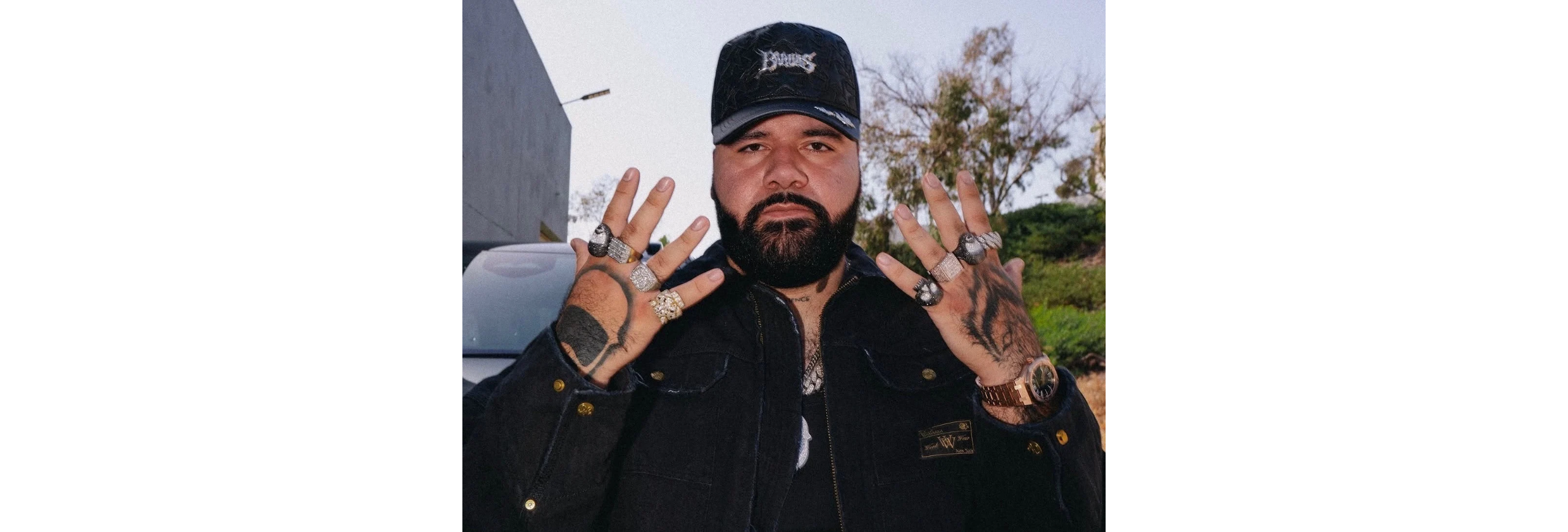
Oscar Trelles, Founder of Breathing Flame, believes this change is essential for maintaining high standards in modern workplaces.
“A strong work ethic is not sustained by pressure alone. It comes from clarity, rhythm, and trust.”
That philosophy reflects a growing movement among executives who view leadership as a stabilizing force rather than a source of constant pressure.
Treating Employees Like People, Not Metrics
Many organizations are emphasizing the human side of management. Companies are acknowledging employees’ personal realities to build stronger morale, improved retention, and better long-term engagement.
People-first leadership approaches now include regular appreciation, flexibility during difficult periods, and support systems that recognize employees as individuals rather than performance metrics. These strategies are becoming particularly important in competitive labor markets where loyalty is harder to maintain.
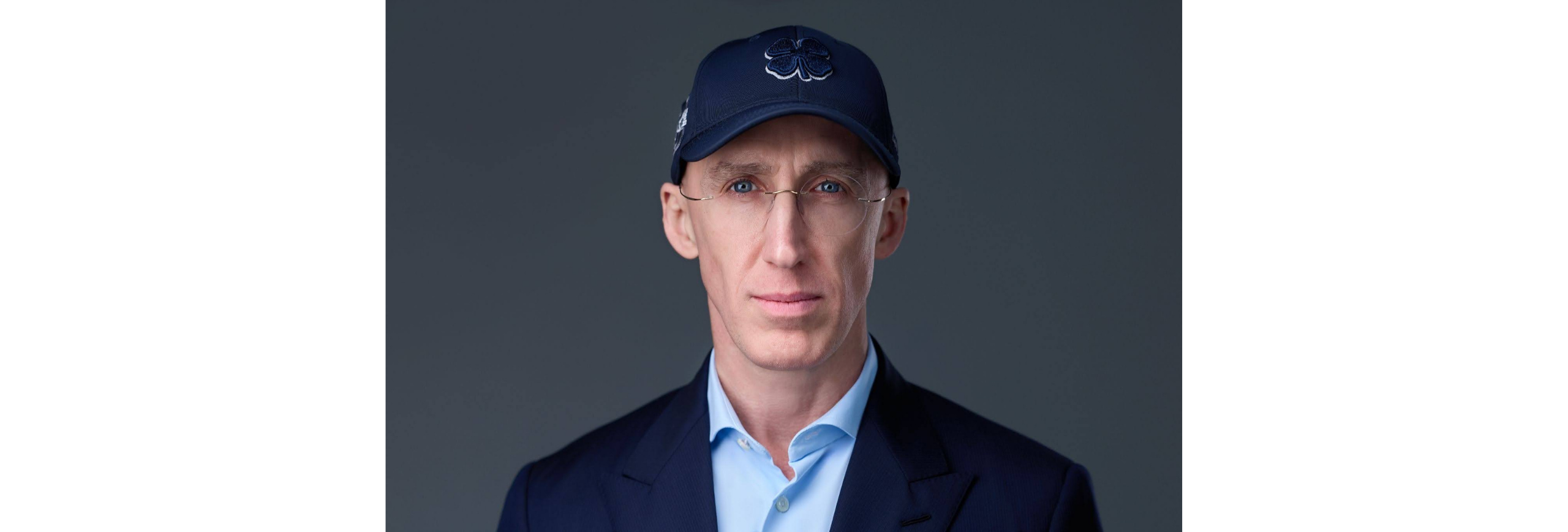
RTMNexus has emphasized a philosophy centered on humanistic leadership and employee support, reinforcing the importance of empathy in business operations.
Dominick Miserandino, CEO of RTMNexus, summarized the company’s perspective, saying, “Business is not anonymous. There’s people behind the scenes.”
This mindset reflects a broader business trend where leaders are recognizing the value of a sustainable work ethic to ensure their employees feel respected, valued, and understood.
Building Long-Term Loyalty Through Respect and Communication
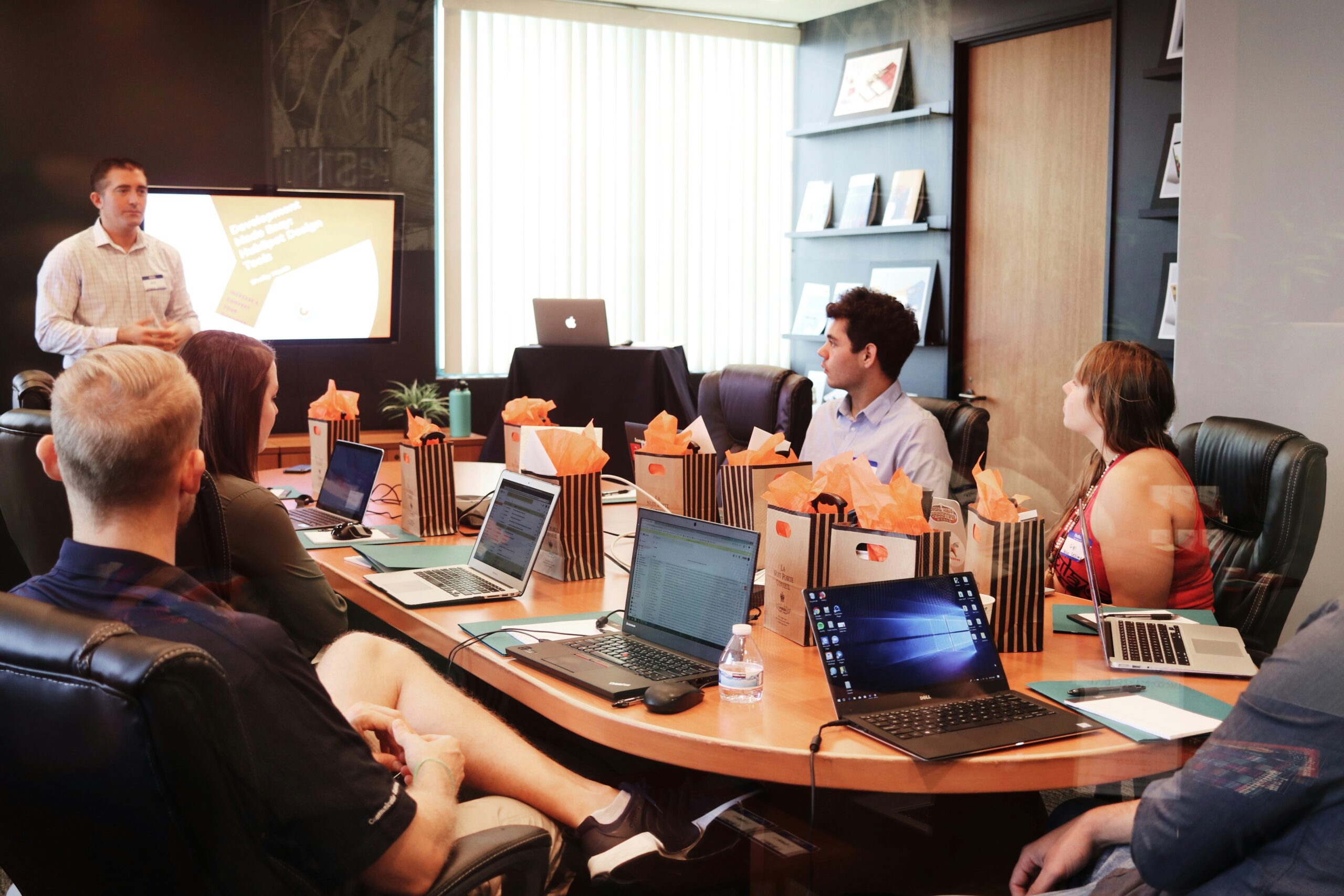
As remote and multicultural teams become more common, transparency and communication are gaining importance. Many organizations are now prioritizing trust and mutual respect to encourage higher accountability and performance in employees.
Hiring strategies are also evolving. Instead of focusing solely on technical expertise, some companies are prioritizing communication style, adaptability, and shared values. Leaders believe these qualities help create stronger long-term collaboration.
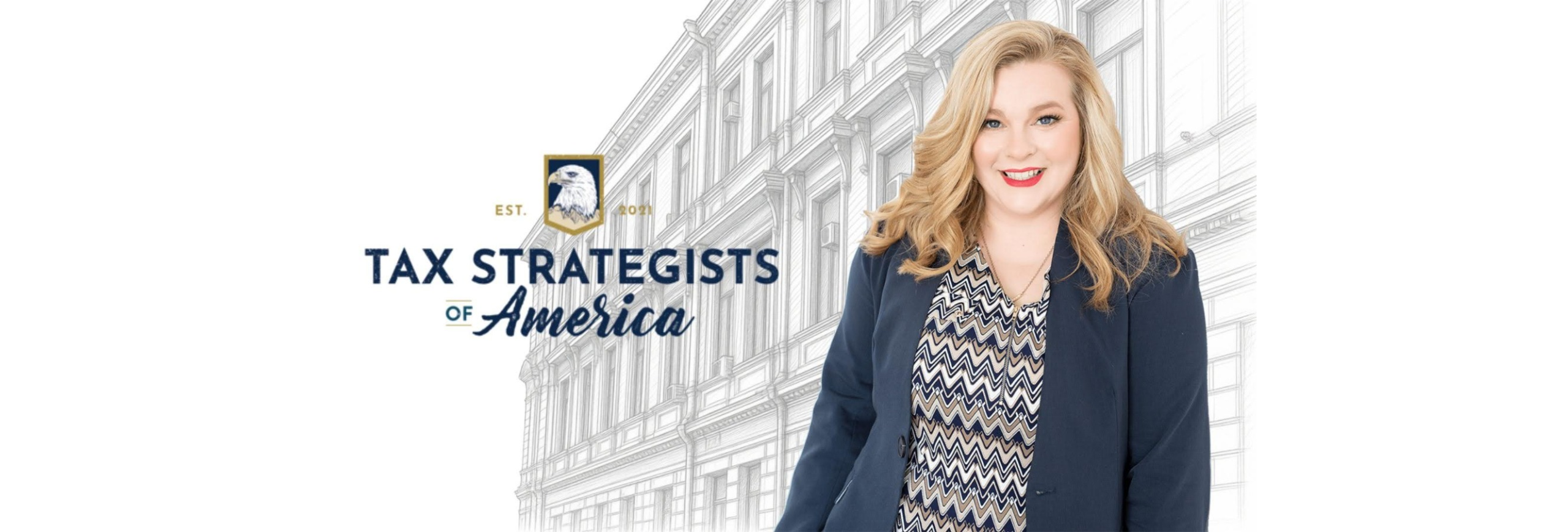
Qubit Labs highlighted the importance of loyalty and relationship-building between clients, teams, and candidates as part of its broader organizational philosophy.
According to Iva Kozlovska, CEO of Qubit Labs: “It’s always about people. You will speak with people, you will collaborate with people.”
Preventing Burnout Before It Happens
Burnout prevention strategies are also becoming more proactive. Rather than relying solely on reactive wellness perks, many companies are introducing structural support systems to protect employee energy.
Mandatory vacation time, respecting local holidays, encouraging recovery periods, and allowing flexible workloads are now being integrated into modern work cultures across industries. Companies are also focusing on setting boundaries around work expectations and after-hours communication.
These approaches show a deeper realization that sustained performance cannot rely on constant output alone.
The Future of Work Ethic in Modern Business
As AI, remote work, and changing workforce expectations continue to transform business operations, companies are redefining a strong work ethic. Emotional intelligence, communication skills, adaptability, and collaboration are becoming more valuable alongside traditional productivity measures.
Many organizations are now experimenting with more flexible leadership models that balance accountability with employee well-being. The focus is gradually moving away from performative hustle culture toward systems that support sustainable excellence.
Businesses are discovering that a strong work ethic and employee well-being are not opposing ideas. Organizations aiming for sustained growth are creating environments where employees can consistently produce high-quality work without sacrificing their physical or emotional health.