
Image credit: Pexels
The current digital economy is empowering businesses to compete without limitations based on geographic boundaries or operational size. The business environment is a zone of technological transformation that receives a continuous stream of new online content. Brands now compete across multiple platforms, making traditional advantages such as larger budgets and broader market access insufficient to achieve brand visibility.
As digital saturation intensifies, companies must focus on standing out from competitors to gain greater visibility. Price reductions and marketing strategies no longer offer a lasting competitive advantage. Therefore, brands seek ways to express their value more clearly to establish more meaningful connections with their target audience.
The Shift to Authority and Expertise
The shift from budget-driven visibility toward authority-based positioning is a notable change in modern marketing. Brands are no longer interested in outspending their competitors; instead, they are investing in expertise, insights, and thoughtful leadership to build credibility. This shift has opened the door for smaller companies to compete with larger players.
Marketing agency Youbee Media has highlighted this transition toward authority-driven branding. Rebecca Hopwood, Founder & Marketing Director at Youbee Media, emphasizes that connection remains at the core of effective marketing.
“Marketing, it’s always human to human. It’s not business to business or business to consumer… it’s human to human.”
AI as a Tool, Not a Replacement
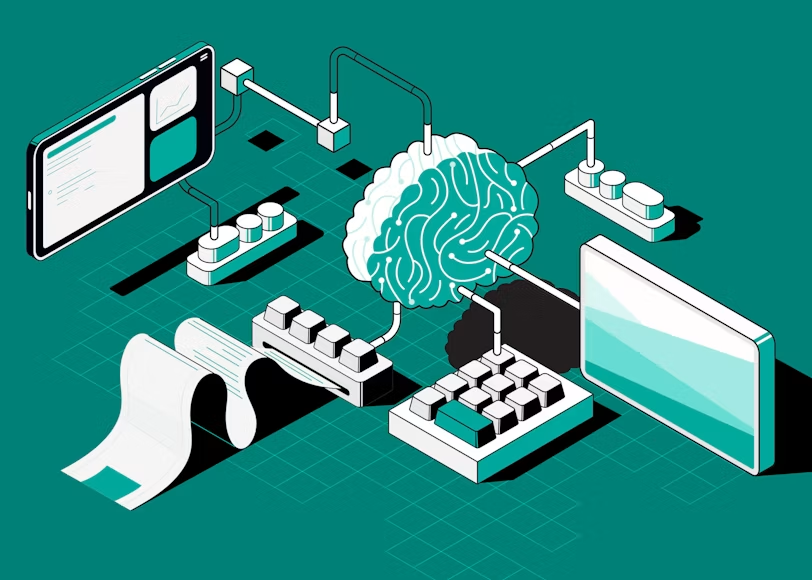
Artificial intelligence has rapidly changed marketing operations. From content creation to campaign optimization, AI tools are now helping teams move faster and more efficiently. Yet many marketers caution that automation should not replace a brand’s voice. When organizations rely too heavily on AI without clear direction, authenticity is compromised.
Companies must guide AI tools with a strong identity and strategic intent. Agencies such as Roketto highlight how AI is already altering marketing timelines, pricing structures, and client expectations.
Ulf Lonegren, Co-Founder of Roketto, describes the magnitude of the shift:
“It’s not an exaggeration to say that this change is way bigger than any other ongoing changes that were regularly happening in the space.”
The Power of Niche and Focused Messaging
Another defining trend in modern brand strategy is specialization. Attempting to appeal to everyone often dilutes messaging and reduces impact. Niche positioning allows brands to build stronger emotional connections with a specific audience and use marketing resources more efficiently.
Priority Designs has advocated for this focused approach. According to Vicki Breon, Senior Strategist & Brand Designer at Priority Designs, narrowing the target audience can be a deliberate strategic advantage.
“Standing out means intentionally choosing to niche down.”
Emotional Connection Drives Decisions
While marketing strategies often emphasize analytics and data, consumer behavior remains deeply emotional. People remember brands that make them feel understood, valued, or surprised. Storytelling and relatability have therefore become central elements of modern brand communication.
Online retailer Chewy, for example, has earned widespread recognition for sending condolence gifts to customers who lose pets. These gestures frequently circulate on social media, reinforcing trust and strengthening loyalty.
Strategic Use of Platforms and Resources
As marketing channels multiply, brands struggle to choose where to focus their efforts. Spreading resources across every platform can dilute impact and strain budgets.
Many strategists now recommend prioritizing two or three key channels where the target audience is most active. Discovery-driven platforms are increasingly shaping how consumers encounter new brands. However, clarity remains crucial in every message conveyed.
Aligning Brand Promise With Product Reality
Even the most compelling marketing message can falter if the product fails to deliver. Sustainable differentiation depends on alignment between marketing claims and product performance. For many organizations, this means closer collaboration between product development teams and marketing departments.
Managing Change and Brand Evolution
For established brands, the bigger challenge is evolving without alienating loyal audiences. Sudden or dramatic rebranding can trigger backlash if customers feel disconnected from the change. Many companies are therefore adopting flexible branding strategies that allow gradual evolution.
The Future of Differentiation
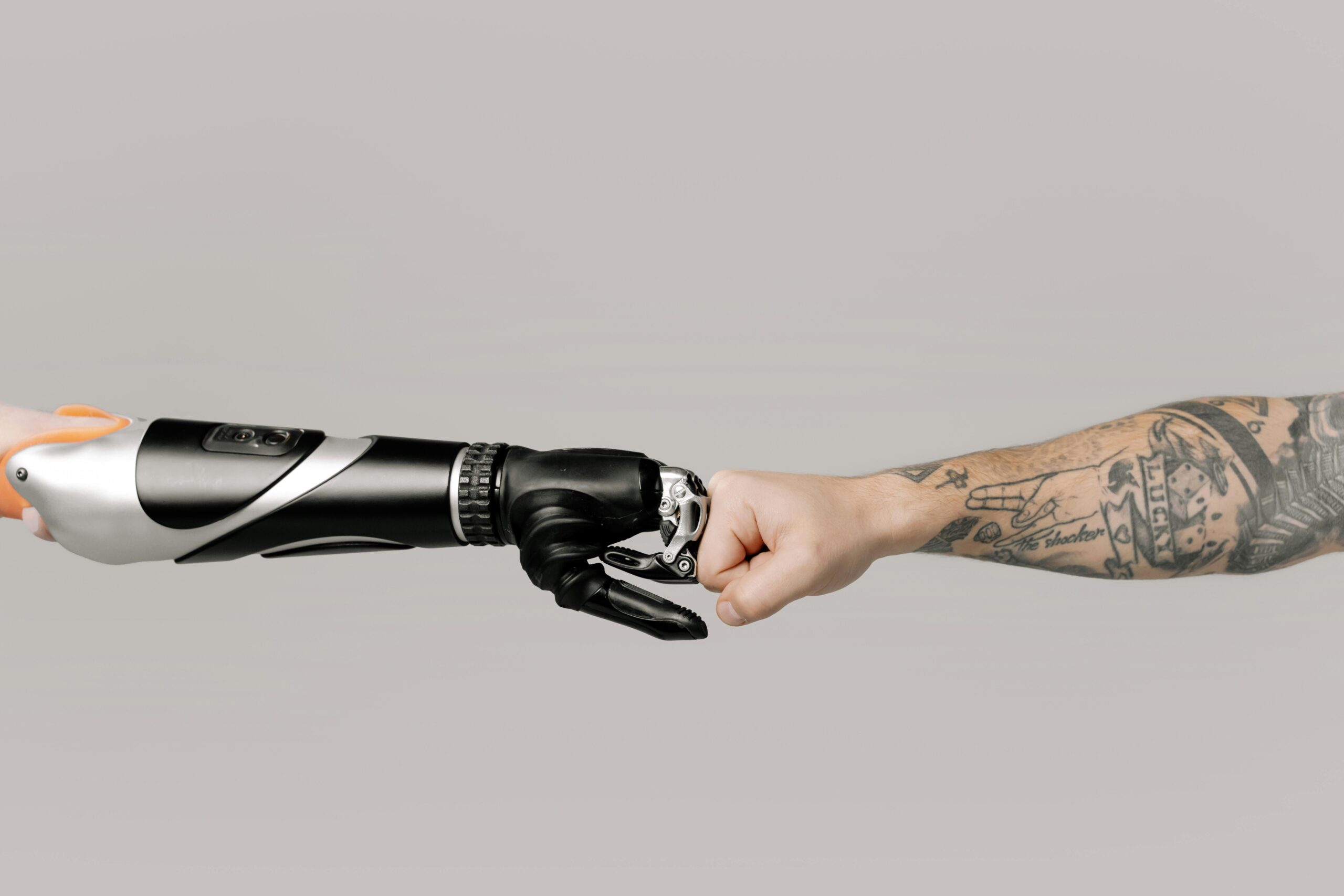
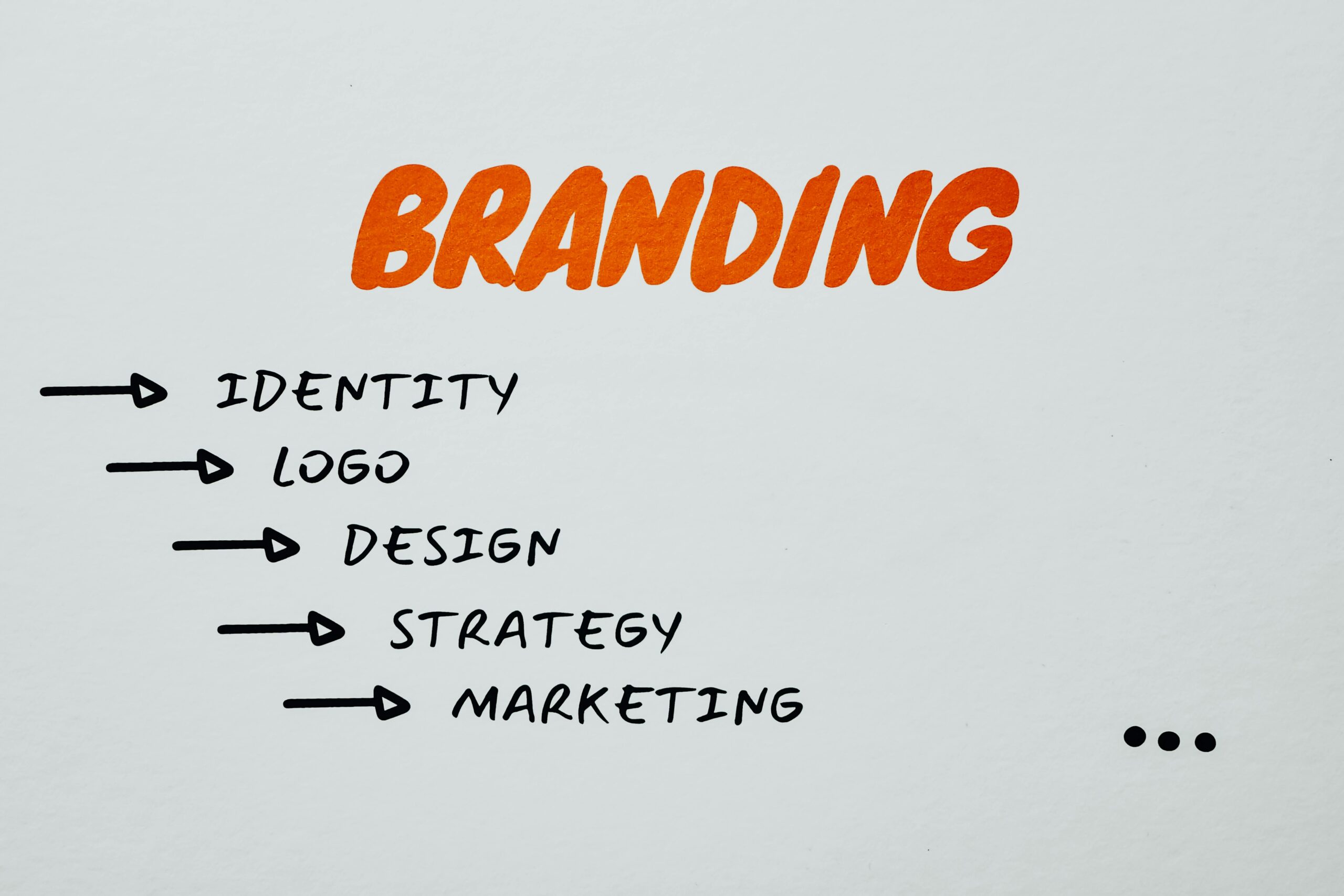
As technology continues to accelerate marketing capabilities, the defining challenge for brands remains deeply human. Successful companies will balance automation with authenticity, speed with clarity, and innovation with trust. Ultimately, brands that consistently align strategy, identity, and meaningful connection will secure lasting differentiation in a rapidly changing landscape.