
Image credit: Pexels
Artificial intelligence is no longer an experimental technology for businesses; instead, it is a central priority for achieving growth. Across industries, businesses are investing in AI tools to scale efficiency, reduce operational costs, and upgrade operations. Despite this increase in AI integration, many organizations are failing to achieve the returns they expected.
The Crossroad in AI Adoption
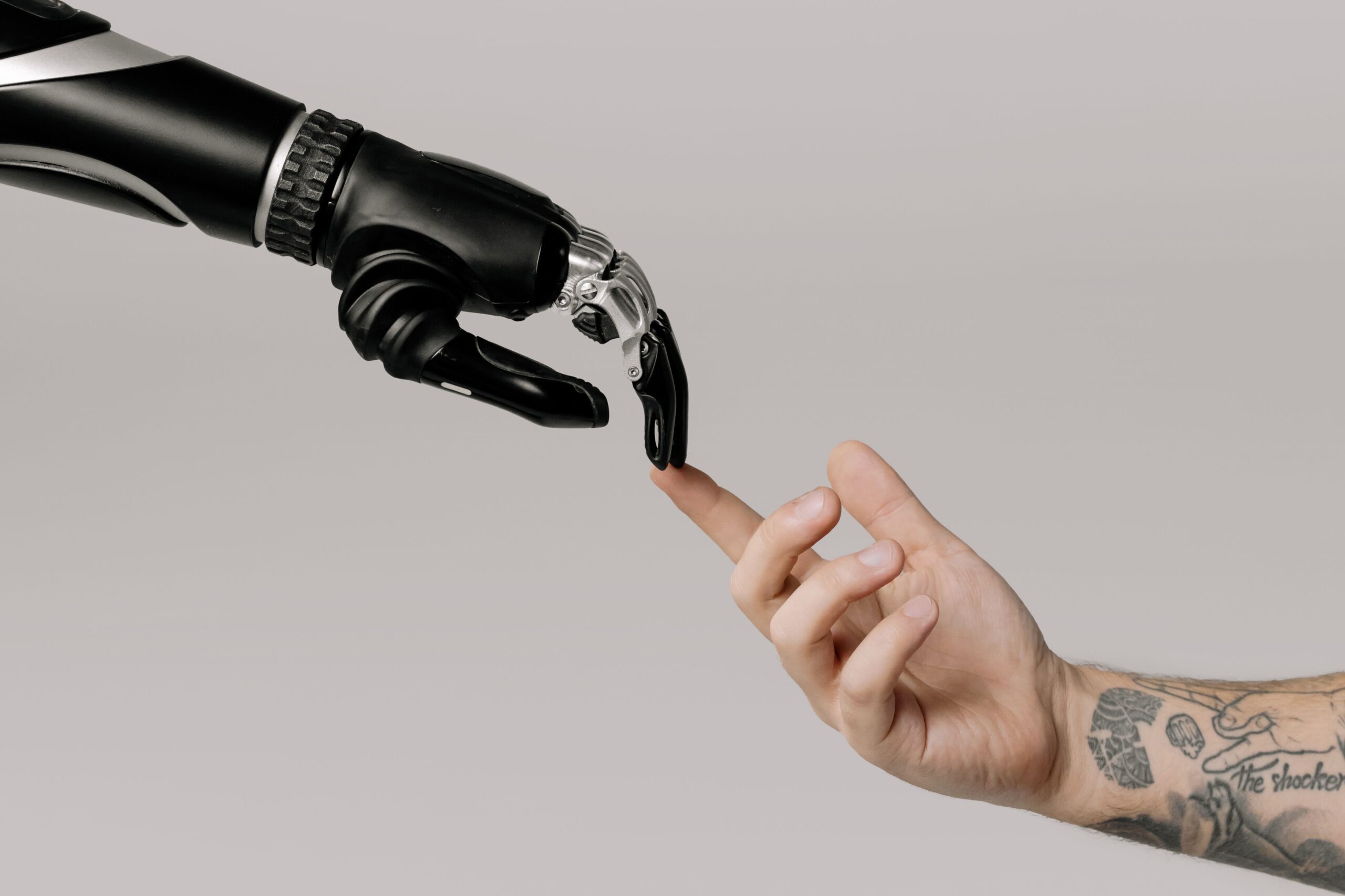
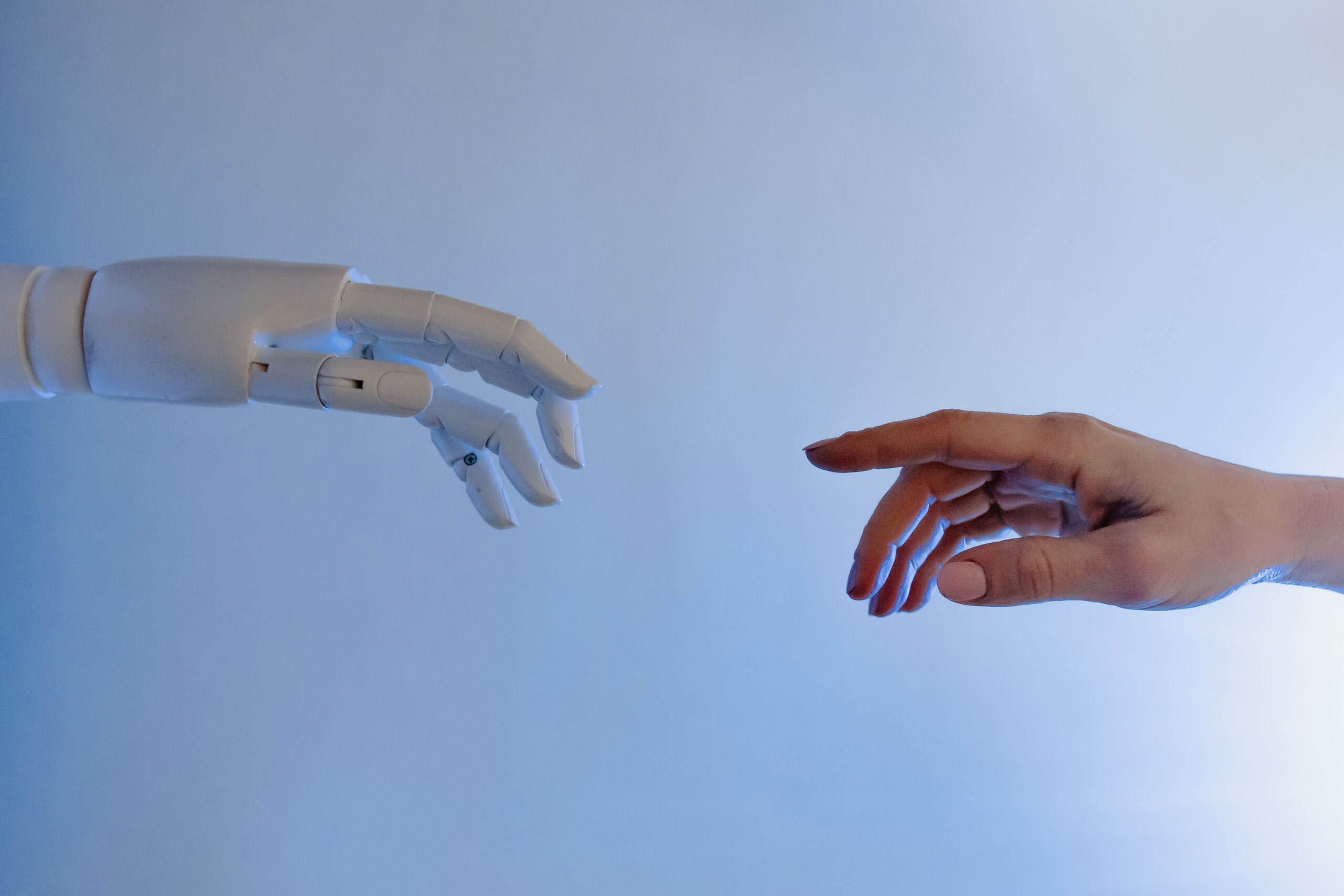
According to Industry experts, the current moment is a fork in the road for businesses experimenting with AI. One path prioritizes automation, seeking to replace human involvement wherever possible. The other path is often called human-first AI, which focuses on using technology to strengthen human capabilities rather than replace them.
The stakes are high as concerns about job displacement continue to grow. Organizations are also struggling to overcome the problem of AI implementations that fail to deliver real value. In this race to adopt AI, the real challenge lies in implementing it wisely.
The Automation Trap: When Efficiency Backfires
Many early AI initiatives followed an automation-first mindset. The logic is that if machines could complete tasks faster and more cheaply, removing humans from the process would maximize efficiency. In practice, the results have often been less promising.
Automation-first systems frequently struggle in dynamic environments because they remove human judgment, the crucial element that enables organizations to adapt to new tools. Without human insight, AI systems can become brittle, breaking down when conditions change or when data fails to match expectations. This challenge helps explain why some estimates suggest that as many as 95 percent of AI implementations deliver negative returns on investment.
Another unintended consequence is the loss of tacit knowledge. When organizations replace experienced workers with rigid automated workflows, they risk losing the institutional memory that helps teams respond to unusual situations. This gradual erosion of knowledge weakens an organization’s ability to handle complex situations.
Why Humans Still Matter More Than Ever
Despite rapid advances in machine learning, certain capabilities remain deeply human. Judgment, adaptability, and creativity continue to determine the way organizations respond to unexpected events. Humans excel in environments where variables shift constantly. This is precisely where rigid AI systems struggle.
The way people learn also plays a role. Research into the “forgetting curve” shows that knowledge fades quickly without reinforcement. Workers often need timely reminders and contextual information to apply what they know effectively. Static training programs alone rarely provide that support.
Human-First AI: A Smarter Path Forward
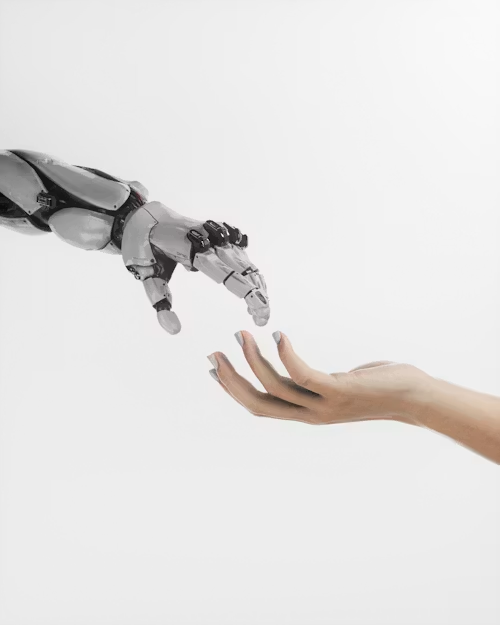
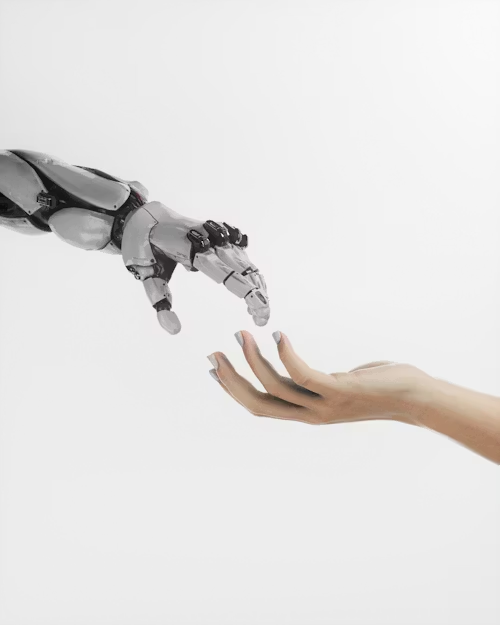
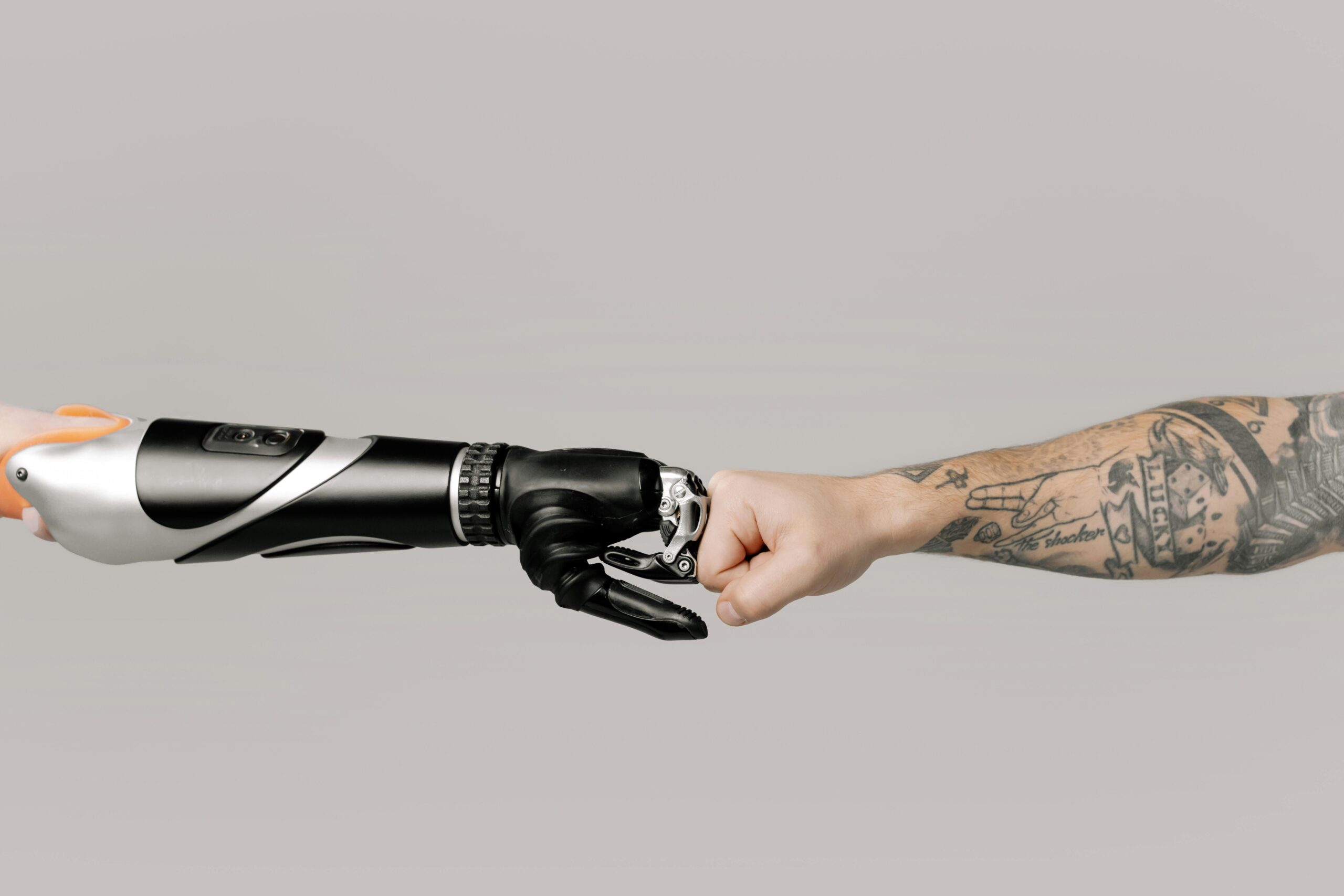
Human-first AI is a different approach to this technology. Instead of attempting to remove humans from the workflow, it positions AI as a guide that supports them. In this model, AI systems deliver relevant information when needed, helping workers make better decisions. Instead of replacing the human workforce, AI becomes a mentor and an aide.
Real-World Application: Scaling Expertise Without Replacing People
Derek Crager, Founder & CEO of Practical AI, has championed this philosophy. His thinking about human-first systems was shaped by his experience working at Amazon, where operational scale highlighted both the potential and the limitations of automation.
Through tools like PracticalAI.App, Crager aims to give workers what he describes as “an expert in their ear,” a form of AI support that delivers guidance in real time.
He explains: “We produce AI that thinks with the human instead of for the human. So, it’s the best of both worlds.”
Avoiding Common AI Implementation Mistakes
Experts believe that many AI initiatives fail because they started the wrong way. Organizations sometimes adopt AI simply because it is trending and not because they have identified a clear problem that only AI can solve.
A more effective approach is problem-first thinking. Businesses must understand the challenge before selecting technology. Without this clarity, AI projects can become over-engineered systems addressing the wrong issue. AI works best when it enhances existing processes rather than replacing them completely.
The Business Case for Human Amplification
The economic argument for human-first AI is clear. When AI amplifies human capability, it can improve operational uptime, accelerate training, and strengthen decision-making. Instead of removing expertise from the workplace, this approach empowers it. The result is a workforce that scales expertise. This shows how the strongest outcomes emerge when human skill and machine intelligence operate together.
Final Thoughts: Building Resilient, Human-Centered Organizations
As AI adoption continues to grow, the question is not whether to use AI but how to integrate it responsibly. Organizations balancing technological innovation with human capability are likely to build more resilient systems. AI should be viewed as a tool for empowerment rather than replacement. This way, companies can avoid the automation trap while unlocking new forms of productivity.