
Image credit: Pixabay
Why Smart Integration and Human Insight Are Defining the Next Era of AI-Driven Marketing.
AI tools are no longer considered new technological advancements but an essential element for marketing in a competitive landscape. Amid the rising popularity of AI-powered marketing, companies are now focusing on strategic planning and responsible usage guidelines to stay relevant and trustworthy. Marketers are embracing new technology to change their methods for running campaigns and connect with more customers.
AI as an Amplifier, Not a Replacement
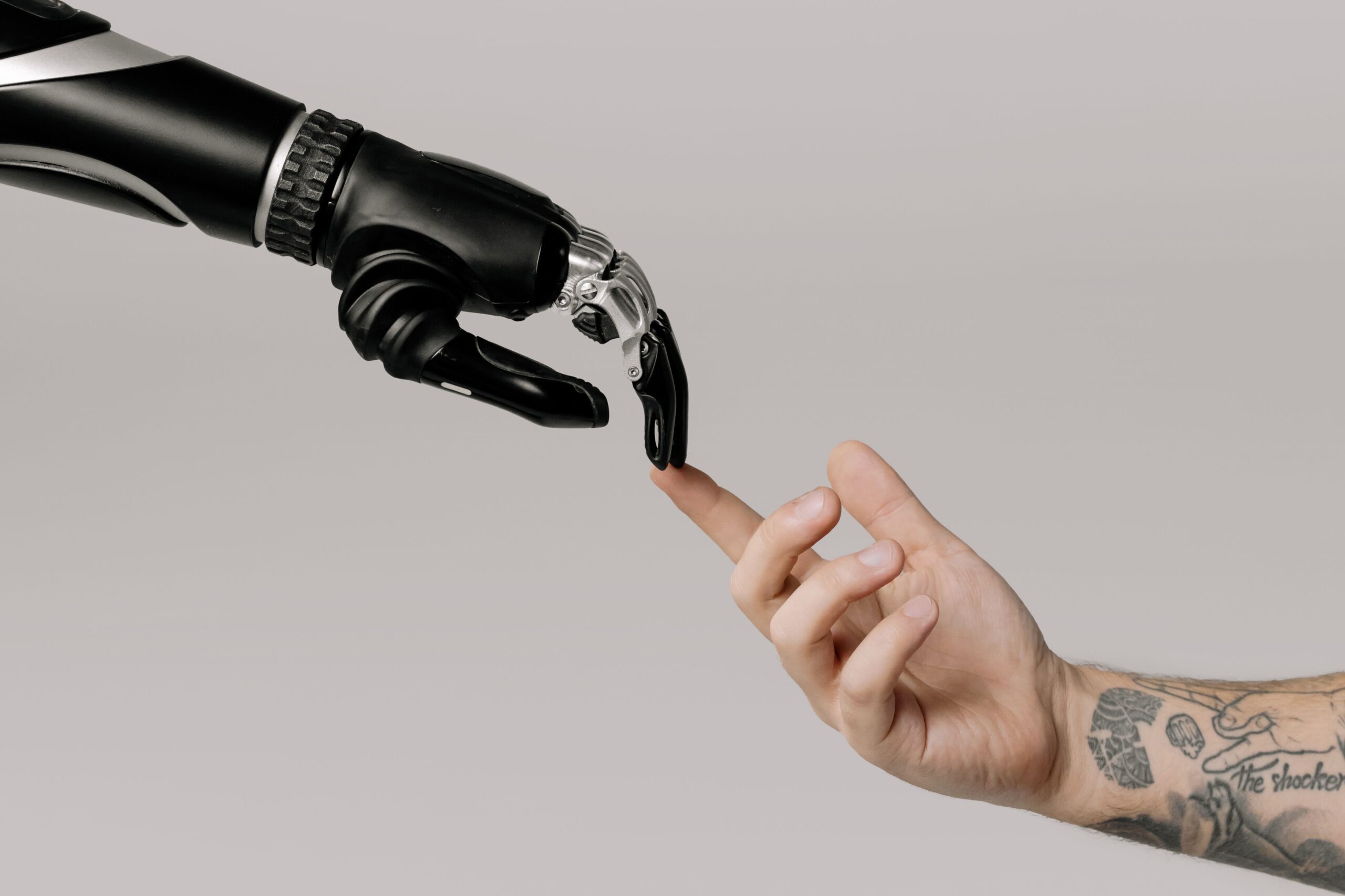
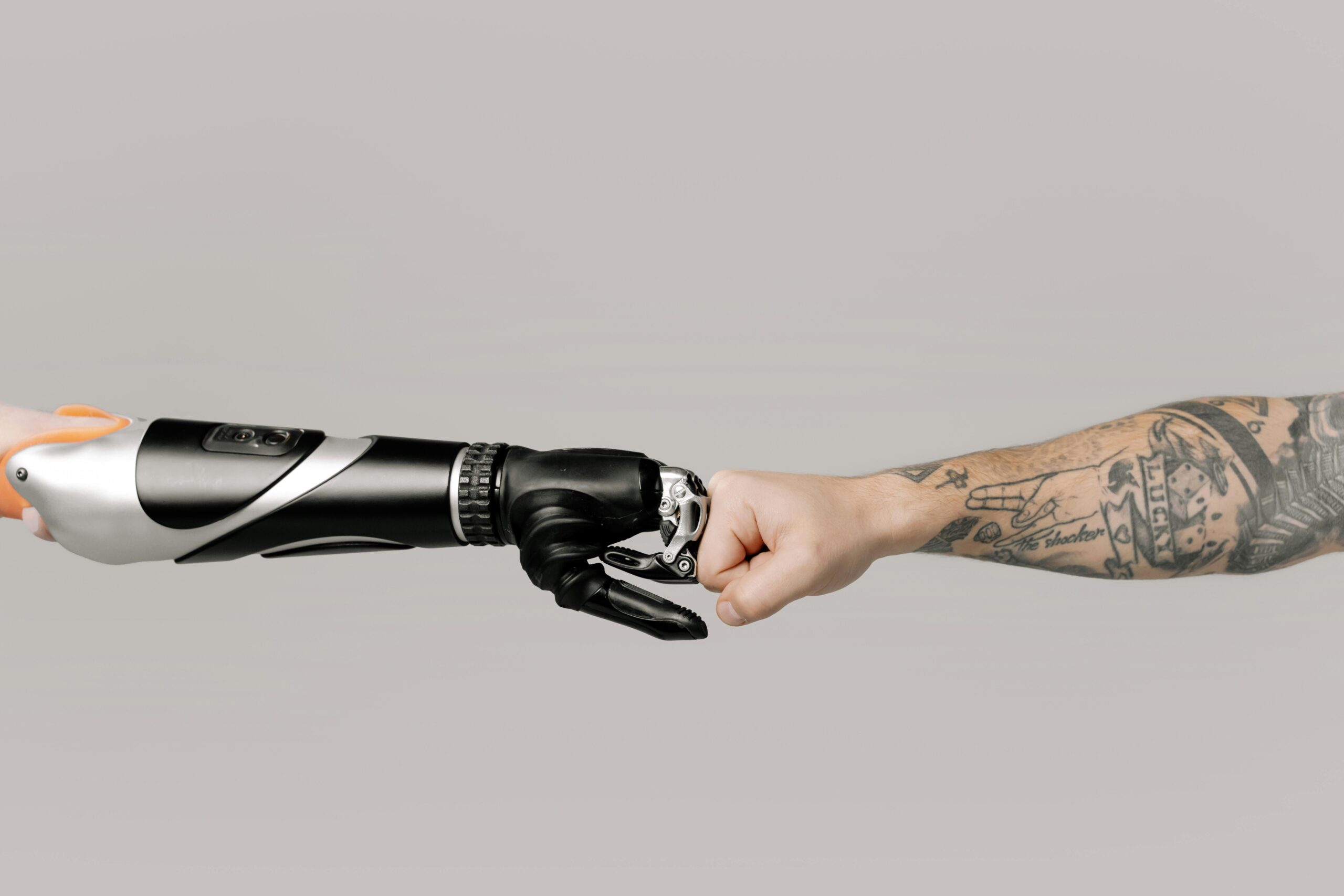
A growing number of marketing leaders are changing AI’s role from an aide or assistant to teams, enhancing human productivity instead of replacing them. Alex Ward, Business Process Automation Consultant at Automate My.Co, emphasizes this distinction, “AI can come in as a productivity tool that can… amplify humans’ own productivity and efficiency, rather than replacing humans.”
This statement highlights how AI works best when paired with human judgment. Modern tools are handling repetitive tasks, freeing teams to focus on strategy, creativity, and decision-making.
The Rise of Scalable, Always-On Marketing Systems
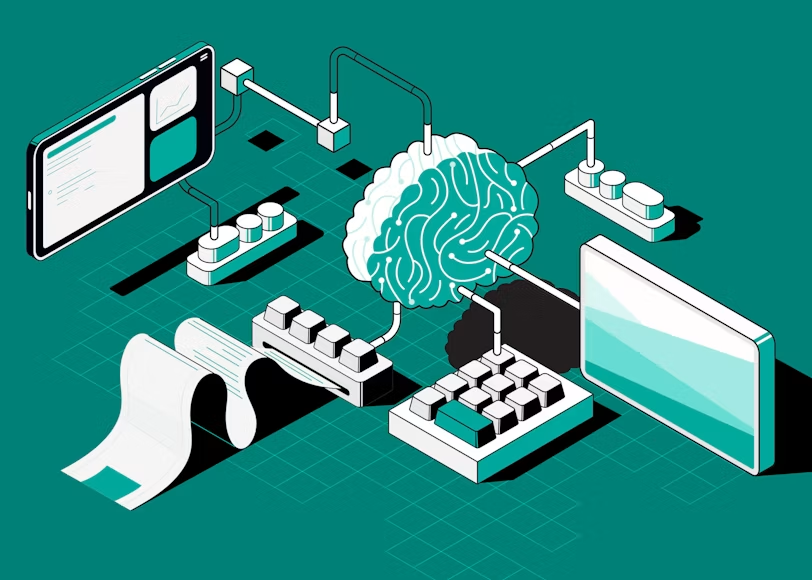
One of AI’s most transformative contributions lies in automation at scale. Small and mid-sized firms are now running continuous marketing operations without investing in large teams. From lead capture to follow-up communication, AI-powered systems are managing end-to-end workflows.
Patricia Rollins, Executive Director of Marketing at Thryv, highlights this shift: “You can actually generate social media ads… respond back to reviews… and it all becomes automated.”
This always-on capability is leveling the playing field for smaller organizations to compete with larger, resource-rich rivals.
From Big Campaigns to Continuous Experimentation
AI is also changing the rhythm of marketing. Traditional strategies centered on a few major campaigns are giving way to constant experimentation. Marketers can now test multiple variations of content, messaging, and targeting in real time.
Tracy Smith, Chief Brand Officer at STM Goods, describes this new environment: “It becomes the Serengeti of content… You can now test into the market and let the winners be the ones that flow through to greater scale.”
Speed as a Competitive Advantage
In this AI-dominated marketing realm, speed has become a defining factor. Brands that can create, deploy, and refine content faster stand a better chance of responding to trends and changing consumer behavior. AI tools help with rapid execution, turning real-time insights into immediate action.
Authenticity and Trust: Where AI Falls Short
Despite its strengths, AI has its limitations in areas that require authenticity and emotional nuance. High-value interactions and creative outputs, such as video storytelling, still demand human insight.
Alex Ward of Automate My.Co explains this balance: “You could use AI to get you 80% of the way… but there still needs to be that human-in-the-loop element.”
His statement reflects the importance of trust and originality in an increasingly automated environment.
The Convergence of SEO and AEO
As search continues to evolve, the focus is shifting toward structured, meaningful, and human-informed content. The convergence of SEO and answer engine optimization (AEO) shows that mass-produced AI content alone is not enough. Quality, relevance, and authenticity are now critical differentiators.
The Future: Strategy Over Tools
The next phase of AI in marketing will not be defined by tool adoption alone. Success will depend on how effectively businesses integrate automation with human insight. The emphasis is moving toward thoughtful implementation rather than sheer volume and speed of AI tools.
Final Thoughts
AI is no longer the advantage; strategy is. Businesses aiming to lead in this evolving market should understand when to automate, when to intervene, and how to maintain a human connection at scale.