
Image credit: Pexels
Why modern workplaces are prioritizing trust, alignment, and sustainable performance over traditional notions of effort.
Work ethic, which people have often associated with discipline and extended working hours, is transforming. The traditional concept of effort as the sole requirement for work performance no longer meets the needs of contemporary workplaces. For organizations globally, high performance extends beyond individual determination to include organizational systems, structural elements, and cultural aspects. Leaders are recognizing work ethic as an environmental outcome that develops in response to workplace conditions.
Work Ethic vs. Work Quality
Work ethic and work quality are emerging as key distinctions. While work ethic reflects consistency, responsibility, and intent, work quality depends on skills, training, and effective management. When these elements fall out of alignment, frustration builds on both sides. Employees may feel undervalued despite their effort, while employers may question outcomes despite visible dedication.
Trust as the Foundation
High-performing organizations are moving away from rigid, “command-and-control” systems toward trust-based models. Employees tend to thrive when given autonomy and respect, with accountability embedded in the culture rather than enforced through constant oversight. Planterra offers one such example, emphasizing culture design as a driver of performance.
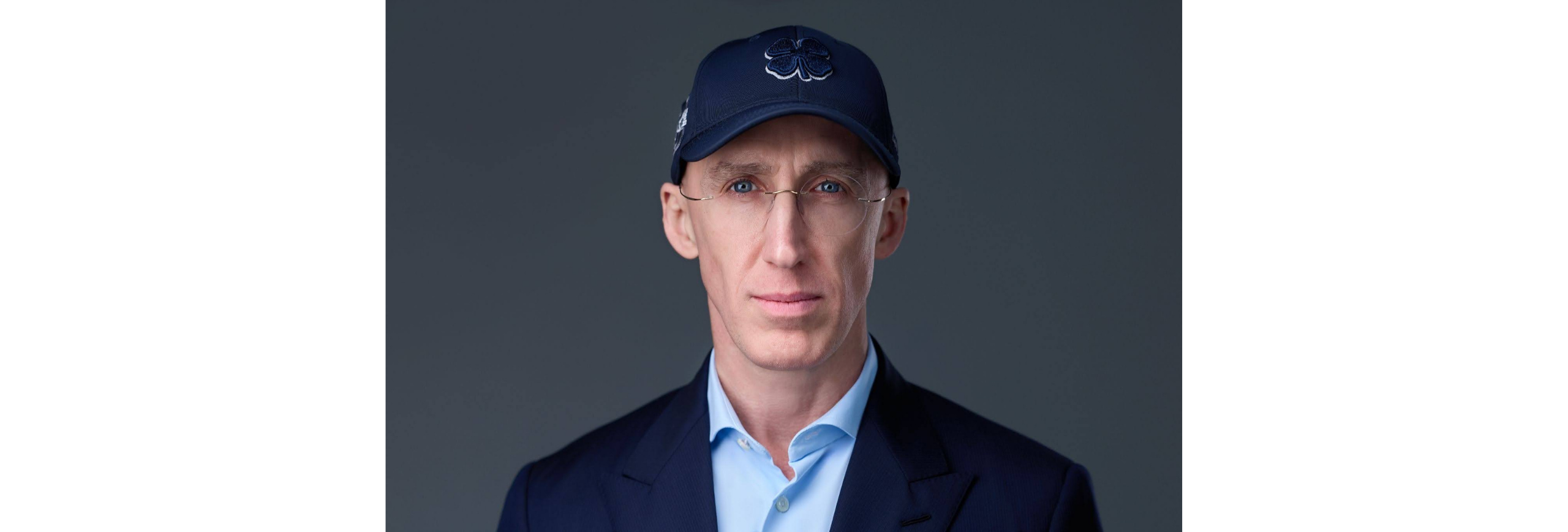
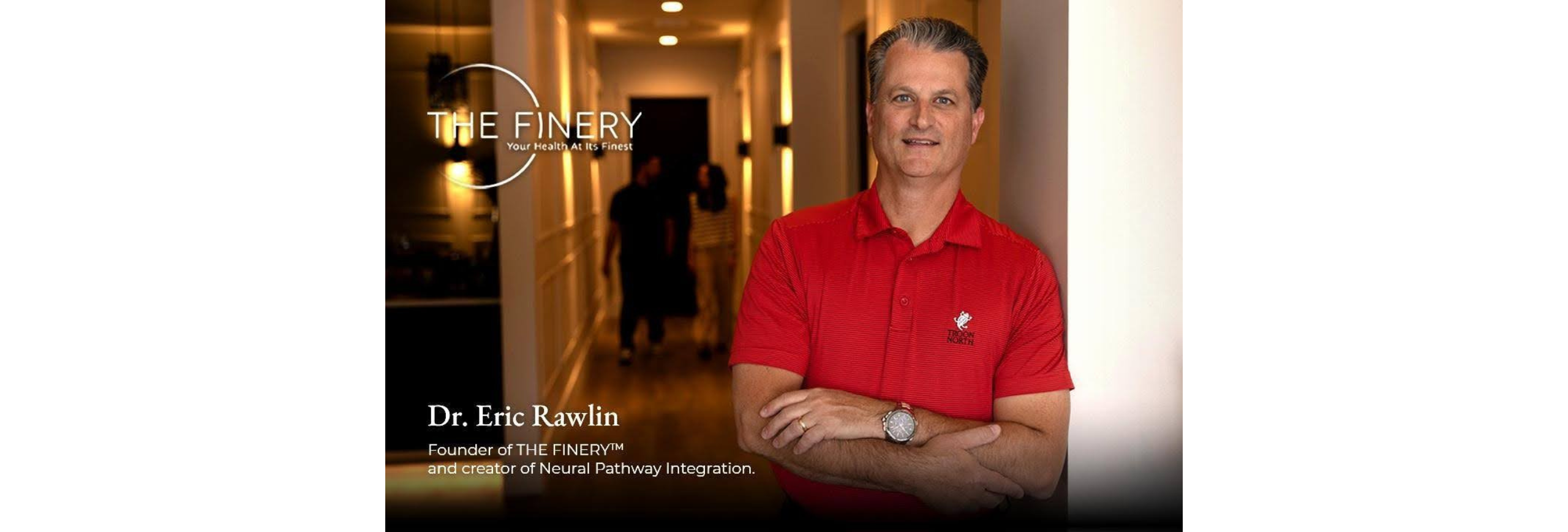
CEO Shane Pliska highlights this approach, stating, “The most important element… is for someone to do the right thing without a direct supervisor looking over their shoulder.”
Supporting practices such as aligning employees with their strengths, fostering respect, and allowing operational “slack” reinforce this philosophy.
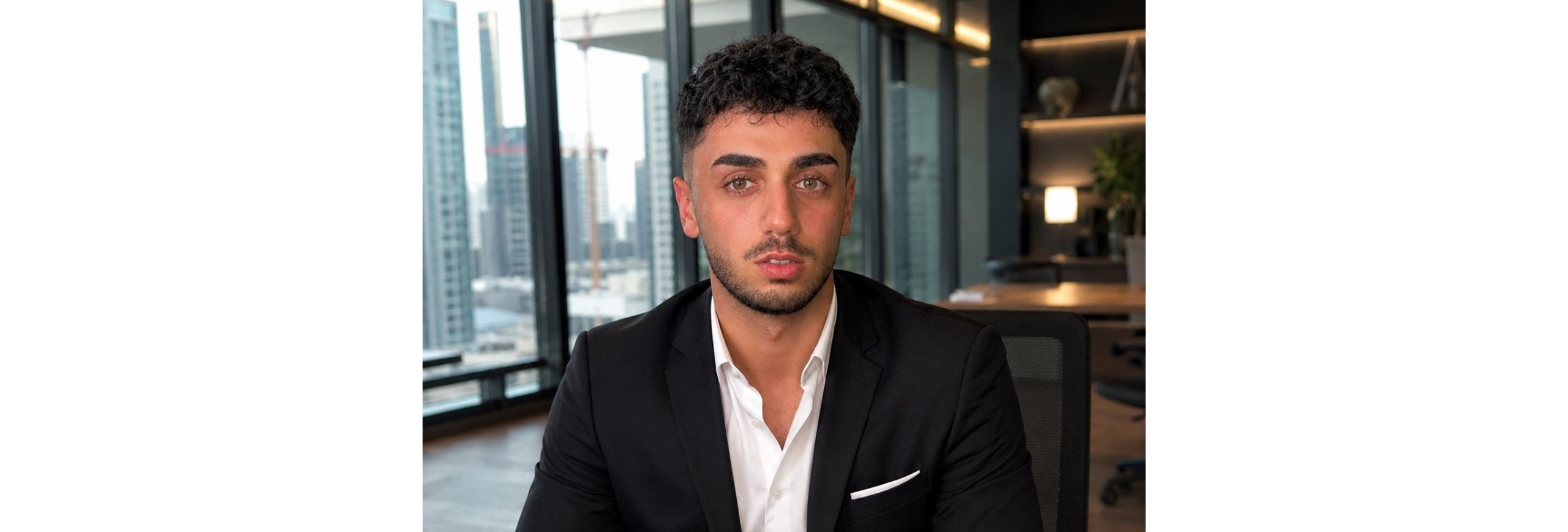
Brad Sugars, Founder of ActionCoach, emphasizes the importance of a good manager in boosting employee productivity. A good manager will need to do more than manage in the beginning, as they are building a person and an idea.
“My philosophy on business is, if you build the people, they build the business,” says Sugars.
Addressing the Engagement Crisis
Poor work ethic is often misinterpreted. In many cases, disengagement, not laziness, is the underlying issue. Employees require purpose, clarity, and a sense of belonging to stay committed. As workplaces evolve, the focus is shifting from managing groups to leading individuals, with a greater emphasis on understanding personal drivers and motivations.
The Power of Clarity and Communication
Misaligned expectations between managers and employees often create inefficiencies. Defining roles, goals, and measurable outcomes can eliminate this confusion. Clear communication not only improves productivity but also reduces workplace frustration by helping employees understand how their efficiency is evaluated.
Burnout and the Myth of Constant Effort
The belief that constant effort equates to a strong work ethic is increasingly being challenged. Chronic overwork often leads to diminished clarity, poor decision-making, and reduced output. Organizations like Coherence Lab are reframing performance by emphasizing presence and recovery.
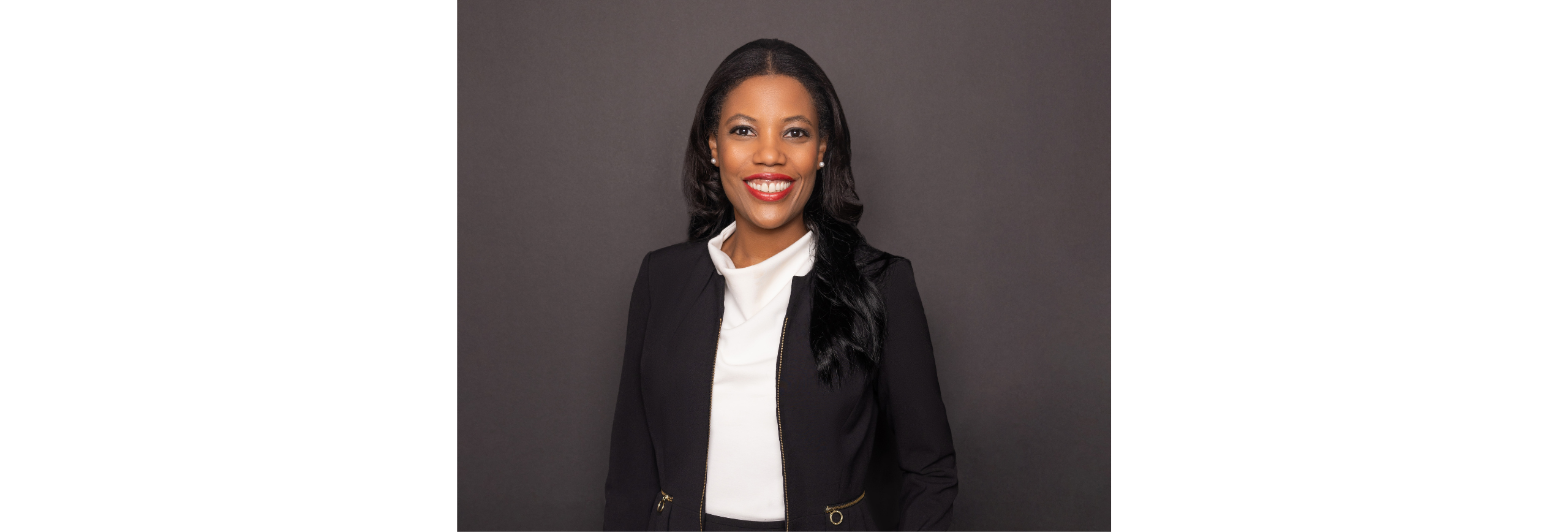
As Kemina Fulwood explains, “It’s about being able to be fully there in whatever you’re doing.”
Aligning Motivation with Meaning
Employee priorities are also changing. Fulfillment and purpose now weigh more than compensation when it comes to driving engagement. A strong work ethic develops when personal goals align with organizational missions. Companies that clearly define their purpose and connect it to individual roles are more likely to foster intrinsic motivation.
The Role of AI and Systems
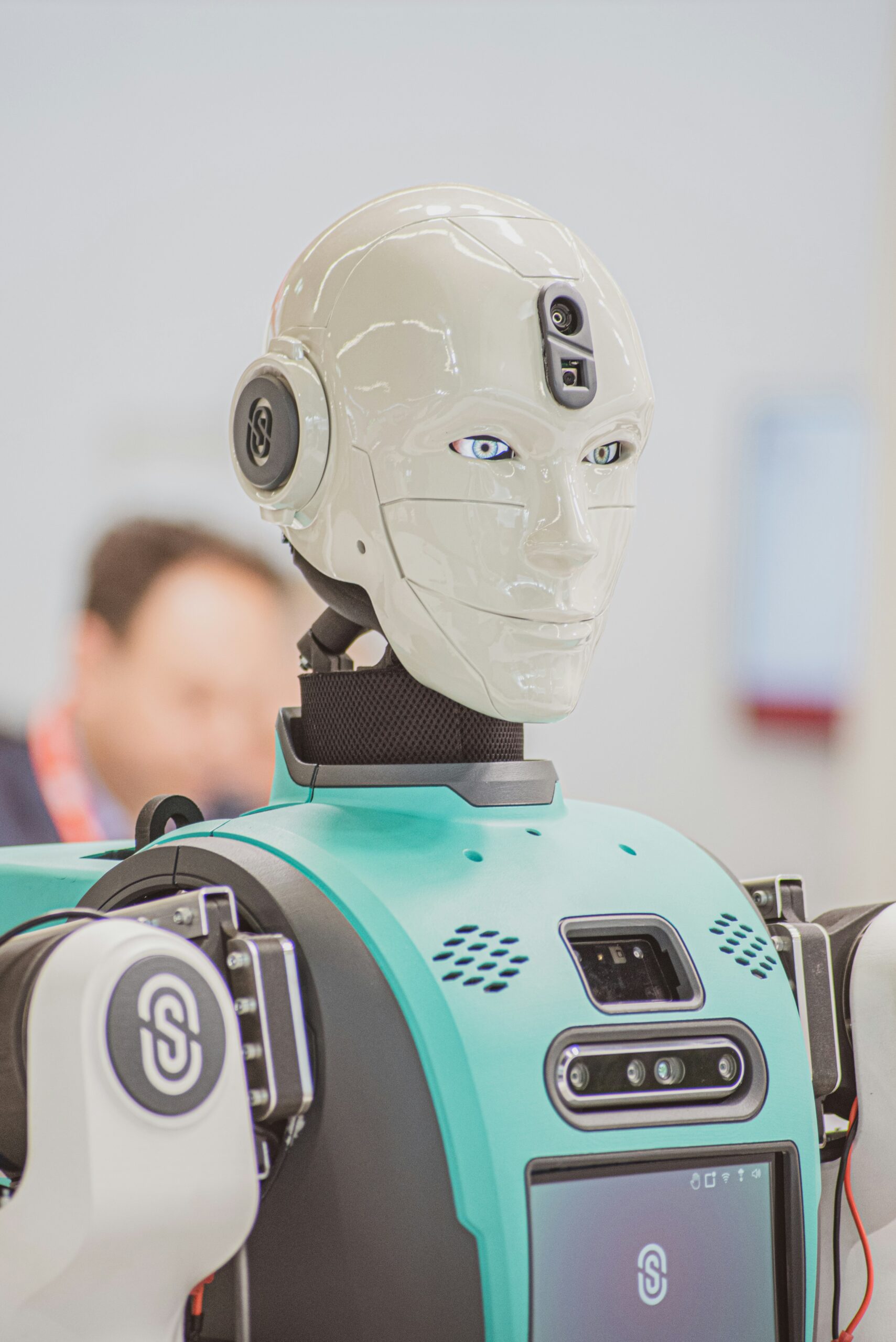
Technology is playing an increasingly important role in sustaining the work ethic. AI systems can enable scalable trust by identifying patterns and detecting anomalies, reducing the need for micromanagement.
They also provide early signals of burnout risks and performance changes, allowing organizations to respond proactively.
Building a Sustainable Culture
Creating a sustainable work ethic culture requires a combination of trust, clarity, and flexibility. Leaders must tailor their approaches to individuals rather than roles, encouraging autonomy while maintaining accountability. This balance ensures that employees remain both empowered and aligned with organizational goals.
Noelle Federico, founder and CEO of Fortunato Partners, Inc., believes that fostering a positive work environment is essential to success.
“I think what’s essential to a good work ethic is employee engagement,” states Federico.
“I think that if you are concerned about engagement from management and employees, you’re naturally concerned with the quality of your relationship to the people that work for you,” she continues.
Final Thoughts
Work ethic is no longer a fixed trait. It is the interplay of environment, leadership, and systems. Organizations that invest in trust, communication, and human-centered leadership are better positioned to achieve stronger outcomes. As workplaces continue to change, designing the environment to help people perform at their best is becoming more important than driving them to work their hardest.