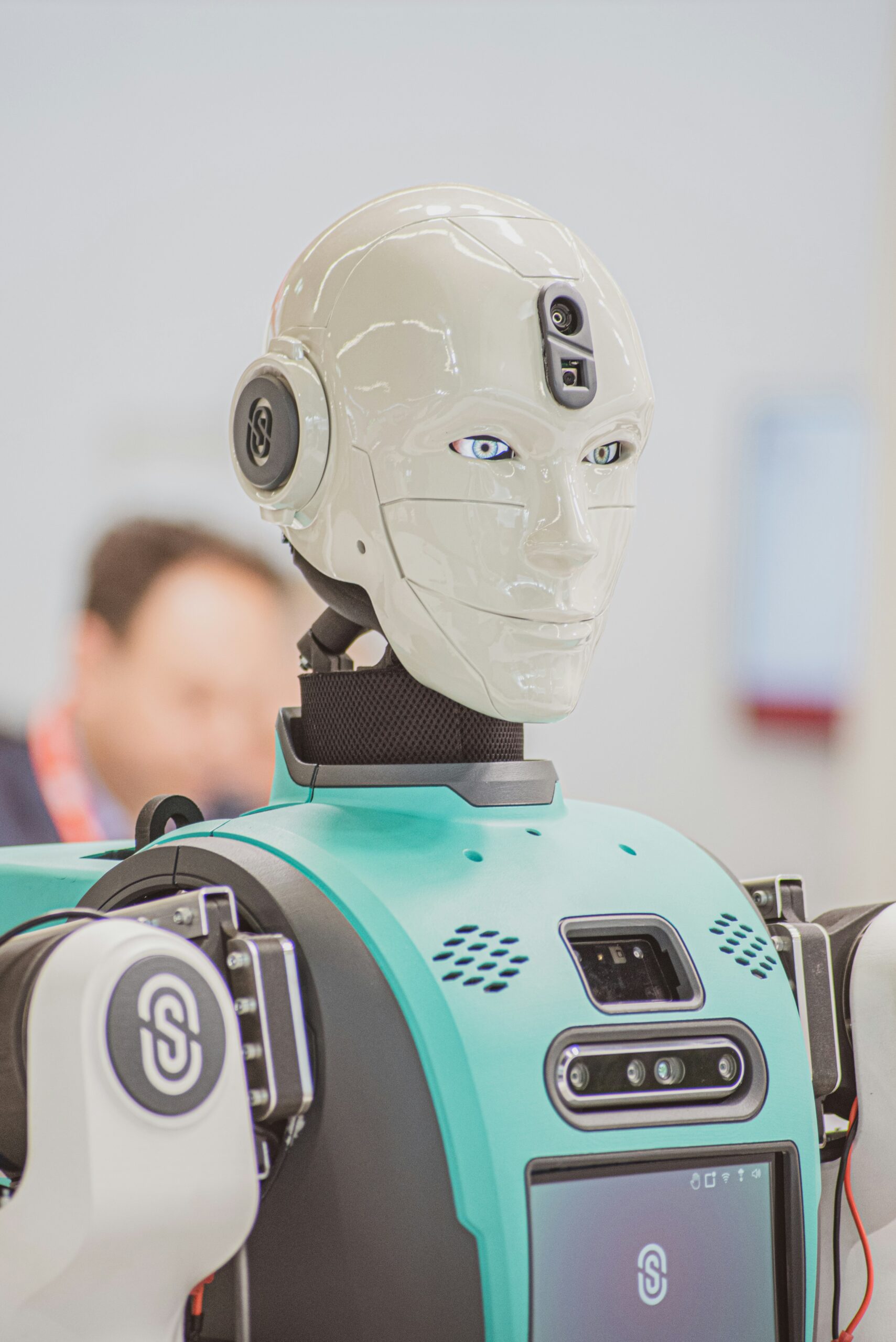

Image credit: Pexels
From AI receptionists to connected support systems, businesses are using artificial intelligence to reduce friction, improve response times, and create smoother customer interactions.
Artificial intelligence has moved from content generation and internal automation to elevating customer experience. Businesses across industries are using AI to improve how consumers receive support, make purchasing decisions, and interact with brands. This rising adoption of AI brings customer convenience to the forefront. Instead of relying entirely on human teams to manage inquiries, scheduling, troubleshooting, and follow-ups, companies are utilizing AI tools to handle repetitive interactions while maintaining around-the-clock response.
Faster Responses Are Changing Customer Expectations
One of the most visible changes is the increased use of AI-powered receptionists and automated support systems to reduce wait times and handle customer inquiries beyond regular business hours.
For many businesses, speed has become essential in preventing missed leads and unresolved support issues. Companies handling large volumes of calls and inquiries are relying on AI to maintain responsiveness.
Dean Regev, owner of Integrity Garage Doors & Gates, works with businesses implementing AI reception systems, said many customers do not realize they are interacting with artificial intelligence during routine conversations.
“I have clients that are on the phone with, we call her Jessica, our AI receptionist. They talk to her for two, three minutes without having any idea they’re talking to AI,” he said. “The customer have no idea. 9 out of 10 have no idea they’re talking to AI,” he added.
The benefits extend beyond standard working hours, particularly for small businesses and service providers.
“But also, after 5 pm, she will take all after hour calls, which is amazing because up until now, I was taking those calls,” Regev noted.
Connected Systems Make AI More Effective
While AI tools are becoming more advanced, industry experts argue that customer experience only improves when businesses connect the systems behind the scenes.
Disconnected customer records, support platforms, and operational systems can create delays and inconsistencies, ultimately frustrating customers.
Jamie Royce believes businesses must first ensure their systems communicate with one another before integrating AI into customer-facing workflows.
“Before you even try to put AI on any line, any operational line, you have to first connect everything.”
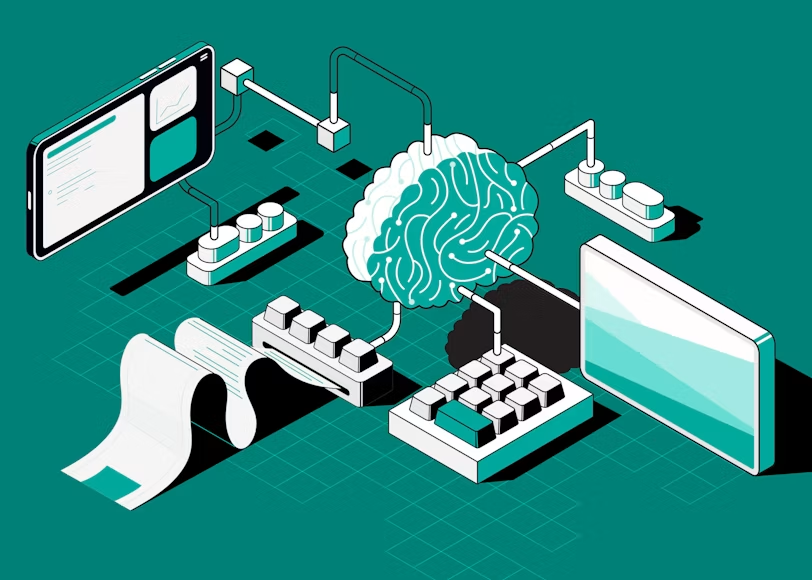
That level of integration allows customer calls, CRM platforms, operational systems, spreadsheets, emails, and support tickets to function as part of a single connected workflow.
“So that call connects to the CRM, connects to the operation system, connects to the spreadsheet, and connects to the email. Whatever the customer needs to interact with the support ticket system, all of that can be fully seamless,” Royce said.
Royce compared disconnected systems to a body unable to function properly.
“If you don’t have everything connected, then your brain’s not going to be able to run your body and walk you down the street.”
AI Is Helping Businesses Prevent Problems Earlier
Businesses are also using AI to identify operational issues before customers experience them directly. Automated systems can detect address errors, inventory shortages, scheduling conflicts, and support-ticket delays before they escalate into complaints.
The focus is not only on faster support, but on reducing operational friction. By automating repetitive checks and continuously monitoring workflows, businesses can minimize human error and improve reliability across customer touchpoints.
Businesses Must Fix Workflows Before Adding AI
Despite the enthusiasm surrounding AI adoption, experts warn that automation alone cannot repair broken processes.
Ankit Pathak, CEO of ConsultAdd, believes businesses often introduce AI without first addressing operational bottlenecks or disconnected workflows.
“So instead of solving the operational problem, they simply automate the chaos,” Pathak said.
According to Pathak, unclear or poorly structured workflows can weaken the effectiveness of even the most advanced AI systems.
“AI is very powerful, but if the underlying workflow is unclear, disconnected, and poorly structured, then the AI just amplifies those weaknesses.”
He also stressed the importance of internal testing before businesses ask customers to rely on AI-driven systems.
“Before asking client to trust the system, we believe we should first trust it enough to use it ourself internally.”
Visualization Tools Are Improving Buying Confidence
Beyond customer support, businesses are using AI-powered visualization tools to help customers make more confident purchasing decisions.
Regev highlighted the function of a garage door visualizer as an example. It allows customers to preview products before buying. Similar tools are now appearing across retail, home services, fashion, interior design, real estate, and e-commerce.
These systems allow customers to explore options independently while reducing uncertainty during the buying process. These tools are also enhancing customer engagement without increasing pressure on sales teams.
“Agentic commerce means the seamless way in which you might want to search and use ChatGPT to find products and compare products, all the way to purchasing products,” says Jamie Royce, CEO and founder of MindCloud, a software company that builds and maintains custom connections between your software and other programs.
Human Role Is Evolving Alongside AI
Despite the popularity of AI tools, businesses continue to rely on human employees for tasks that require judgment, empathy, and relationship-building. Industry leaders view AI as a tool for managing repetitive, predictable work, allowing human teams to focus on more complex customer interactions.
As Royce explained, “Automate everything boring, mundane that you don’t want to deal with.”
This balance between automation and human oversight is defining customer experience strategies for businesses.
Smarter Implementation Determines Success
Businesses integrating AI have realized that technology alone does not automatically improve customer experience. Companies seeing the strongest results are those that first connect their systems, understand operational pain points, and test workflows internally before deploying AI at scale.
Rather than replacing human interaction entirely, many businesses are using AI to support faster service, smoother operations, and better-informed customer decisions.