
Image credit Pexels
As technology is transforming hiring processes, candidates must move beyond polished documents to stand out.
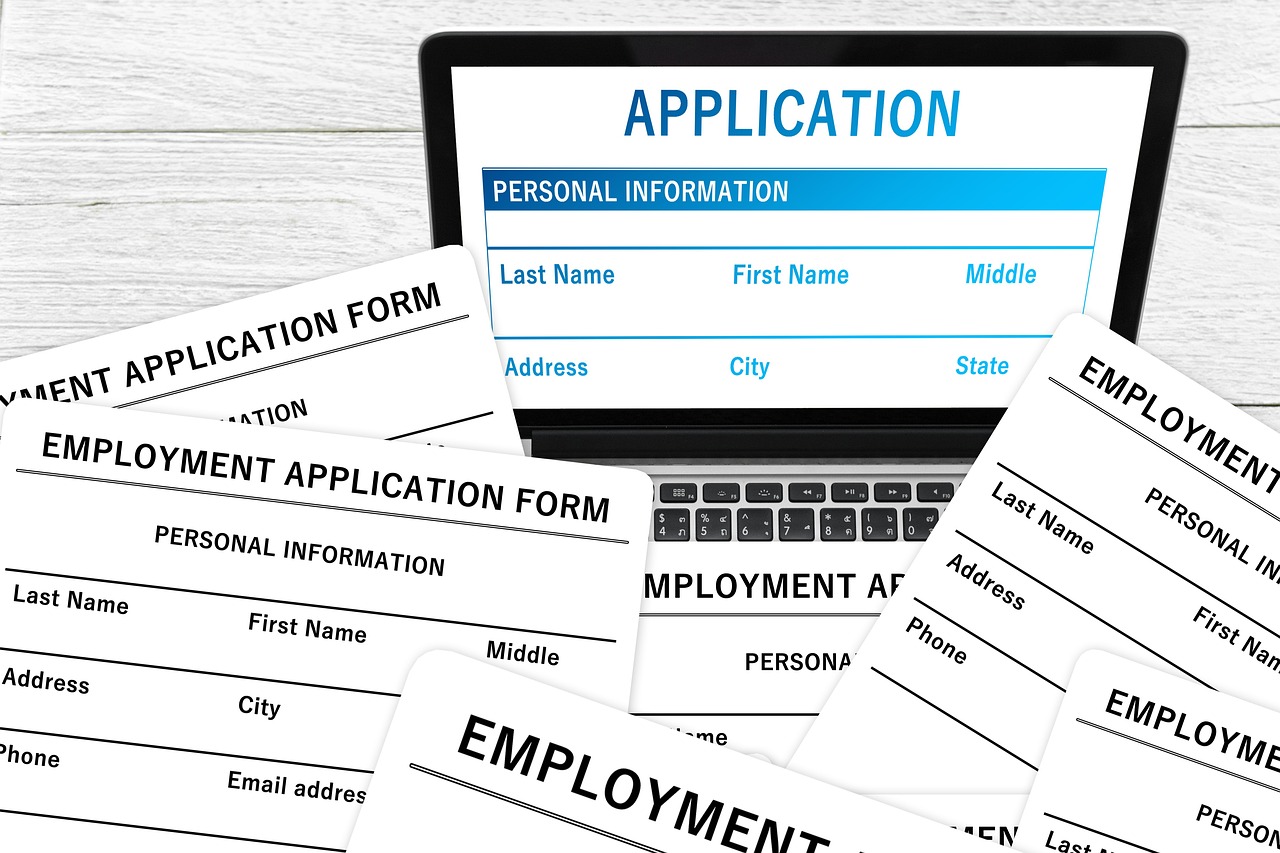
Job seekers today possess better qualifications, as evidenced by their documentation. Candidates present multiple degrees and numerous certifications with their resumes. Yet the majority of applicants feel stuck in the hiring process, as if their applications have disappeared into thin air. The gap between well-designed resumes and actual hiring methods is wider than ever.
This change shows a major shift in hiring dynamics. Success in the modern job market is no longer defined by formatting or keyword optimization. To stand out, candidates must position themselves, communicate their value, and connect with decision-makers.
The Misconception Around Applicant Tracking Systems (ATS)
For years, Applicant Tracking Systems (ATS) have been the gatekeepers blocking candidates from opportunities. In reality, they function more as organizational tools than decision-makers. Many candidates misunderstand the purpose of these systems, often over-optimizing resumes with keywords, compromising clarity.
According to SJG Talent, a more grounded approach is required.
Sara Guizzo, Founder of SJG Talent, explains: “I think the big thing about the resume is to be able to tell your story… and have it backed up with what you’ve done: your ‘receipts,’ your metrics, your impact.”
The Problem With AI-Generated Applications
Candidates are using AI tools to produce resumes and cover letters at scale. However, this convenience comes with a cost. Recruiters can now differentiate between generic and AI-generated content within seconds.
A career service provider platform, Resume Polished, believes that authenticity has become a critical factor in the hiring market.
Elizabeth Harders, Career Coach & Resume Writer, says: “A lot of them have told me that if a resume is written by AI or ChatGPT, they can pick it out immediately.”
What Actually Makes a Resume Stand Out
In a job market flooded with applications, clarity and relevance have become essential. Strong resumes prioritize measurable impact over task-based descriptions. Instead of listing responsibilities, candidates should highlight outcomes, such as their achievements and the impact they have had.
Concise is also a key factor. When resumes are overloaded with information, their impact is diluted, whereas tailored content aligned with a specific role enhances readability. The most effective resume combines storytelling with metrics, offering both narrative and evidence.
Tailoring vs. Volume: A Smarter Application Strategy
Earlier, mass applying was considered a numbers game, but now it has been proven ineffective. Sending hundreds of applications with minor tweaks rarely yields meaningful results. The focus has shifted to a few strong resumes tailored to specific roles or industries.
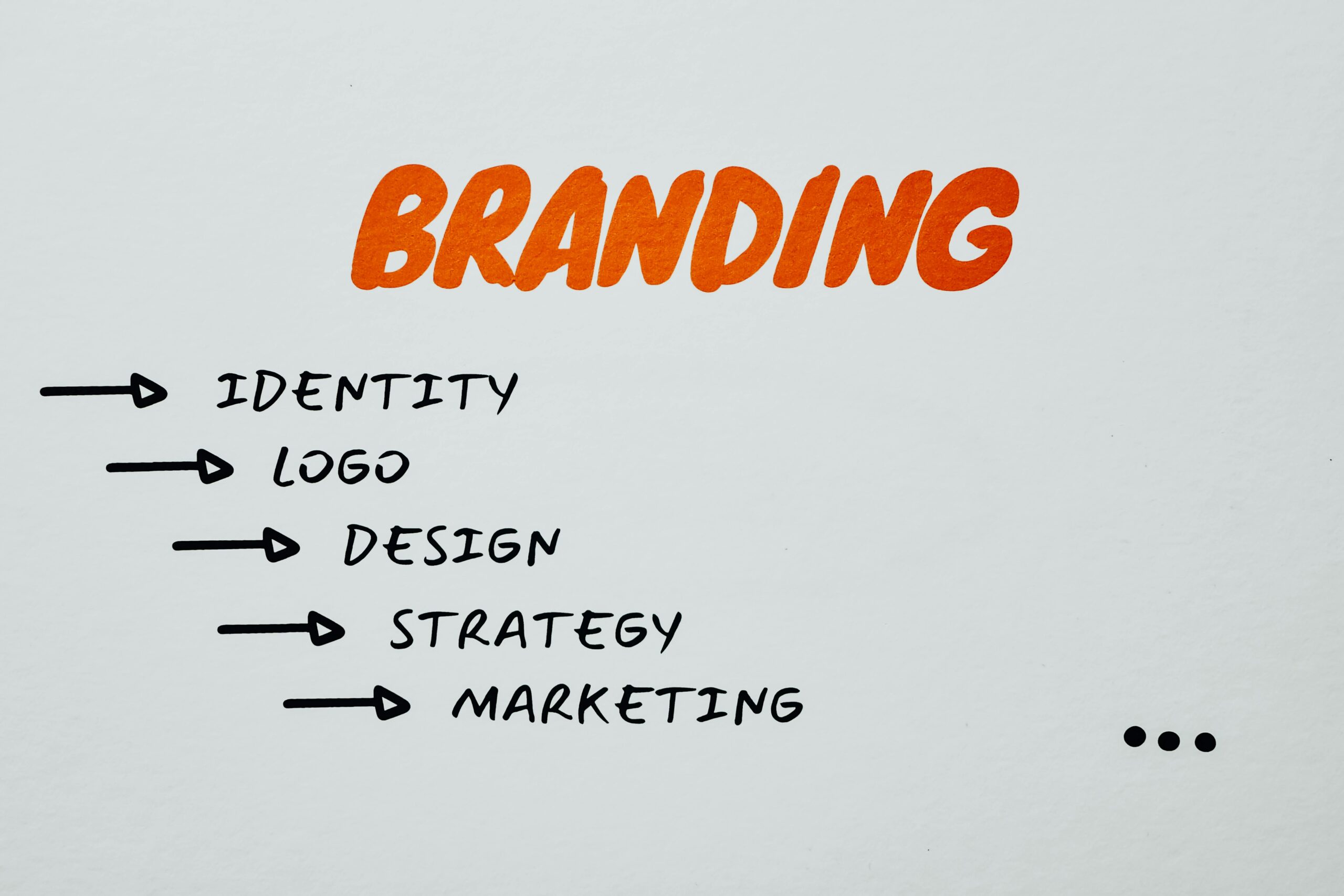
Perceptions of cover letters have also changed. They are relevant only when genuinely customized; they risk becoming redundant. The resume itself should be viewed as one component of a personal brand that reflects a candidate’s online presence and professional narrative.
Networking as the Real Differentiator
Despite technological advancements, the hiring process still relies on human judgment. Relationships, referrals, and conversations often determine outcomes more than perfect resumes.
Career Beginnings LLC emphasizes this shift toward proactive engagement.
Jessica Roffe, Founder of Career Beginnings LLC, notes: “You need to just get your name out there rather than just applying and waiting. That does not work anymore.”
The Emotional Reality of Job Searching
Job searching today often feels isolating and discouraging, particularly when efforts go unanswered. Candidates often struggle with uncertainty, questioning their qualifications despite strong credentials. In this scenario, resilience becomes essential. Community support, peer networks, and shared experiences help mitigate the emotional toll. Modern job searches demand persistence and adaptability beyond any single document.
Final Thoughts: From Documents to Strategy
The resume remains important in job searches, but its role has evolved. More than a standalone tool for securing opportunities, it functions as a strategic approach to career advancement.
Success in today’s hiring environment comes from blending clear storytelling, measurable impact, meaningful connections, and intentional applications. Candidates who embrace this change are better positioned to stand out in a saturated job market.