
Image credit: Pexels
How modern technological tools are being implemented to help, rather than hinder, modern learning.
The sheer number and ways societal interactions around education have shifted over the past several years can make them difficult to articulate, let alone fully discuss. As education has transformed through the introduction and popularization of technological tools and media-based platforms, it has become increasingly challenging for educators to make learning accessible, engaging, and effective for a wider range of students.
This has contributed to rising dropout rates and categorically disengaged learners. Pair this with the rapidly evolving job market, and it becomes clear to some that the educational field is in danger of becoming even more outdated. To address these challenges, educators have begun pushing institutions to rethink their models. From virtual reality labs to game-based curricula and flexible online programs, education leaders are designing systems that work with students’ lives, rather than working against them.
VR in Learning
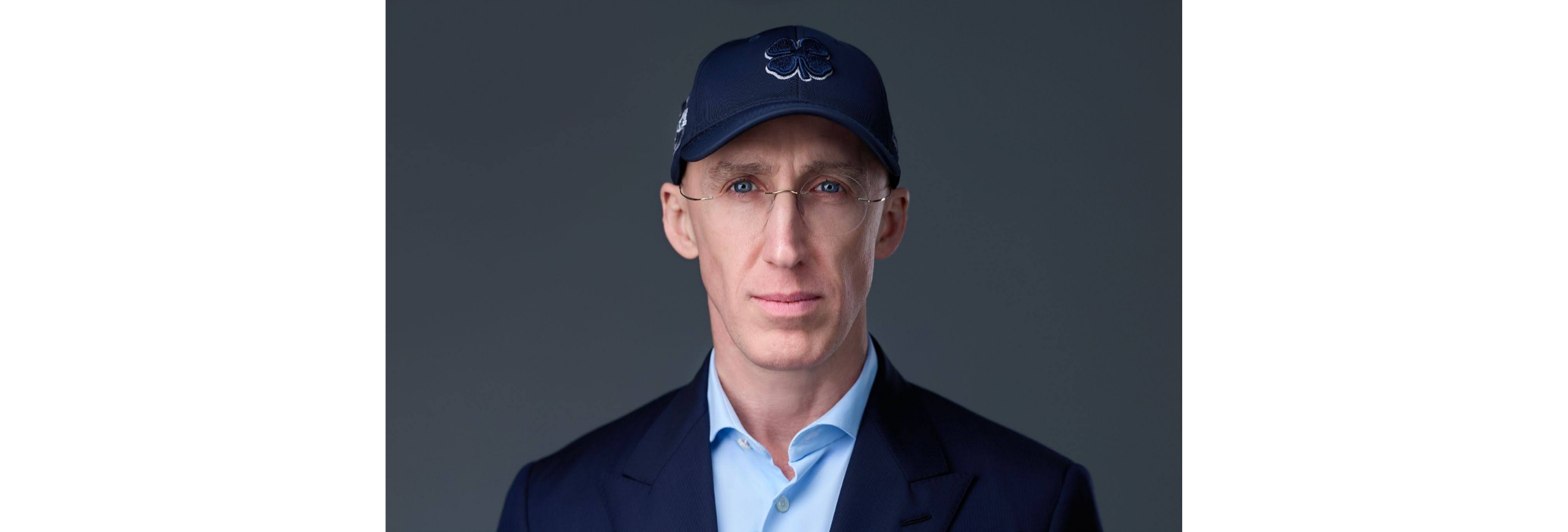
For decades, a discourse has raged over the pros and cons of video games and their impact on young minds. But Innovae, led by Head of American Market Martin Vrignaud, proposes that this medium could become a viable educational tool, especially with virtual reality (VR).
“VR allows students to practice as if it were real in an environment that they know because they know the technology. And so it’s like this double aspect for students that creates more engagement and makes them want to learn more.”
Vrignaud sees VR as bridging the “practice gap” in career and technical education by allowing students to safely practice high-risk procedures, build hands-on skills with real-world equipment, and enter the workforce better prepared, all without costly physical infrastructure.
As an example, he says, “Students, when they are looking for jobs, they say, ‘Oh, yeah, I know your processes, because I used to use it.’ No other students can say that to a job interview, because schools don’t have one turbine; they don’t have the latest Hyundai model. But the students that use our VR simulation, they do.”
However, Vrignaud is adamant that VR tools should not replace traditional educators.
“VR is not meant to replace teachers completely. Its main objective is to complement and give more opportunities to students and schools. But teachers are so important; we can’t replace you with just one simulator. It’s impossible.”
Adaptability With Education and Careers
In the past, students struggled to balance their schoolwork with their personal lives, from their jobs to extracurricular activities and beyond. But the U.S. Career Institute is flipping the traditional education model by building programs around students’ real lives.
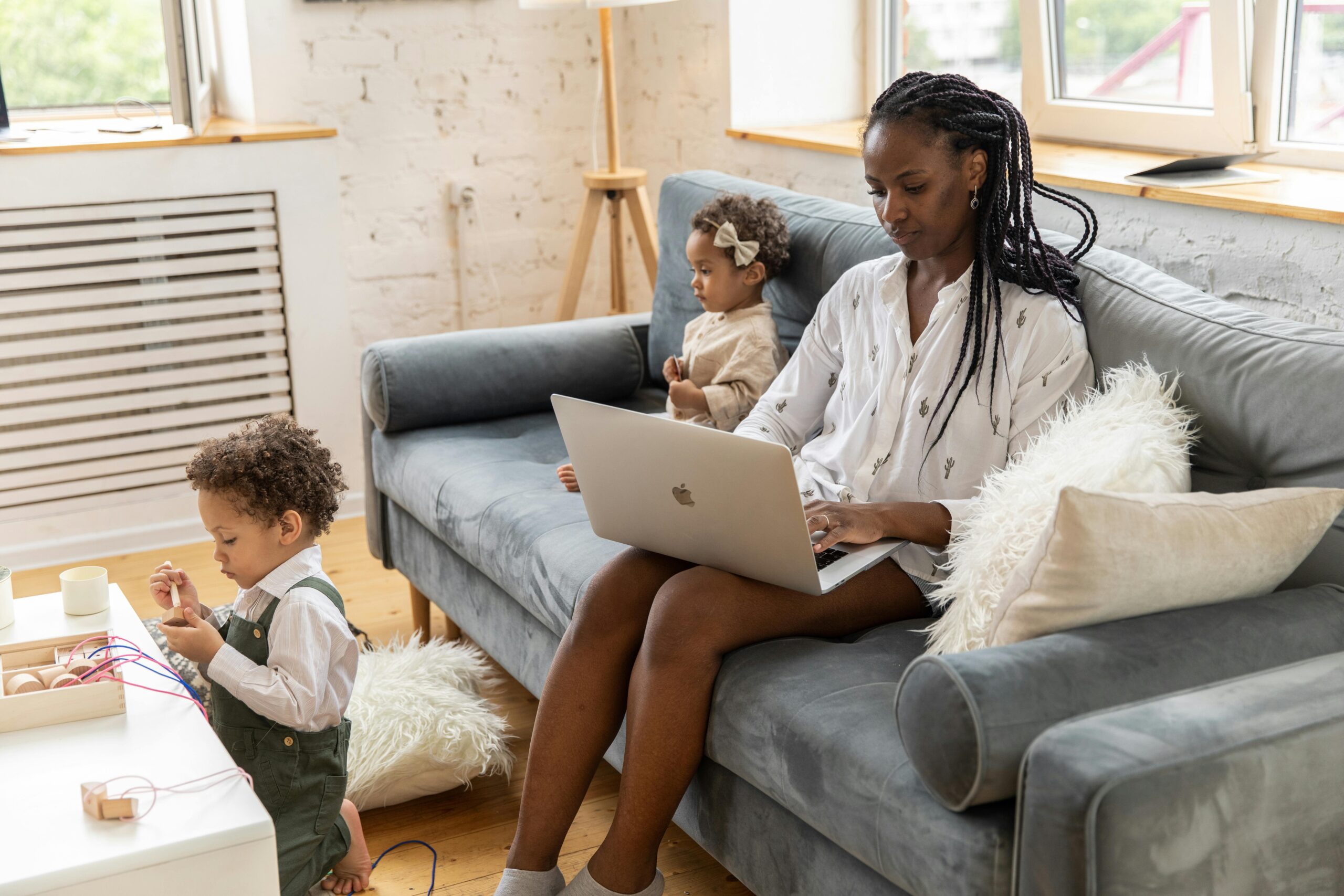
Jennifer Manns, the VP of Student Success and Operations, details, “Sometimes the barrier to education isn’t academic. It’s everything else that’s happening around the student. It might be caregiving responsibilities, whether that’s kids or parents. It could be financial obligations, career transitions. And so the educational model has to recognize those realities and meet students where they’re at.”
By accommodating work schedules, family responsibilities, and financial barriers, the Career Institute aims to keep students more palpably connected to the personal “why” behind their education.
Manns adds, “Instead of asking why they’re not doing the work, we need to ask what changed in their life that is causing this stoppage point, and then is there something that we can do as an institution to help counteract that. A setback doesn’t necessarily have to become a stopping point for students.”
To further bolster these efforts, Manns says the U.S. Career Institute is using modern tools and technology to help students more effectively.
“Student support definitely needs to be proactive. We need to use the data and the research that we have available and understand who the student body that we’re actually serving, based on the information that they’re providing to us… It’s looking at the data points, the feedback on surveys, the information that students are giving us to make better-informed decisions and move the levers to help with the success.”
Embracing Modern Media
The media students today are exposed to is vastly different from what students decades ago engaged with. Whether beneficial or not, young people today are exposed to social media platforms and fast-paced online videos that shape different expectations and default attention spans.
K12 is exploring the beneficial possibilities of incorporating these facets of modern life into education, rather than resisting them.
Niyoka McCoy, Chief Learning Officer of K12, says, “One of the things that we’ve been focused on for the past three to four years is connecting learning and play. We want students to be playing, but also learning. We make sure that we’re responding to the learner: kids can find a ton of things interesting and then never learn anything. I want them to leave the game with some type of skill, something they’ve mastered.”
K12 merges rigorous academic standards with “edutainment,” training teachers to become engaging on-screen “edutainers,” using game-based tools like Minecraft Education, and deploying adaptive systems that personalize learning for 70+ schools.
McCoy further details that, “If you’re struggling with fractions, our system will recommend a video or a game for you to play. We created a game called Math B; it’s more like a Candy Crush game, but it’s built on fractions. That game will be served up to you, and then you come back and reassess. Because we can do that systematically, it allows us to be more personalized across a larger scale.”
This is not to say that K12 uses such measures for every lesson, but rather that these edutainment methods are tools to use precisely and effectively.
McCoy surmises, “While you don’t have to do that for every lesson, I think you can figure out what the big lessons are; you think about those power standards that you have to cover for state testing. How do you turn those into fun experiences? If those are the skills that students need to master, how do you make that more engaging?”
Modernizing Online Education
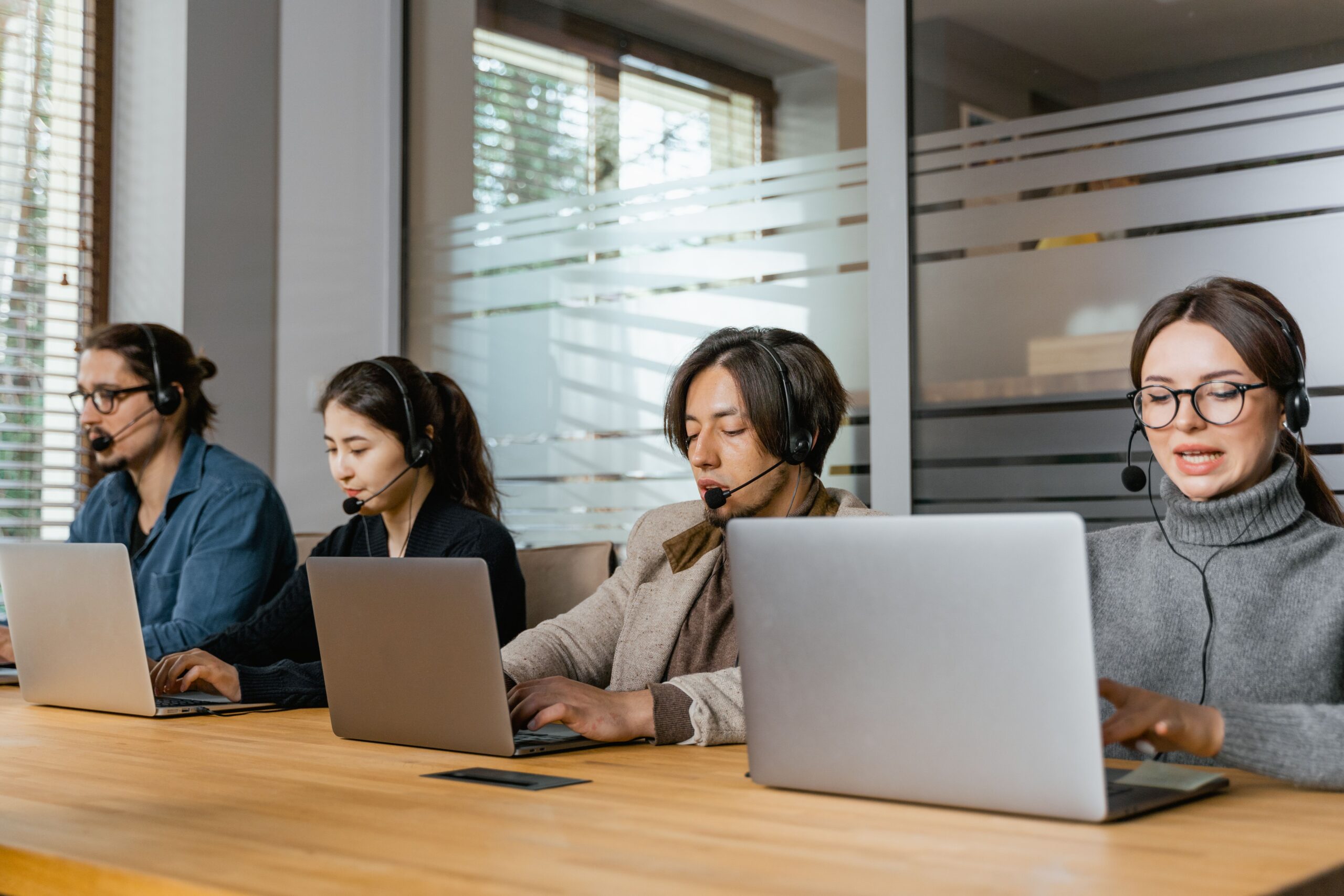
Online university programs have long been an incredibly useful resource for accessibility for students who might not otherwise be able to attend in person. However, strict rules for some of these online courses have still created issues that Dani Babb, founder of Babb Education, feels are unnecessary.
“Making students log in right after work, 6 o’clock Eastern time, and participate for an hour and a half or 45 minutes is incredibly restrictive for work-life balance. It’s also restrictive for anyone with off-schedule jobs. I have had students drop courses when they find out that an assignment is a synchronous session.”
Babb Education is exploring new ways to both meet and challenge students, striving to keep courses engaging while ensuring they are educational and beneficial in the long term, and illustrating each course’s relevance to the student’s larger ambitions.
Dani describes, “We want them to pick something that will actually help them in the workforce. We see across the board student satisfaction rates go up; student prolific writing, rather than a lot of late assignments, we see students want to engage. Students are now asking if they can make a presentation about their topic because they so badly want to share it with their peers.”
As such, Babb Education modernizes university online programs by eliminating synchronous barriers, designing authentic assessments tied to career goals, and deploying branching simulations that build critical thinking in ways AI can’t replicate.
“It’s a little more AI-proof, because one way we can assess it is we can have students record themselves talking through the simulation and upload that, rather than just write an assignment, which half the time is ChatGPT or Gemini. And we can do it for several hundred dollars per simulation.”
Final Thoughts
The leaders reshaping education share a foundational shift in perspective: they start with the student, not the system. By designing for real lives, real barriers, and real outcomes, rather than institutional convenience, they’re not just expanding access; they’re changing what it means to succeed in school.
As more institutions adopt flexible, student-centered models, the question is no longer whether learning can reach more students, but how quickly that standard becomes the norm.